

Overhaul of the Cummins QSB 4.5 Engine in Case 1150L Crawler Dozers
Case 1150L is a crawler dozer designed for heavy earthmoving work, where high availability and stable operation under load are required from the powertrain. In this type of machine, the diesel engine operates under changing conditions, often at high load and for many hours without interruption. The power unit must provide adequate power not only during travel, but also while operating the working equipment and performing demanding work with the blade.
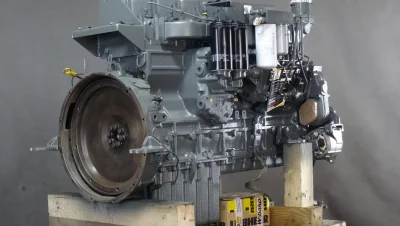
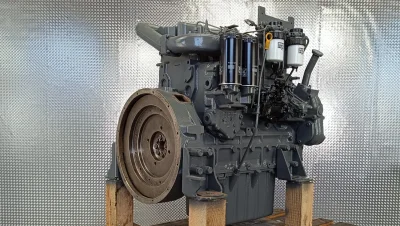
In this case, the subject of the work was a Cummins QSB 4.5 engine installed in Case 1150L crawler dozers. Engines from the Cummins QSB family are used in many work machines where durability, torque and the ability to operate under high loads are important. With increasing operating time, even such a power unit is subject to natural wear of the components of the crank-piston system, cylinder head and other components.
In this case, the reason for sending the engine for overhaul was natural wear of the power unit associated with high operating mileage. A gradual loss of performance, increased oil consumption and deterioration of the engine's operating characteristics indicated the need for detailed diagnostics. Before the engine was removed, basic checks were carried out to determine its condition and confirm whether the observed symptoms were actually related to wear of internal components.
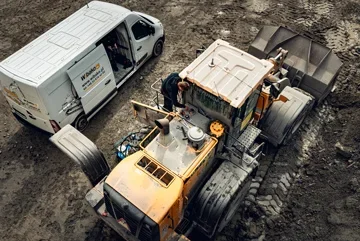
The work on the Case 1150L was carried out using our workshop facilities in Kojszówka. When required, WIBAKO mobile service also performs engine removal and installation directly at the customer's site. This makes it possible to limit the scope of work carried out on site and transport the engine itself to the workshop, where it can be thoroughly dismantled, verified and rebuilt.
Diagnostics of the Cummins QSB 4.5 Engine Before Removal
Before starting the removal process, it is necessary to determine the type of problem affecting the engine. Information about a loss of power or increased oil consumption alone is not sufficient to clearly identify the component responsible for incorrect engine operation. Therefore, the diagnostics began with observation of the basic operating parameters of the Cummins QSB 4.5.
Our mechanics checked the engine's starting behavior and its operation after reaching operating temperature. Attention was paid to the starting process, idle stability, operating characteristics and engine behavior when the load was increased. The exhaust and intake systems were also inspected, together with a check for possible leaks.
In the case of an engine whose overhaul is caused by high operating wear, diagnostics also includes comparison of the available operating parameters with the expected values for a properly functioning unit. Parameters related to oil pressure and the condition of the turbocharging system are checked. If the symptoms indicate wear of the crank-piston system, further verification requires dismantling the engine and carrying out detailed measurements of individual components.
It is important not to limit diagnostics to a single component. A diesel engine is a system of interconnected components, so a loss of performance may be related to mechanical wear as well as a problem with the cylinder head, fuel system, turbocharging system or accessories. Only comprehensive verification makes it possible to determine the actual scope of the overhaul.
Removal of the Cummins QSB 4.5 Engine from the Case 1150L Dozer
After confirming the need for an overhaul, preparations were made to remove the engine from the machine. Engine removal is carried out by our mechanics, while the lifting equipment used to remove the engine is provided by the customer. This solution allows the heavy power unit to be safely removed from the engine compartment.
Before disconnecting the power unit, all components that could be damaged during removal were secured. First, the electrical connections and accessories were disconnected, followed by the lines associated with the cooling system, fuel system and air intake. Particular attention was paid to properly securing the lines and connections to prevent accidental damage or contamination during further work.
The next stage was to disconnect the engine mounting components. The connections between the power unit and the remaining machine components were also checked. Once all mounting points had been prepared, the engine was suspended using the lifting equipment provided by the customer and carefully removed from the engine compartment.
During removal, it is important to maintain the correct sequence of operations. In addition to removing the engine itself, the machine must be prepared for subsequent reinstallation. Individual components and lines are secured so that all connections can be correctly restored after the overhaul. After removal, the Cummins QSB 4.5 engine was transported to our facility in Kojszówka, where detailed workshop verification began.
Workshop Verification of the Cummins QSB 4.5 Engine
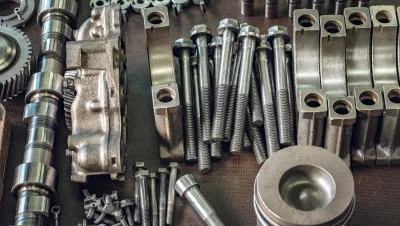
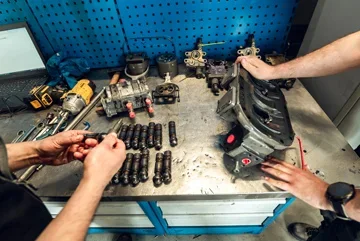
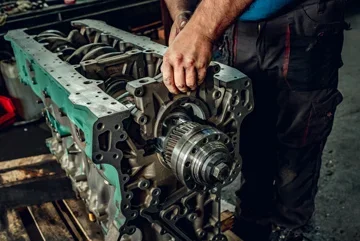
After delivery to the workshop, the engine was dismantled. In the case of an engine showing signs of operating wear, replacing only a few visible components is not sufficient. The engine is dismantled into individual components, which are then thoroughly cleaned and inspected.
The verification process determines which components can be reused and which require regeneration or replacement. Each component is assessed for wear, mechanical damage and dimensional conformity. Particular attention was paid to the crank-piston system, as wear of these components is one of the main consequences of long-term engine operation.
The crankshaft was also inspected. Verification includes a visual inspection of the surfaces, checking for signs of overheating or wear, measurement of crankshaft runout, measurement of the journals and inspection of the oil passages. The connecting rods are also checked for wear, cracks, signs of overheating, twisting and longitudinal bending, as well as their weight and the condition of the bolts.
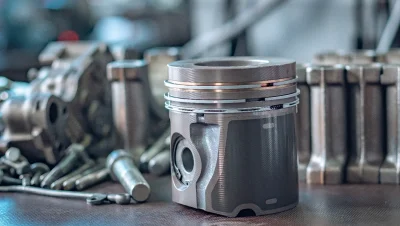
The condition of the pistons, piston rings, cylinder liners and bearings was assessed at the same time. Measurements of the individual components determine whether they can continue to be used or whether replacement is necessary. When an engine is intended for a comprehensive overhaul, maintaining the correct tolerances and matching new components to the actual condition of the remaining parts is essential.
Inspection and Regeneration of the Engine Cylinder Head
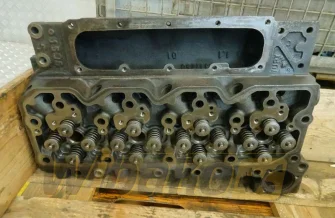
Another important stage was the inspection of the Cummins QSB 4.5 cylinder head. The cylinder head was thoroughly inspected to determine whether it could be reused. The condition of the valve seats, guides and valves was checked, as well as the overall tightness of the component.
One of the cylinder head inspection procedures is a leak test. The cylinder head is immersed in heated water and compressed air is then supplied to the appropriate passages. Observation makes it possible to identify areas where air may escape and determine whether the component has cracks or other leaks.
The scope of cylinder head regeneration depends on its actual condition. The work may include cylinder head resurfacing, replacement of valve guides and replacement of valves. All operations are preceded by verification, because the purpose of the overhaul is to restore the correct operating parameters of the entire assembly rather than simply replace randomly selected parts.
Repair of the Cummins QSB 4.5 Crank-Piston System
The most important part of an overhaul of an engine with a high degree of wear is the rebuilding of the crank-piston system. In the case of the Cummins QSB 4.5, the scope of work includes inspection of the crankshaft, connecting rods, pistons, piston rings, cylinder liners and bearings.
The crankshaft is measured to determine the actual degree of journal wear. If the measurement results indicate that regeneration is necessary, the crankshaft may be ground. Before reuse, the oil passages and the condition of the working surfaces are also checked.
The connecting rods are inspected for wear and possible deformation. The connecting rod bolts are also checked. Pistons and piston rings are assessed for wear of their working surfaces and their interaction with the cylinder liners. If the specified parameters are exceeded, the relevant components are replaced.
New bearings and other components of the crank-piston system are selected according to the measurement results. This makes it possible to correctly restore the geometry of the assembly and ensure appropriate lubrication conditions during subsequent operation.
Fuel System and Engine Accessories
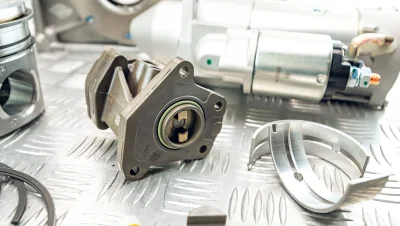
A comprehensive engine overhaul does not end with the block and cylinder head. The accessories that directly affect the operation of the power unit are also inspected. Depending on their technical condition, the fuel system components, turbocharger, starter motor, alternator and other mechanical and electromechanical components are checked.
In the case of fuel system components, particular importance is placed on the correct preparation of the components responsible for delivering fuel to the cylinders. If diagnostics indicate the need for a more detailed inspection of the injection pump, it can be tested on a test bench. This makes it possible to verify its operation outside the engine.
The turbocharger is also inspected. Among other things, axial and radial play is checked. The turbocharger has a significant influence on the amount of air supplied to the engine, so its condition cannot be overlooked when overhauling a power unit intended to operate under demanding conditions.
Assembly and Professional Rebuilding of the Engine
After completing the inspection and all necessary regeneration work, assembly of the Cummins QSB 4.5 engine began. The unit is assembled in accordance with the technical requirements applicable to the particular assembly. All prepared components must be properly cleaned, inspected and installed in the correct sequence.
During assembly, particular attention is paid to the crank-piston system. The crankshaft, connecting rods, pistons, piston rings, cylinder liners and bearings must work together under the correct conditions. Once the individual components have been installed, the required clearances and the correct execution of each stage of assembly are checked.
Correct installation of the cylinder head and all components located around it is equally important. After the cylinder head work has been completed, the appropriate valve train components are installed, followed by further operations required to complete the assembly of the power unit.
During assembly, attention is also paid to the external components of the engine. The cooling system connections, oil lines, fuel lines and intake system components are inspected. If lines or intake components are worn or their condition does not allow safe continued operation, they should be replaced or properly prepared before the engine is started.
After the accessories have been installed, all connections and areas where leaks could occur are checked. This includes the cooling, oil, fuel and intake systems. Proper sealing of all connections is important not only for starting the unit, but above all for its subsequent operation in the machine.
Before the first start, preparatory operations are also carried out, including installation of the appropriate filters and inspection of the basic systems. After starting the engine, its operation is checked at different engine speeds. Any irregularities, leaks or unusual noises at this stage are grounds for further inspection.
Only after successfully completing the successive inspection stages can the engine be prepared for testing on the engine dynamometer. This is particularly important for an engine intended for reuse in a machine operating under heavy loads.
Testing the Cummins QSB 4.5 Engine on the Engine Dynamometer
One of the important elements of the overhaul process is the engine dynamometer test. WIBAKO has the ability to test engines before they are reinstalled in the machine. This allows the power unit to operate under controlled conditions before it is returned to the next stage of installation.
The engine dynamometer makes it possible to perform a test under load. This is an important difference compared with simply starting the engine on a workshop stand. An engine may start and operate correctly at idle and still have problems that only become visible under higher load.
In the case of engines after overhaul, the first part of the test is carried out under light operating conditions. The unit runs for a minimum of 16 hours at a load of approximately 20-30% of its nominal value. This stage allows the rebuilt engine to begin operating gradually and makes it possible to monitor its basic operating parameters.
During operation on the dynamometer, the engine parameters and its behavior during successive stages of the test are monitored. This includes operating stability, temperature, oil pressure and engine behavior as the load is increased. Possible leaks and unusual symptoms that could indicate a problem with one of the components are also checked.
After the initial operating period has been completed, further tests are performed at higher loads. If the engine maintains its basic operating parameters, the load is gradually increased. The unit may be repeatedly operated under load to check its behavior under conditions that are more similar to actual operating conditions.
Testing the engine before installation also has an organizational benefit. If an irregularity is detected during the dynamometer test, additional diagnostics can be carried out before the engine is installed in the machine. There is then no need to remove the engine from the dozer again. This helps reduce the time required to resolve any potential issue and provides greater control over the entire overhaul process.
The dynamometer also makes it possible to evaluate the engine more comprehensively than a simple starting test. The Cummins QSB 4.5 engine intended for operation in a Case 1150L must be prepared for loads resulting from the machine's operating conditions. During operation, the dozer transfers significant forces to the ground, and the power unit must work reliably with the drivetrain and other machine components.
The dynamometer test therefore makes it possible to verify not only whether the engine starts, but also how it behaves under controlled load. This is an important part of the rebuilding process because it allows the correct operation of the engine to be confirmed after the overhaul and before the unit is returned to the machine.
After successfully completing the tests, the engine is prepared for installation. Observations made during dynamometer operation are an important part of the overall quality control process. As a result, the engine returned to the Case 1150L has already been tested outside the machine.
Installation of the Engine in Case 1150L Crawler Dozers
After completing the overhaul and successfully passing the dynamometer tests, the Cummins QSB 4.5 engine can be reinstalled in the machine. Installation is carried out by our mechanics, while the lifting equipment required to safely position the engine in the engine compartment is again provided by the customer.
Before the engine is introduced into the compartment, the mounting points and the preparation of the installation area are checked. The unit is then positioned correctly and lowered in a controlled manner. Particular attention is paid to the correct positioning of the mounts and maintaining the proper alignment with the other machine components.
Once the engine is in position, the mounting components and all elements previously disconnected during removal are installed. The cooling system lines, fuel system, oil lines, intake system and electrical connections are connected. Each connection is checked to ensure that it has been installed correctly.
As part of the installation, we also inspect the condition of the lines and piping. Correct installation of the air intake piping is particularly important because leaks in the intake system can affect engine operation. The cooling system connections are also checked to prevent coolant leaks after startup.
After installation is completed, the necessary operations are carried out to prepare the machine for startup. Appropriate filters are replaced, fluid levels are checked and the basic connections are inspected. The engine is then started and its operation is monitored.
Post-installation tests are not limited to stationary operation. After checking the basic parameters, the machine can undergo operating tests with the operator present. The operator is familiar with the way the particular dozer operates and can provide information about its behavior during specific tasks. The engine's behavior during changes in engine speed and drivetrain operation is checked together.
During testing, all connection points and components that were previously removed are also inspected. We check for oil, coolant or fuel leaks and verify that the lines and connections remain tight. The correct operation of the engine under various operating conditions is also checked.
After successfully completing the installation tests and confirming the correct operation of the power unit, an installation report is prepared. This allows the entire process, from engine overhaul through dynamometer testing to installation and testing in the machine, to be properly documented.
Engine Service After Overhaul
The overhaul of the Cummins QSB 4.5 engine does not end the service process. The first operating period after restarting the unit is particularly important. Therefore, we recommend carrying out the first service inspection after 50 operating hours.
The inspection carried out by our service team includes more than just replacing filters. Our mechanics also check the general condition of the accessories, the connections between the engine and the other machine components, and the correct operation of the unit. Connection points are inspected because potential leaks can become visible during the first hours of operation.
After the first inspection, subsequent service inspections are recommended every 250 operating hours, but no less frequently than once every 3 months. Regular servicing makes it possible to monitor the condition of the engine and its accessories and respond to emerging irregularities at an early stage.
WIBAKO also provides service support after an overhaul. Our mobile service team can travel to the customer and perform the required inspection without the need to transport the entire machine to the workshop.
Where Is the Cummins QSB 4.5 Engine Used?
The Cummins QSB 4.5 engine is used in a wide range of industrial applications and work machines. The experience gained during the overhaul of a unit installed in a Case 1150L can therefore also be applied when diagnosing and repairing engines of this type operating in other machines.
WIBAKO provides service and overhaul work for diesel engines used in construction machinery and other off-highway machines. Depending on the machine type and extent of the damage, we provide diagnostics, removal, overhaul, dynamometer testing and reinstallation of the power unit.
For Cummins QSB 4.5 engines, it is particularly important to identify the exact engine version before starting work. When submitting a service request, it is useful to provide the machine model, machine serial number, engine designation and a photo of the engine nameplate. This allows the diagnostic process to be properly prepared and the appropriate solutions to be selected for the specific unit.
Construction Machinery Service and Diesel Engine Overhauls
The overhaul of the Cummins QSB 4.5 engine in Case 1150L crawler dozers is an example of work where diagnostics, mechanic experience and the ability to test the engine outside the machine are all important. A comprehensive process including removal, dismantling, measurements, regeneration, assembly, dynamometer testing and reinstallation makes it possible to control each stage of the work.
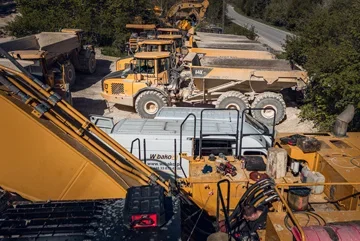
WIBAKO construction machinery service provides both stationary workshop services and work carried out directly at the customer's site. Our mobile service team can remove and install the engine at the machine's location, after which the power unit can be transported to Kojszówka for overhaul and dynamometer testing.
This solution is particularly useful for heavy construction machinery where transporting the entire machine to a workshop may be expensive and time-consuming. By carrying out the removal directly at the machine, we limit transportation to the engine itself.
For Cummins engines, we provide diesel engine diagnostics and overhauls, as well as the possibility of testing the engine on an engine dynamometer. The scope of work is always determined based on the actual condition of the engine rather than solely on the description of the symptoms.
Summary of the Cummins QSB 4.5 Engine Overhaul in Case 1150L
The overhaul of the Cummins QSB 4.5 engine installed in Case 1150L crawler dozers included comprehensive inspection of the power unit after many years of operation. The reason for the work was natural engine wear associated with high operating mileage and a gradual deterioration in operating parameters.
The process began with diagnostics in the machine and then included engine removal, transportation to our workshop in Kojszówka, dismantling and detailed inspection of individual components. The crank-piston system, crankshaft, connecting rods, pistons, cylinder liners, piston rings and bearings were inspected, together with the cylinder head, fuel system, turbocharger and other accessories.
After the necessary regeneration work had been completed, the engine was professionally assembled and then subjected to tests on the engine dynamometer. Only after successfully passing the tests was the unit prepared for reinstallation in the Case 1150L.
After installation, the connections, system tightness and engine operation were checked, followed by machine tests with the operator present. The next important stage is service inspection after 50 operating hours. WIBAKO can perform this inspection directly at the customer's site as part of its mobile service.
A properly performed engine overhaul is not simply a matter of replacing worn parts. It is an entire process involving diagnostics, measurements, regeneration, precise assembly, load testing and post-installation inspection. In the case of an engine operating in heavy construction machinery such as the Case 1150L, each of these stages is important for further operation.
If you need construction machinery service, diesel engine overhaul or Cummins engine diagnostics, WIBAKO can carry out the complete process, from diagnostics and engine removal through dynamometer testing to reinstallation of the power unit in the machine.
Cummins QSB 4.5 Engine Overhaul
Do you need an overhaul of a Cummins QSB 4.5 engine or service for a Case 1150L crawler dozer? WIBAKO provides comprehensive diagnostics, diesel engine overhauls, engine dynamometer testing, as well as engine removal and installation in construction machinery.