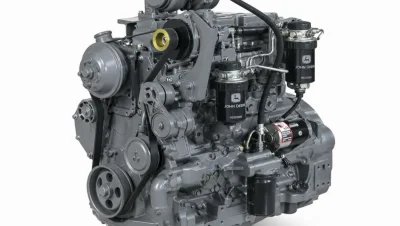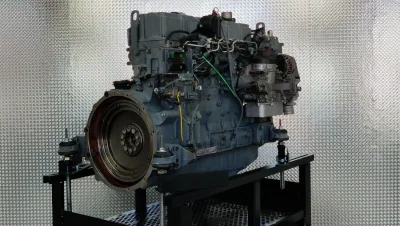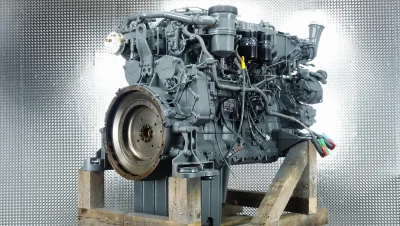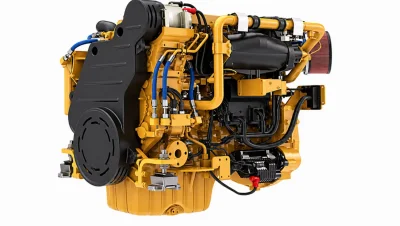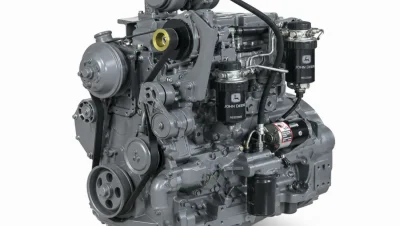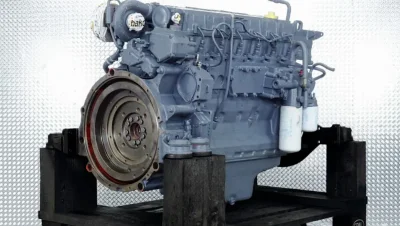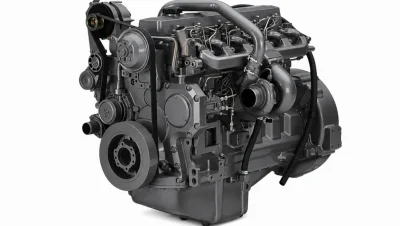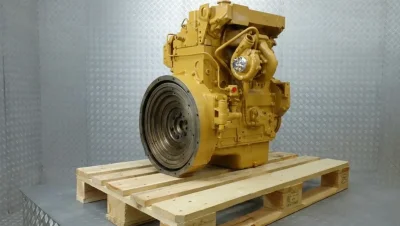


John Deere 4045TT060 Engine Overhaul in a Terex Finlay J-960 Crusher
When a crusher operates under heavy loads, any unusual engine behavior can quickly lead to downtime throughout the entire operation. In the case of the Terex Finlay J-960 crusher, there is no room for lengthy trial-and-error diagnostics. A machine equipped with a John Deere 4045TT060 engine was brought to our service after problems appeared during operation. The engine was responsible for driving the machine's hydraulic and auxiliary systems, and the symptoms indicated a potential problem in the lower part of the engine. A detailed inspection was therefore necessary to determine the actual condition of the unit and whether further operation was safe.
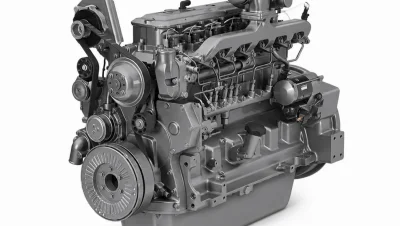
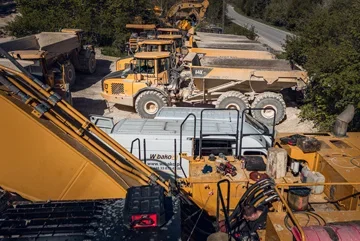
The Terex Finlay J-960 is a mobile jaw crusher designed for applications including processing construction materials, recycling and crushing hard materials. In this type of machine, the diesel engine operates under demanding conditions and must provide stable performance while the hydraulic system and other components are heavily loaded. Depending on the machine configuration, the J-960 can be equipped with John Deere 4045 engines with power of approximately 169 hp.
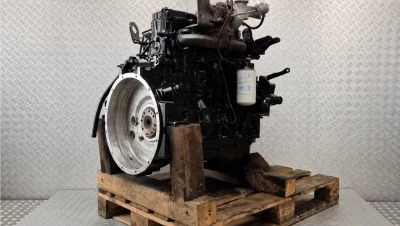
This particular machine was equipped with a John Deere 4045TT060 engine. The unit was thoroughly inspected before the overhaul began because the operating symptoms indicated possible wear in the crankshaft and connecting rod bearing area. The diagnostics ultimately confirmed wear of the crankshaft and connecting rod bearings. We carried out a comprehensive overhaul, starting with engine removal from the crusher and continuing with complete disassembly and inspection of the individual components, followed by assembly, start-up and a long-duration test on our engine dynamometer.
Initial Diagnostics of the John Deere 4045TT060 Engine in the Terex Finlay J-960
The first stage of the work was engine diagnostics directly in the Terex Finlay J-960 crusher. When an engine shows symptoms that may indicate bearing wear, we do not immediately proceed with removal. First, we check how the engine behaves during operation and whether the symptoms actually indicate a mechanical problem.
Our mechanics began with a visual inspection. We checked the engine for leaks, inspected the condition of the hoses and connections, and examined areas where fluid leaks could occur. We then checked the engine oil level and condition. Particular attention was paid to possible contamination and metallic particles, which can indicate accelerated wear of internal engine components.
The next step was measuring the engine oil pressure while the engine was running. This is one of the basic parameters that helps assess the condition of the lubrication system. Worn crankshaft or connecting rod bearings can affect the engine's ability to maintain the correct oil pressure. At the same time, we analyzed engine operation, listening for abnormal sounds and checking its behavior during starting and under changing load conditions.
The combination of the measurement results and the symptoms observed in the machine indicated that further operation without dismantling the engine would be risky. A detailed inspection of the crankshaft, bearings and connecting rods was necessary. In such a situation, simply replacing the oil or filters cannot solve the underlying problem. To determine the actual degree of wear, the engine must be dismantled and its components inspected individually.
Engine Removal from the Terex Finlay J-960 Crusher
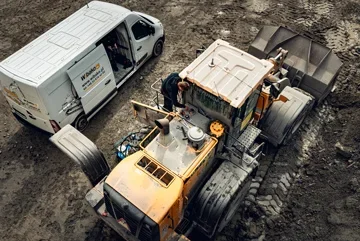
Once the need for an overhaul had been confirmed, we prepared the engine for removal. The work was carried out as part of our construction machinery service. When removing an engine from a large mobile machine, the lifting operation is always performed using a crane provided by the customer. This allows the unit to be safely removed from the engine compartment without placing unnecessary loads on the machine's structural components.
Before the actual removal, we secured the systems and components that remained in the machine. Electrical connections, fuel lines, cooling system hoses and air intake components were disconnected. Each connection was properly marked so that there would be no confusion during later reassembly. Particular attention was paid to protecting open lines from dirt and other contaminants.
Components remaining connected to the engine were also disconnected. The mechanics then prepared the lifting points and, after checking all remaining connections, began removing the engine from the machine. The operation required particular care because of the limited working space and the number of components located around the engine.
After removal, the engine was prepared for transportation to our facility in Kojszówka. This is where we carry out detailed inspections and overhauls of engines used in construction machinery, crushers, screeners, wheel loaders, excavators and other off-highway machines.
Inspection of the John Deere 4045TT060 Engine in Our Workshop
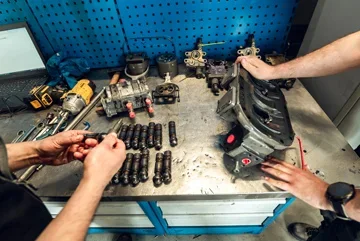
After the engine arrived at our workshop, we began the disassembly process. When the condition of an engine is not completely known, we do not assume in advance which components will require replacement. The engine is dismantled, the parts are cleaned and then individual components are inspected.
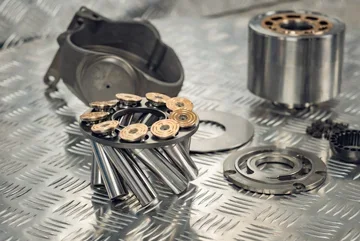
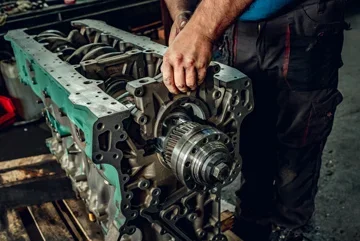
First, we inspected the components of the crankshaft and piston system. Particular attention was paid to the crankshaft, bearings and connecting rods. The working surfaces showed signs of wear consistent with the symptoms previously observed during engine operation.
The crankshaft underwent a detailed visual inspection. We checked its surface condition, signs of overheating, journal wear and crankshaft runout. The oil passages were also inspected because their condition directly affects proper bearing lubrication.
The connecting rods were inspected for wear, cracks, signs of overheating and possible deformation. We also checked the fastening components. All measurements were completed before decisions were made regarding the continued use of individual components.
At the same time, we inspected the pistons, piston rings and cylinder liners. Our inspection does not focus only on the component that originally caused the problem. When an engine is dismantled, its key components are checked to ensure that no component with an uncertain technical condition remains inside the rebuilt unit.
Repair of the Crankshaft and Piston System
The most important part of the John Deere 4045TT060 engine overhaul was the repair of the crankshaft and piston system. Wear of the bearings and components working with the crankshaft required a detailed assessment of all working surfaces. Based on the measurements, we determined the scope of work necessary to restore the engine's proper operating parameters.
The crankshaft was thoroughly cleaned and measured. We checked the journal diameters, runout and surface condition. Whenever a component requires reconditioning, the exact scope of work is determined based on actual measurements rather than simply on the engine's age or operating hours.
The connecting rods were also inspected. Their surfaces, bearing contact areas and possible signs of overheating were checked. Every component had to meet the requirements necessary for reuse in the rebuilt engine.
We also inspected the pistons, piston rings and cylinder liners. Components showing excessive wear are not left in the engine simply because they were not the direct cause of the original failure. The objective of an overhaul is to create a reliable engine that can return to demanding operating conditions in the Terex Finlay J-960.
After completing the inspection, we began assembling the crankshaft and piston system. All working surfaces were properly prepared and the components were installed in the correct sequence and according to the required assembly parameters.
Inspection and Reconditioning of the Engine Cylinder Head
During the overhaul of the John Deere 4045TT060, we did not limit our work to the lower part of the engine. The cylinder head was removed, thoroughly cleaned and inspected to determine whether it could be reused.
We checked the valve seats, guides, valves and the overall tightness of the cylinder head. A pressure-tightness test can reveal cracks or other defects that are not always visible during a standard visual inspection. During this procedure, the cylinder head is immersed in heated water and compressed air is introduced into the appropriate passages. Any escaping air can indicate a leak or crack.
The scope of cylinder head reconditioning always depends on its actual condition. The work may include machining the cylinder head surface, replacing valve guides and replacing valves. This allows the cylinder head to be reused in the rebuilt engine without leaving components of uncertain condition.
Fuel System and Engine Auxiliary Equipment Inspection
During the overhaul of the John Deere 4045TT060, we also inspected the fuel system and engine auxiliary equipment. For engines operating in crushers, correct operation of the crankshaft and piston system is not enough. The components responsible for fuel delivery and air supply must also operate correctly.
The fuel system components were inspected according to their condition. When an element requires detailed testing on a test bench, this is carried out before reassembly. This reduces the risk of installing a rebuilt engine with a faulty fuel system component.
The turbocharger was also inspected. In this case, we checked, among other things, axial and radial play. Other auxiliary components, including the starter motor, alternator and electromechanical components, were also inspected.
This approach is particularly important when rebuilding an engine for a crusher. The engine may be mechanically rebuilt correctly, but if one of its auxiliary components causes problems during operation, the machine may still be exposed to downtime.
Professional Assembly of the John Deere 4045TT060 Engine
Once all components had been inspected and prepared, we began assembling the engine. Accuracy is particularly important at this stage. An engine overhaul is not simply a matter of replacing several parts. Proper preparation of all mating surfaces, correct component fit and adherence to the correct assembly sequence are equally important.
The crankshaft and piston system was assembled after all required measurements had been completed. The prepared crankshaft, connecting rods, pistons, piston rings and other components were installed according to the scope of work. All connections were assembled using the required installation parameters.
The cylinder head and timing components were then installed. Before closing the engine, we once again checked the condition of the mating surfaces and the cleanliness and flow of the oil passages. The objective was to prevent contamination from remaining inside the engine and affecting the operation of the newly rebuilt unit.
Once the main engine assembly had been completed, the auxiliary equipment was installed. The fuel system, cooling system, air intake and electrical components were connected. Particular attention was paid to the hoses and connections that had been secured and marked during removal.
Before starting the engine, we inspected all connections. Oil, fuel, cooling system and air intake lines were checked. The tightness of the entire system is extremely important when an engine is subsequently installed in a machine. Even a small leak in an air intake hose can affect engine operation, while a leak in the cooling or lubrication system can lead to another costly period of downtime.
John Deere 4045TT060 Engine Test on the Engine Dynamometer
One of the most important stages of the overhaul was testing the engine on our engine dynamometer. This allows us to test the rebuilt unit before it is installed back into the Terex Finlay J-960 crusher. As a result, we do not have to wait until the engine is installed in the machine to perform a complete functional assessment.
The dynamometer test is carried out under load. After an overhaul, the engine is started and initially operated under lighter conditions. The unit remains under the supervision of our mechanics while its parameters are monitored during successive stages of operation. For rebuilt engines, we run the engine for a minimum of 16 hours under light operating conditions, with a load of approximately 20-30% of the nominal value.
This stage is important for the proper bedding-in of cooperating components. At the same time, it allows us to determine whether leaks appear after the engine reaches operating temperature and whether its operating parameters remain stable. We monitor parameters such as temperature, oil pressure and engine behavior as operating conditions change.
If the engine maintains its basic operating parameters after the initial period of light-load operation, we proceed to the next stages of the test. The unit is gradually loaded and then repeatedly subjected to higher loads. This allows us to check its response to changing load conditions and its behavior under operating conditions closer to those it will experience after installation in the crusher.
The dynamometer also allows us to evaluate the engine independently of the machine's hydraulic system. If a problem occurs during testing, we can focus directly on the engine and its auxiliary equipment. This is a major advantage compared with a situation where the first full test of a rebuilt engine takes place only after it has been installed in the machine.
In the case of the engine intended for the Terex Finlay J-960, it was particularly important to verify stable engine operation during successive load changes. During crushing operations, the machine may require continuous and stable operation of its drive and hydraulic systems, which means that the engine must maintain appropriate parameters not only at idle but also under load.
After successfully completing the test and passing all stages of the dynamometer procedure, the engine was prepared for transportation and reinstallation in the Terex Finlay J-960. Testing the engine beforehand provided us with significantly greater confidence that the unit was ready to return to service.
Installation of the Rebuilt Engine in the Terex Finlay J-960
After completing the dynamometer tests, the engine was returned to the machine. Installation was carried out with the same attention to detail as the earlier removal. Using the crane provided by the customer, the engine was safely positioned inside the engine compartment and aligned correctly.
The engine mounts were installed first. We then began reconnecting the individual systems. Particular attention was paid to the cooling system, air intake, fuel lines and electrical system. All connections were checked to ensure that they were correctly installed and secured.
During installation, we also inspected the condition of the pipework and hoses. If a hose shows signs of wear, cracking or improper sealing, it is not left unchecked simply because it was previously used in the machine. The condition of the air intake system is important for correct engine operation, so after installation we checked the tightness of the intake system.
The cooling and fuel system hoses were checked in the same way. All connections were properly secured and the systems prepared for the first start. Before starting the engine, we also performed the required service procedures, including checking fluid levels and replacing consumable components according to the scope of work.
Once the engine had been started, we began the first tests in the machine. Our work does not end when the engine starts running. The mechanics observe the engine, check the tightness of the connections and monitor the behavior of all components during operation. The connections between the engine and the remaining machine systems are also inspected.
An important part of the final testing procedure is operating the machine together with the operator. The operator knows how the Terex Finlay J-960 behaves during normal operation. Therefore, after completing the initial checks, we carry out functional tests together with the operator. We check the engine response to individual machine functions, its behavior under changing loads and the operation of the hydraulic system.
After the tests are completed, all connection points are inspected again. We check for oil, fuel and coolant leaks. Air hoses and electrical connections are also inspected. Only after the entire installation procedure has been successfully completed do we consider the work finished.
After installation, the customer receives information regarding further engine operation. We recommend the first service inspection after 50 operating hours. This is an important stage because it involves more than simply replacing filters. Our mechanics also inspect the overall condition of the auxiliary equipment and connections, check system tightness and verify correct engine operation after the initial operating period.
John Deere Engine and Terex Finlay Machinery Service
The overhaul of the John Deere 4045TT060 engine in the Terex Finlay J-960 is an example of work where diagnostics, mechanical experience and the ability to test the engine independently of the machine are all important. Our service performs engine removal and installation as well as comprehensive engine overhauls.
We work with construction machinery, crushers, screeners, wheel loaders, excavators and other machines used in demanding conditions. In the event of an engine problem, we can begin diagnostics directly at the customer's site. Our mobile service performs engine removal and installation, while the removed engine can be transported to our facility in Kojszówka for detailed inspection and overhaul.
In the case of John Deere engines, correct engine identification is particularly important. When selecting parts and planning an overhaul, we use information such as the engine model, engine number and data from the identification plate. This helps reduce the risk of using incorrect components during the rebuild.
Machines Using John Deere 4045 Engines
Engines from the John Deere 4045 family are used in a wide range of machines operating in agriculture, construction, industry and municipal applications. Depending on the application and machine requirements, these engines can occur in different configurations and versions.
For construction machinery, correct engine matching to the specific machine configuration is particularly important. The engine family name alone is not always sufficient. When identifying a unit, the engine model, serial number and auxiliary equipment configuration should also be taken into account.
If you are looking for John Deere parts or an engine for construction machinery, a crusher or a screener, it is worth sending us the engine identification or a photo of the identification plate. Based on this information, we can more accurately verify the correct configuration.
Summary of the John Deere 4045TT060 Engine Overhaul
The overhaul of the John Deere 4045TT060 engine intended for the Terex Finlay J-960 crusher included complete diagnostics, engine removal from the machine, disassembly and inspection of the components, repair of the crankshaft and piston system, inspection of the cylinder head and auxiliary equipment, engine reassembly and testing on the engine dynamometer.
The detailed inspection of the bearings, connecting rods and crankshaft was a key part of the overhaul. By dismantling the unit, we were able to determine the actual condition of the components and establish the required scope of work. After the overhaul, the engine was started and tested on the dynamometer under successive load conditions.
Only after successfully passing the tests was the engine reinstalled in the Terex Finlay J-960. Following installation, we checked the tightness of all systems and tested the machine together with the operator. This approach helps reduce the risk of further downtime and gives the customer greater confidence before returning the crusher to regular operation.
After the first 50 operating hours, we recommend a service inspection performed by our service team. During this visit, we do not only replace filters and check basic operating parameters. We also inspect the condition of connections, auxiliary equipment and hoses and look for any leaks that may appear during the initial operating period following the overhaul.
Terex Finlay Service and John Deere Engine Overhauls - Kojszówka
If your Terex Finlay J-960 crusher is experiencing problems with its John Deere 4045 engine, it is not worth waiting until minor symptoms develop into a major failure. Early diagnostics can help determine the actual condition of the unit and allow the repair to be planned before additional components are damaged.
WIBAKO provides construction machinery service, diagnostics and diesel engine overhauls for off-highway machinery. We perform engine removal and installation, component reconditioning and post-overhaul engine testing on our engine dynamometer. We serve customers throughout Poland, and our mobile service can travel directly to the machine's operating location.
For a John Deere 4045TT060 engine, we can begin with engine identification and initial diagnostics. The engine number, model designation and a photo of the identification plate are useful when determining the correct configuration. This allows us to plan the next steps according to the specific engine and machine.
Related Information
Construction Machinery Service
Engine Dynamometer - Post-Overhaul Engine Testing
Contact us
Do you need an overhaul of a John Deere 4045TT060 engine or service for a Terex Finlay J-960 crusher? WIBAKO provides comprehensive repairs, engine removal and installation, as well as engine dynamometer testing.