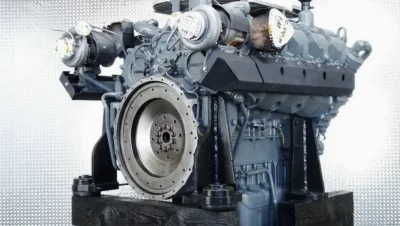
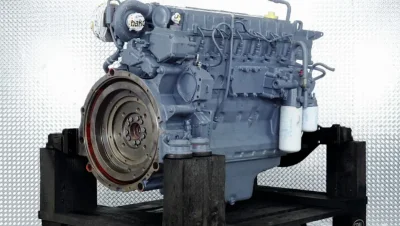
John Deere 6068HF285 Engine Overhaul in Hitachi ZX240-3, Hitachi ZX250-3 and John Deere 240D LC Crawler Excavators
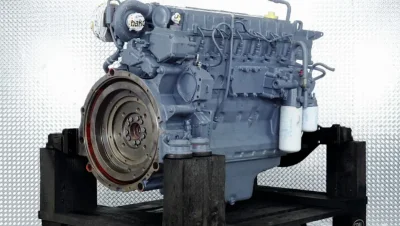
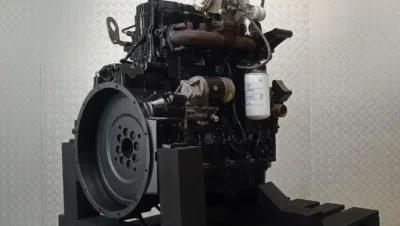
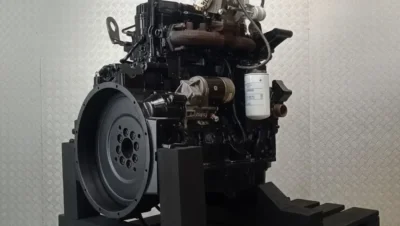
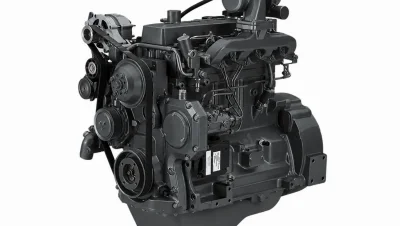
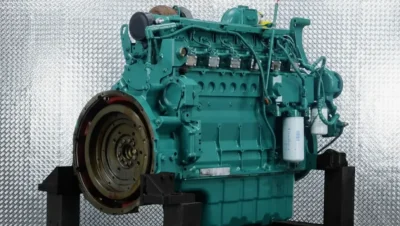
The John Deere 6068HF285 is a diesel engine designed for demanding applications in heavy construction machinery, where reliability, suitable torque characteristics and the ability to operate continuously under high loads are essential. This engine belongs to a family of power units used in various types of off-highway equipment, including crawler excavators working on earthmoving projects, excavation, material handling and construction site preparation. Machines associated with this engine include the Hitachi ZX240-3, Hitachi ZX250-3 and John Deere 240D LC.
In crawler excavators, engine performance directly affects the productivity of the entire machine. Reduced power, uneven operation, increased engine oil consumption or difficulties maintaining correct operating parameters can limit the machine's capabilities and lead to unplanned downtime. Therefore, when the power unit suffers significant wear, a comprehensive engine overhaul is a solution that can restore its proper technical condition.
WIBAKO specialises in comprehensive repairs and reconditioning of diesel engines used in construction machinery. Our services include diagnostics, engine removal, detailed component inspection, mechanical repairs, professional assembly and testing on an engine dynamometer. With our own workshop facilities, we can test the engine before it is reinstalled in the excavator.
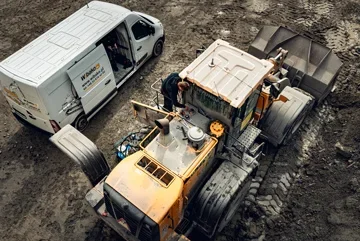
We provide services throughout Poland. When an overhaul of a John Deere 6068HF285 engine is required, removal and subsequent installation can be carried out directly at the customer's location, for example in the Krakow area. Our mobile service team performs work on-site, while the removed engine is transported to our WIBAKO headquarters in Kojszówka, where the actual repair process takes place.
Initial Diagnostics of the John Deere 6068HF285 Engine Before Overhaul
Before deciding to overhaul an engine, it is essential to identify the source of the problems. In the case of the John Deere 6068HF285, the reason for repair may be natural wear of the crankshaft and piston assembly, resulting in a gradual loss of power, increased oil consumption and deteriorating operating parameters. These symptoms require thorough investigation, as they may result from wear of the cylinders and pistons as well as other mechanical faults.
We begin the diagnostic process by speaking with the machine operator or owner. Information about when the problems first appeared, how the engine behaves during warm-up, the characteristics of exhaust smoke and changes in oil consumption helps us determine the direction of further inspections. We also review any available information concerning previous repairs and maintenance.
Next, we carry out a basic inspection of the power unit. This includes checking the engine for leaks, inspecting hoses, connections and cooling system components. We examine the engine oil level and condition, as well as the oil filter for contamination and metallic particles. We also check for signs of excessive crankcase blow-by.
Where the engine condition and design allow, we proceed with compression pressure measurements. This test helps assess the sealing condition of the individual cylinders. If necessary, we supplement the diagnostics with a cylinder leakage test and an endoscopic inspection. An inspection camera allows us to assess visible piston and cylinder surfaces without immediately dismantling the entire engine.
If the test results indicate excessive wear of the crankshaft and piston assembly, and the operating symptoms confirm problems maintaining correct performance, the engine is qualified for further workshop inspection. Only after dismantling the engine can we accurately determine the extent of the damage and decide which components can be reused and which require repair or replacement.
Removing the Engine from a Crawler Excavator
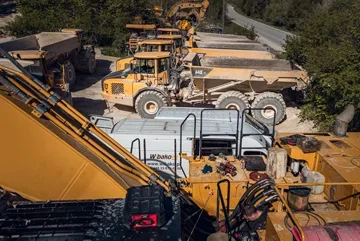
Once the need for an overhaul has been confirmed, we prepare the machine for engine removal. The work is organised at the excavator's location, taking into account the technical conditions and safety requirements. Our WIBAKO mobile service team travels to customers throughout Poland. We perform engine removal on Hitachi ZX240-3 and ZX250-3 excavators, as well as John Deere 240D LC machines equipped with the relevant power unit.
Engine removal is carried out using a crane provided by the customer. Before lifting the unit, our mechanics prepare the work area and secure the machine against accidental starting. They then proceed to disconnect the auxiliary components and systems connected to the engine.
First, the systems that need to be disconnected are drained or properly secured to ensure safe removal. Our mechanics disconnect the fuel lines, cooling system components, air intake pipes and electrical connections. Particular attention is paid to correctly identifying the connections so that subsequent installation can be completed efficiently and without mistakes.
Mounting components, brackets, hoses and other parts restricting access to the engine are also removed. Once all necessary mechanical and electrical connections have been disconnected, we check whether the unit is ready for safe lifting. The engine is attached at the designated lifting points and carefully removed from the engine compartment.
During removal, we monitor the engine's position in relation to the remaining machine components. This is particularly important in large crawler excavators, where the available service space may be restricted by the engine compartment design. We avoid stressing hoses or accidentally damaging components that remain in the machine. Once removal is complete, open hoses and connections are secured to prevent contamination from entering the systems.
The removed John Deere 6068HF285 engine is then prepared for transport to our headquarters in Kojszówka. This is where the detailed inspection and repair process begins. Auxiliary components intended for reuse during installation are also secured separately. This preparation makes subsequent assembly easier and reduces the risk of problems during commissioning.
Inspection of John Deere 6068HF285 Engine Components at the WIBAKO Workshop
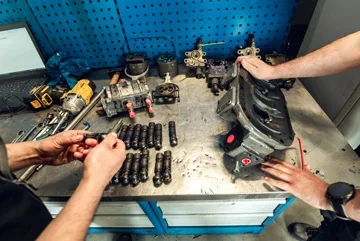
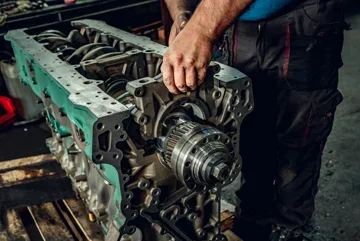
Once the engine arrives at our workshop, we begin dismantling it. Each stage is carried out in an organised manner to ensure that every component can be accurately assessed. Engine parts are removed, cleaned and prepared for measurement. Our inspection is not limited to components showing visible damage. We also examine cooperating parts, as excessive wear in these areas can affect the durability of the rebuilt engine.
In the case of the John Deere 6068HF285, particular attention is paid to the crankshaft and piston assembly. If the original reason for the overhaul was loss of compression, increased oil consumption or excessive smoke, it is essential to thoroughly inspect the cylinders, pistons, piston rings, connecting rods and crankshaft.
Inspection of the Engine Block, Cylinders and Pistons
After dismantling the main components, we assess the condition of the engine block and cylinder surfaces. We check for seizure marks, scratches, discolouration indicating overheating and other signs of improper piston-to-cylinder interaction. We measure cylinder diameters, taking into account wear in different planes and at different heights.
Checking cylinder geometry is an important part of the inspection. We assess parameters such as cylinder ovality and taper. The measurement results help us determine whether the working surfaces can be reused or whether machining or the installation of new cylinder liners is required, depending on the design and technical condition of the engine.
Each piston is inspected for mechanical damage, cracks, signs of overheating and excessive wear on surfaces that interact with the cylinder. We also check the piston ring grooves and the condition of the piston skirt. Worn piston rings can allow combustion gases to enter the crankcase, reduce cylinder sealing efficiency and increase engine oil consumption.
Crankshaft and Connecting Rod Inspection
The crankshaft of the John Deere 6068HF285 engine undergoes a detailed visual inspection and dimensional measurements. We examine the main and connecting rod journals for signs of seizure, overheating and abnormal wear. We also measure crankshaft runout, as deviations from the required values can affect the correct operation of the entire crankshaft and piston assembly.
Checking the oil passages is another important stage. Their unobstructed condition is essential for proper lubrication of the bearings and other cooperating components. We verify whether the journals can be reused or whether the crankshaft requires grinding, provided its technical condition and dimensions allow this machining process.
Connecting rods are inspected for cracks, deformation, signs of overheating and wear on cooperating surfaces. We perform geometry measurements, including checks for twisting and bending. The bearing surfaces and connecting rod bolts are also examined. Each component must meet the appropriate technical requirements to ensure correct engine operation after assembly.
Inspection of Bearings and the Lubrication System
Main and connecting rod bearings are inspected for wear, scratches and signs of inadequate lubrication. Their appearance can provide valuable information about the conditions under which the engine previously operated. Uneven wear, local overheating or damage to the bearing surface may indicate problems with oil pressure or contamination within the lubrication system.
We also inspect the components responsible for oil circulation. This includes checking the oil pump, cooperating surfaces and the condition of lubrication passages. We verify that no contamination remains in the system that could cause another engine failure after the overhaul.
Engine Cylinder Head Inspection
The cylinder head is one of the most important components affecting cylinder sealing and the correct combustion process. After removal, we carry out a visual inspection and examine the valve train components. We check the condition of valve seats, guides, valves and the cylinder head mating surface.
We also perform a cylinder head pressure test. This inspection helps identify cracks that may not be visible during a standard visual examination. The cylinder head is immersed in heated water and then subjected to compressed air. We observe whether air bubbles escape from its surface, which would indicate a leak.
If the technical condition of the cylinder head allows further use, we prepare it for reconditioning. The scope of machining depends on the inspection results and the degree of wear of individual components. We also inspect the camshaft, its journals and lobes. This allows us to determine whether the valve timing components have retained the required dimensions.
John Deere 6068HF285 Engine Overhaul and Reconditioning
Once the inspection is complete, we prepare a repair plan. The selection of replacement parts and machining procedures depends on the actual condition of the components. We do not automatically assume that every part needs to be replaced. Components that remain within the permissible dimensional limits can be reused after appropriate preparation. Parts that are excessively worn or damaged are repaired or replaced.
Repair of the Crankshaft and Piston Assembly
One of the main areas of the John Deere 6068HF285 engine overhaul is the crankshaft and piston assembly. Its condition directly affects compression, oil consumption, mechanical efficiency and the engine's ability to deliver the required performance under load.
Depending on the measurement results, we carry out appropriate machining of the cylinder surfaces or prepare the engine block for the installation of new cylinder liners, if required by the design and condition of the unit. The working surfaces must be prepared with the correct geometry and surface finish. This is essential for proper piston ring bedding-in and subsequent cylinder sealing.
If excessive piston wear is identified, we install new components suitable for the specific engine version. We also fit new piston rings selected according to the engine's technical requirements. Before installation, we check their dimensions and compatibility with the prepared cylinders. We also verify piston ring end gaps, as incorrect clearances can cause problems during operation.
If the crankshaft condition requires it, the component is sent for appropriate machining. After grinding, we recheck the journal dimensions and prepare the surfaces for cooperation with correctly selected bearings. New main and connecting rod bearings are installed in accordance with the technical requirements. During assembly, we check the clearances and ensure that the crankshaft rotates freely.
After inspection, connecting rods are prepared for reuse or replaced if their condition does not allow further operation. Particular attention is paid to bolted connections and bearing surfaces. Correct assembly of the crankshaft and piston components reduces the risk of premature wear and provides the engine with proper operating conditions.
Cylinder Head Reconditioning
The John Deere 6068HF285 cylinder head undergoes a reconditioning process tailored to its technical condition. The basic work includes surface preparation, resurfacing and replacement of worn valve guides and valves. If necessary, valve seats are also machined to ensure proper valve contact and adequate combustion chamber sealing.
After machining, we inspect the cylinder head again. We check the mating surface, valve seats and correct installation of the valve train components. Maintaining the correct clearances and installation dimensions is essential. An incorrectly prepared cylinder head can cause compression loss, starting difficulties or improper engine operation under load.
We also inspect the camshaft. If excessive wear is found on the journals or lobes, we decide whether the component can be reused, repaired or needs replacement. Once the work is complete, the cylinder head is thoroughly cleaned and prepared for installation on the engine block.
Fuel System and Auxiliary Equipment Inspection
During the overhaul, we also pay attention to auxiliary components that affect correct engine operation. The inspection includes the turbocharger, alternator, starter motor and available mechanical and electrical connections. The turbocharger is checked for axial and radial play, as well as visible signs of damage.
If any irregularities are identified, components requiring specialist repairs are sent to appropriate reconditioning facilities. The scope of fuel system work is determined by the diagnostic results. Depending on the equipment and engine version, the inspection may include testing the fuel injection components. Incorrect fuel delivery can cause uneven engine operation, excessive smoke and reduced performance.
We also inspect the lubrication and cooling systems, as their correct operation is essential for the durability of the rebuilt engine. We check the condition of connections, hoses and available mounting components. If necessary, we prepare new seals and mounting parts.
Professional Engine Assembly
Once all repair work has been completed, we begin assembling the engine. This stage requires a high level of precision, as even minor assembly errors can affect the subsequent operation of the unit. All components are cleaned and inspected again before installation. We also check the completeness of the prepared parts and verify that their dimensions meet the technical requirements of the John Deere 6068HF285 engine.
The assembly process begins with preparing the engine block. The crankshaft and piston components, including the crankshaft, bearings, connecting rods and pistons, are then installed. Each stage requires clearance checks and verification that the cooperating components are correctly positioned. After installing the crankshaft, we check that it rotates freely before proceeding with the remaining components.
The cylinder head is installed using the appropriate seals and fastening components. Bolts are tightened according to the correct procedure specified for the engine design. We also inspect the valve timing components, the positioning of cooperating parts and the correct installation of auxiliary equipment.
After assembling the main components, we install the remaining parts, including the oil pump, oil sump, covers and auxiliary system components. Particular attention is paid to the tightness of all connections. Every sealing surface must be properly prepared, and the seals used must be suitable for the specific installation location.
The completed engine is then prepared for starting and testing. Before operation begins, we check the completeness of the assembly and all essential connections. The unit is filled with the appropriate operating fluids and prepared for its first start. This allows us to proceed to the next stage: testing the engine under controlled conditions on our engine dynamometer.
John Deere 6068HF285 Engine Testing on the WIBAKO Engine Dynamometer
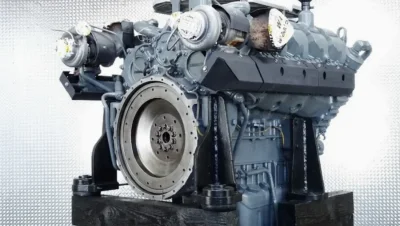
One of the most important stages of a comprehensive engine overhaul is checking its operation after the repair has been completed. At WIBAKO, we have our own engine dynamometer, which allows us to test power units outside the machine. This is a significant technical and organisational advantage, as it enables us to verify the engine before reinstalling it in a Hitachi or John Deere excavator.
Dynamometer testing does not simply involve starting the engine and checking whether it runs at idle. The unit is connected to a test stand that allows us to apply controlled loads during operation. This enables us to assess not only the correctness of the assembly but also the engine's behaviour under conditions similar to actual operating conditions. This is particularly important for engines used in crawler excavators, where the power unit operates under varying loads for many hours.
Preparing the Engine for Load Testing
Before testing begins, we check that the engine is complete and that all connections required for safe operation are in good condition. We verify the oil and coolant levels, as well as the levels of other operating fluids. We inspect system tightness, auxiliary equipment mounting points and the correct connection of hoses. We then prepare the dynamometer test stand and carry out the initial start-up.
During the initial phase, the engine operates under conditions that allow it to reach the correct operating temperature. We monitor engine stability, its response to changes in operating parameters and the behaviour of auxiliary systems. We check oil pressure, operating temperature and any signs of leakage. We also listen for unusual noises, vibrations or symptoms indicating improper cooperation between mechanical components.
Engine Break-In After Overhaul
Once the initial inspection has been completed successfully, we proceed to the break-in stage. During the first period, the engine operates at approximately 20-30% of its rated load. This stage lasts for a minimum of 16 operating hours on the dynamometer. Gradually increasing the load allows the cooperating mechanical components to bed in correctly after machining and assembly.
Break-in is particularly important for new piston rings, prepared cylinder surfaces and crankshaft and piston assembly components. During the first operating hours, we monitor the engine's behaviour and observe whether its parameters remain stable. We do not accelerate this process by applying high loads prematurely. The engine must complete an appropriate period of operation under lighter conditions before being subjected to more intensive testing.
Throughout the break-in period, our mechanics monitor the basic operating parameters. Oil pressure and engine temperature are particularly important. We also observe operating stability, engine behaviour during changes in speed and its response to gradually increasing loads. We check for oil leaks, coolant leaks and other irregularities.
Testing the Engine Under Full Load
After completing the minimum 16-hour operating period at approximately 20-30% load, we proceed to further tests. If the engine maintains correct operating parameters, we gradually increase the load. The unit is subjected to repeated tests under different operating conditions, allowing us to assess its response to changing power demands.
In Hitachi ZX240-3, Hitachi ZX250-3 and John Deere 240D LC excavators, the engine works together with a hydraulic system whose power requirements change depending on the operation being performed. During digging, lifting attachments or moving the machine, the power unit must provide appropriate operating characteristics. This is why dynamometer testing is designed to verify engine stability under changing loads.
During testing, we monitor temperature, oil pressure and overall operating stability. We observe the engine's response to increasing loads and check whether it maintains smooth and consistent operation. We also verify system tightness once the engine reaches operating temperature. Any irregularities identified during testing are analysed before the engine is approved for installation.
The dynamometer allows us to perform a significant part of the inspection before delivering the engine to the customer. This means that the unit does not need to be installed in the machine simply to check its basic ability to operate under load. Testing outside the excavator reduces the risk of having to remove the engine again if an irregularity is detected and allows us to assess the results of the overhaul more accurately.
Once the testing process has been successfully completed, the engine is prepared for transport. The test results form an important part of our quality control procedure. Only after the engine has been tested on the dynamometer can we proceed with reinstalling it in the machine.
Installing the Engine in a Hitachi ZX240-3, ZX250-3 or John Deere 240D LC Excavator
After successfully completing dynamometer testing, the John Deere 6068HF285 engine is prepared for reinstallation. The unit is properly secured for transport and delivered to the machine's location. Installation is carried out by our WIBAKO mobile service team, which performs the work directly at the customer's site. Depending on the machine's location, we organise service work throughout the Małopolska, Silesia, Świętokrzyskie and other regions of Poland.
Before placing the engine in the compartment, our mechanics inspect the mounting points, engine mounts, available hoses and cooperating components. We also check the installation space to ensure that no contamination or foreign objects remain that could interfere with correct positioning. If necessary, we clean the mounting surfaces and prepare the connections for reinstallation.
As during removal, we use a crane provided by the customer. The engine is lifted in a controlled manner and gradually positioned inside the engine compartment. Our mechanics carefully monitor its position in relation to the mounting points and other machine components. Once the unit is correctly positioned, we install the engine mounts and check their seating and tightening. Proper mounting is essential to ensure that the engine is stable and does not transmit unwanted vibrations to the excavator structure.
The next stage involves connecting the systems and auxiliary equipment. We install the fuel lines, cooling system components, electrical connections and all other connections required for correct engine operation. Particular attention is paid to the air intake system. We inspect the condition of the air hoses, connections to the turbocharger and pipes leading to the charge air cooler. If any damage or leaks are identified, the relevant components must be repaired or replaced.
Inspecting the air intake system is important because leaks can cause incorrect boost pressure, reduced engine power and excessive exhaust smoke. We also check the condition of clamps, connectors and hose connections. All components must be correctly fitted and secured against leaks during machine operation.
We then proceed with connecting the cooling system. We install the coolant hoses and check their routing and connection points. We also inspect the components responsible for airflow through the radiators. In crawler excavators operating in dusty environments, adequate cooling efficiency is particularly important. A faulty cooling system can cause engine overheating and subsequent damage to the power unit.
After connecting the fuel system, electrical installation and remaining auxiliary equipment, we inspect all connections. We check that no hoses are under tension, bent or exposed to contact with moving machine components. We also verify hose supports and protective fittings. Before the first start-up, we top up the required operating fluids, install new filters and prepare the systems for operation.
The first engine start is supervised by our mechanics. After starting, we do not immediately proceed to intensive excavator operation. First, we monitor oil pressure, coolant temperature, engine speed stability and the behaviour of the unit at idle. We check for leaks, unusual noises, excessive vibrations and other warning signs.
Once the initial inspection is complete, we carry out functional tests of the machine. We test the engine at different speeds and gradually increase the load. Cooperation with the excavator operator is an important part of this stage. The operator knows the machine's operating characteristics and can assess its behaviour during typical working operations.
We verify engine performance during hydraulic system operation, working movements, attachment lifting and machine travel. We observe whether the engine responds correctly to changing power requirements and maintains stable operating parameters. Additionally, we check hose and connection tightness once the engine reaches operating temperature. The inspection also covers the fuel, cooling, lubrication and air intake systems.
After completing the tests and obtaining satisfactory results, our service technicians prepare an installation report. This document confirms that the work has been completed and that the inspection following engine start-up has been successfully carried out. As a result, the customer receives a machine prepared for further operation, rather than simply an engine installed in its compartment.
Engine Maintenance After Overhaul - Inspection After 50 Operating Hours
A comprehensive overhaul of the John Deere 6068HF285 engine does not end when the unit is started and the machine is handed back to the customer. Proper maintenance during the initial operating period is also an important part of the entire process. After an overhaul, new or reconditioned components must begin working together under real operating conditions, which is why we recommend regular inspections of the engine's technical condition.
We recommend carrying out the first service inspection after 50 operating hours. Our mobile service team then visits the customer and inspects the engine directly in the machine. This inspection includes not only replacing filters and checking the engine oil but also assessing the overall condition of the engine and auxiliary equipment installed during the previous work.
Our mechanics inspect connection tightness, hose condition, mounting points and engine behaviour during operation. We also check whether any oil or coolant leaks have appeared. This is an important stage because some leaks may only become visible after a certain period of operation, when the engine repeatedly reaches operating temperature and works under varying loads.
Replacing filters after the first 50 operating hours also helps remove any contamination that may have accumulated during the initial operating period. We recommend carrying out subsequent inspections every 250 operating hours, but no less frequently than every three months. Regular maintenance helps monitor the engine's condition and reduces the risk of more serious failures in the future.
John Deere 6068HF285 - Engine Used in Construction Machinery
The John Deere 6068HF285 belongs to the family of six-cylinder PowerTech E diesel engines. It is an inline engine with a displacement of 6.8 litres, equipped with turbocharging and charge air cooling. According to the manufacturer's technical documentation, the engine has a bore of 106 mm and a stroke of 127 mm. Depending on the configuration and power rating, its operating parameters may vary.
Engines from the John Deere 6068 family are used in various types of industrial and construction machinery. Their design is intended for operation under varying loads, which is particularly important in excavators, loaders and other machines operating in demanding conditions.
The machines associated with this engine include:
Hitachi ZX240-3 - a crawler excavator designed for intensive earthmoving operations, excavation, material handling and construction projects.
Hitachi ZX250-3 - a medium-to-heavy crawler excavator used for earthmoving, road construction and projects requiring high hydraulic system performance.
John Deere 240D LC - a crawler excavator designed to operate in demanding construction environments. John Deere documentation for the 240D LC model specifies a six-cylinder John Deere 6068H engine with a displacement of 6.8 litres.
It is important to remember that the engine family designation alone may not be sufficient to confirm the compatibility of a specific engine version with a particular machine. Depending on the market, production year and manufacturer's configuration, there may be differences in auxiliary equipment, mounting points, installation and control parameters. Therefore, before selecting an engine or ordering replacement parts, we recommend verifying the machine serial number and the engine identification plate.
Comprehensive John Deere Engine Service - Why Choose WIBAKO?
Overhauling an engine in a crawler excavator requires appropriate technical facilities, experience and knowledge of the power units used in construction machinery. At WIBAKO, we have been specialising in diesel engine repairs and construction machinery servicing for many years. We combine on-site service work with the technical capabilities of our workshop in Kojszówka.
One of the most important advantages of our service organisation is the ability to test engines on our dynamometer before reinstalling them in the machine. This allows us to verify the results of the overhaul under controlled conditions and reduce the risk of having to remove the engine from the excavator again.
Our services include:
- Comprehensive diagnostics and overhauls of diesel engines used in construction machinery.
- Engine removal and installation directly at the customer's location.
- Detailed inspection of the crankshaft and piston assembly, cylinder head and auxiliary equipment.
- Reconditioning and repair of engine components.
- Testing overhauled engines on an engine dynamometer.
- Engine inspections after installation and operational tests with the machine operator.
- Service inspection after the first 50 operating hours.
- Warranty on completed engine overhauls.
Our offer also includes mobile construction machinery servicing. We travel to customers throughout Poland and, when necessary, carry out work outside the country. This allows owners of Hitachi, John Deere and other construction machinery brands to benefit from comprehensive support without having to organise the entire repair process themselves.
Summary - John Deere 6068HF285 Engine Overhaul
A professional overhaul of the John Deere 6068HF285 engine requires several stages, from initial diagnostics and removal, through detailed component inspection, to repairs, assembly and load testing. Every stage is important for the subsequent reliability of the engine and its proper cooperation with the excavator's hydraulic system.
WIBAKO provides comprehensive repairs of engines used in construction machinery. We use our own workshop facilities, specialist equipment and an engine dynamometer that allows us to test the power unit before reinstallation. In addition, we provide mobile service, engine installation at the customer's location and a service inspection after the first 50 operating hours.
If your Hitachi ZX240-3, Hitachi ZX250-3 or John Deere 240D LC excavator requires engine repairs, contact us. We will help determine the scope of the necessary work, inspect the engine and recommend the appropriate solution. We specialise in both John Deere engine overhauls and servicing other power units used in construction machinery.
Related WIBAKO Services
Professional Construction Machinery Service - diagnostics, repairs and technical maintenance of excavators, loaders and other construction equipment.
Diesel Engine Overhauls - comprehensive reconditioning of diesel engines used in construction machinery.
Mobile Construction Machinery Service - on-site visits, diagnostics, component removal and installation.
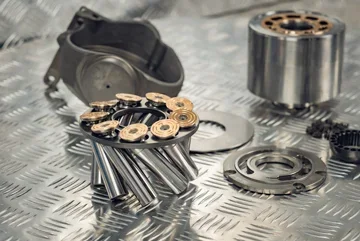
Hydraulic System Repairs - diagnostics and reconditioning of hydraulic pumps, hydraulic motors, control valves and cylinders.
John Deere 6068HF285 Engine Overhaul - Contact WIBAKO
Does your Hitachi ZX240-3, ZX250-3 or John Deere 240D LC excavator require engine repairs? WIBAKO provides comprehensive diesel engine overhauls, on-site engine removal and installation, and testing on an engine dynamometer. Contact us and benefit from professional construction machinery service.