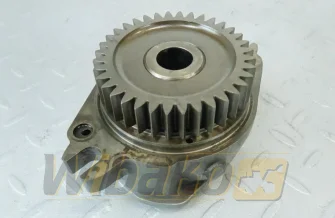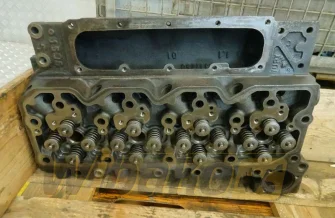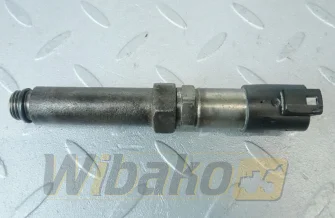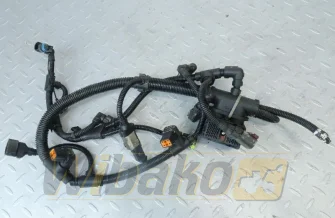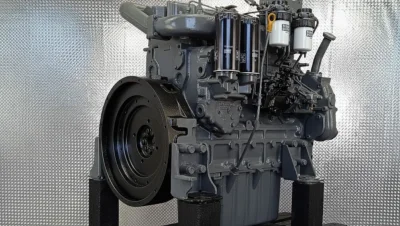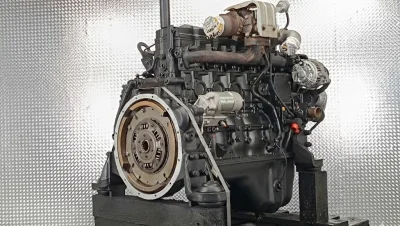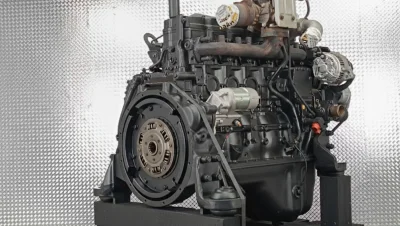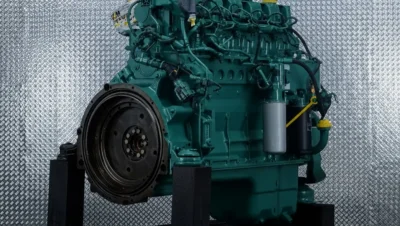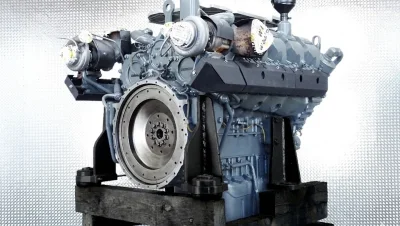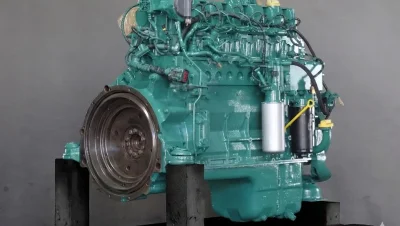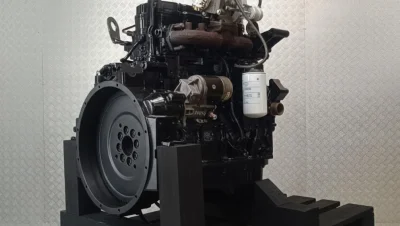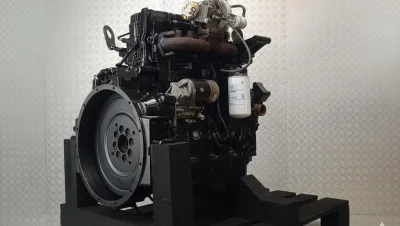


Cummins QSB 4.5 Engine Overhaul in Hyundai R140LC-9 Crawler Excavator
Professional Repair of Cummins QSB 4.5 Engine in Hyundai R140LC-9 Machine
The Hyundai R140LC-9 crawler excavator is one of the popular machines used in earthworks, infrastructure construction, and road works. Thanks to an appropriately selected operating weight, efficient hydraulics, and a reliable drive, it is utilized both by large construction enterprises and companies performing specialized earthworks.
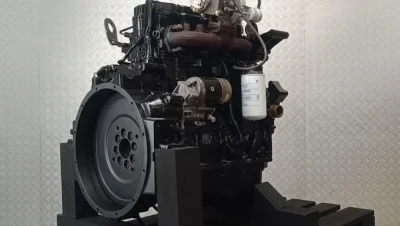
The power unit used in the Hyundai R140LC-9 model is the Cummins QSB 4.5 engine. It is a four-cylinder, turbocharged 4.5-liter diesel engine equipped with electronic control of the power unit's operation. The QSB series engines were developed for demanding industrial and construction applications, offering high durability and a favorable power-to-fuel-consumption ratio. :contentReference[oaicite:1]{index=1}
The owner of an excavator operating near Kielce in the Świętokrzyskie Voivodeship contacted our service center. Operators reported a systematic drop in engine power, increased engine oil consumption, and visible exhaust smoke during operation under load. The symptoms indicated wear of the cylinder-piston system and the need for detailed diagnostics of the Cummins QSB 4.5 unit.
Engine Diagnostics in the Hyundai R140LC-9 Excavator
The first stage of work was diagnostics carried out by our mobile service directly at the customer's site. The mechanics performed a basic visual inspection of the power unit, checked the tightness of the intake system, the condition of the cooling system, and the engine operating parameters stored in the controller.
Next, compression pressure was measured on individual cylinders. The results showed significant differences between the cylinders and values deviating from the nominal parameters. Additionally, a cylinder leakage test and an inspection of the combustion chamber interiors were performed using an endoscopic camera.
The tests revealed signs of wear on the cylinder surfaces, carbon deposits on the pistons, and degradation of the piston ring sealing. In connection with the diagnostic results, a decision was made to disassemble the engine and transport it to our facility in Kojszówka for full verification.
Disassembly of the Cummins QSB 4.5 Engine from the Hyundai R140LC-9 Excavator
The disassembly of the power unit was carried out by our mechanics at the customer's yard. A crane provided by the machine owner was used to remove the engine. Before starting the work, the workstation was secured, and photographic documentation of all connections was prepared.
Electrical cables, the fuel system, the cooling system, hydraulic lines cooperating with the auxiliary drive, and the complete intake system were disconnected. Particular attention was paid to protecting the intercooler, pressure lines, and electronic components responsible for controlling the engine operation.
After disconnecting the accessories and mounts, the engine was safely removed from the engine compartment and prepared for transport. All components were properly labeled, which significantly facilitates the subsequent installation of the power unit.
Engine Verification in the Workshop
After delivering the Cummins QSB 4.5 engine to our facility, a detailed verification began. The process started with an initial attempt to rotate the crankshaft and disassembly of the unit into individual components.
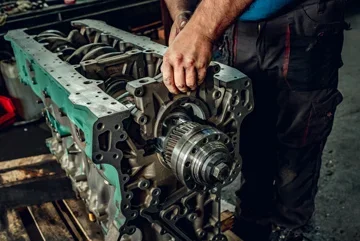
After removing the cylinder head, previous assumptions regarding the wear of the cylinder-piston system were confirmed. Signs of cylinder liner wear, increased clearances between pistons and cylinders, and significant wear of the piston rings were visible.
The following were also conducted:
- verification of the crankshaft, including measurement of journals, runout inspection, and control of oil passages,
- verification of connecting rods for geometry and possible deformations,
- inspection of the camshaft and its lobes,
- testing of the turbocharger for axial and radial clearances,
- inspection of the fuel system and injectors.
Additionally, a cylinder head leakage test was performed in a heated water bath. The test showed no cracks, allowing the cylinder head to undergo regeneration.
Repair and Regeneration of the Cummins QSB 4.5 Engine
Crank-Piston System
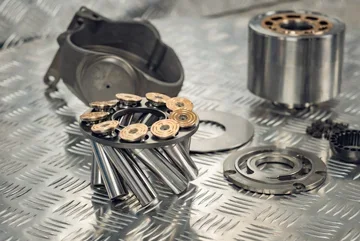
During the overhaul, a comprehensive rebuild of the crank-piston system was executed. Cylinder liners were replaced with new ones. New pistons, piston rings, and a complete set of main and connecting rod bearings were installed.
The crankshaft was measured and ground to the appropriate repair dimension. After machining, geometry control and balancing of the rotating assembly were performed.
Cylinder Head Regeneration
The engine cylinder head was completely disassembled. Resurfacing of the mating surface, replacement of valve guides, valves, and seals were performed. Upon completion of the work, the cylinder head passed the leakage test again.
Fuel System
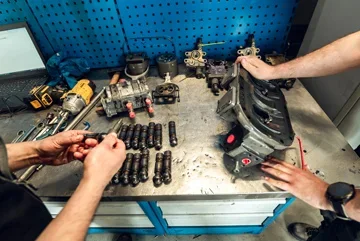
The injectors were tested on a specialized test bench. After verification, they were calibrated according to the manufacturer's specifications. The fuel supply pump and fuel lines were also checked.
Engine Accessories
The turbocharger underwent a detailed inspection and regeneration. The alternator, starter, pressure and temperature sensors, and the wiring harness were also verified. All seals, flexible hoses, and consumable components were replaced.
Professional Assembly of the Power Unit
The assembly of the engine was carried out in accordance with Cummins service documentation. All bolted connections were tightened to the appropriate torques using torque wrenches.
During assembly, particular attention was paid to maintaining proper installation clearances, correct timing alignment, and control of the lubrication system. Prior to assembly, each component was thoroughly cleaned and checked for dimensional compliance.
After completing the assembly, an initial priming of the oil system was performed, and the unit was prepared for testing on the engine dynamometer.
Testing the Cummins QSB 4.5 Engine on an Engine Dynamometer
One of the most important stages of the overhaul is testing the power unit on our engine dynamometer. This solution offers a huge advantage over standard workshops that only assemble engines. Thanks to the dynamometer, we are able to verify operating parameters even before installing the engine in the machine.
After completion of the overhaul, the Cummins QSB 4.5 engine was mounted on the test stand. First, the break-in process of the power unit was carried out. For over 16 hours, the engine operated under a partial load of approximately 20-30% of its nominal value.
During this stage, we constantly monitored the coolant temperature, oil temperature, lubrication pressure, combustion parameters, and fuel system operation. The tightness of all connections and the behavior of the new crank-piston system components were also inspected.
Upon completion of the break-in, tests under full load began. The engine operated repeatedly across various RPM ranges and load torques. We checked the stability of operating parameters, response to load changes, and the proper functioning of the turbocharger.
The dynamometer also allowed for evaluating the cooling system efficiency and lubrication effectiveness during long-term operation. All major operating parameters were recorded, providing the customer with confirmation of a properly executed overhaul.
After completing the tests, a report containing the test results was prepared. The engine achieved the required operating parameters and was approved for reinstallation in the Hyundai R140LC-9 excavator.
Engine Installation in the Hyundai R140LC-9 Excavator
After successful testing on the dynamometer, the unit was transported to the customer. Installation was carried out by our experienced mechanics. A crane provided by the machine owner was used to seat the engine.
The installation process included precisely seating the power unit on its mounting pads, connecting the cooling system, fuel system, electrical installation, and all hydraulic lines cooperating with the machine.
Intake hoses, hose clamps, and selected elements of the cooling system were replaced. After finishing the installation, the operating systems were bled, and an initial start of the engine was performed.
Next, multi-stage functional tests were performed. In the presence of the operator, the machine's operation was checked during working movements, superstructure rotation, and hydraulic systems operation under full load. Temperatures, pressures, and any potential leaks were monitored.
After finishing the trials, an installation protocol was drawn up, confirming the proper operation of the power unit and the machine's readiness for further operation.
Engine Maintenance After Overhaul
Every engine after an overhaul is covered by a warranty and the possibility of further service maintenance by WIBAKO. The customer received detailed operational recommendations regarding the initial period of the power unit's operation.
We recommend performing the first inspection after 50 operating hours. During the visit, our mechanics replace filters, check the tightness of all connections, and verify engine operating parameters. Subsequent inspections are carried out every 250 operating hours, but not less frequently than once every three months.