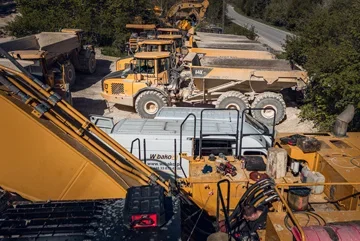


Liebherr D9508 A7 Engine Overhaul in Liebherr LTM 1300-6.2 Mobile Crane
Comprehensive Repair of the Liebherr D9508 A7 Engine in the Liebherr LTM 1300-6.2 All-Terrain Crane
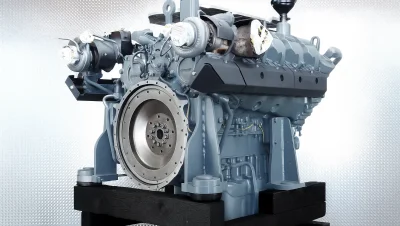
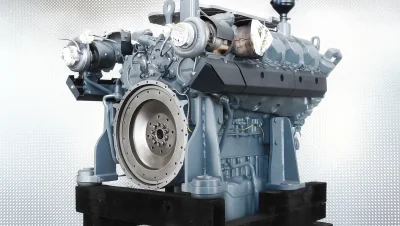
The Liebherr LTM 1300-6.2 mobile crane belongs to the group of modern all-terrain cranes used in large-scale infrastructure, energy, and industrial projects. The design of this machine allows for heavy lifting operations while maintaining high mobility and large lifting capacity. It is powered by the Liebherr D9508 A7 engine – a V8 diesel unit with an output of approximately 450 kW, also utilized in other heavy Liebherr machinery. This engine is characterized by high torque and the ability to operate under significant loads for many hours.
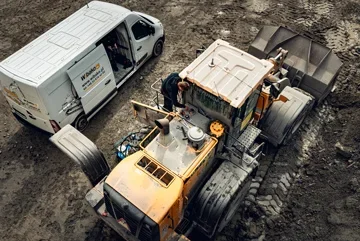
An engine from a Liebherr LTM 1300-6.2 crane, operating at a project near Katowice, arrived at our service facility. The operator reported a gradual loss of power, increased engine oil consumption, and heavy exhaust smoke under load. Initial diagnostics indicated significant wear on the cylinder-piston assembly. Our mobile service team carried out detailed diagnostics directly at the machine's operating site, followed by the disassembly of the power unit and transport of the engine to the WIBAKO facility in Kojszówka.
Initial Diagnostics of the Liebherr D9508 A7 Engine
Before beginning disassembly, we performed a series of tests to determine the actual condition of the power unit. The first stage involved analyzing the machine's operational history and interviewing the operator. This was followed by oil pressure measurements, monitoring operational parameters under load, and assessing the amount of blow-by into the crankcase.
In the subsequent stages, compression pressure measurements were taken for individual cylinders along with a cylinder leak test. The results showed significant variations between individual cylinders. Additionally, we used an endoscopic camera, which made it possible to inspect the surfaces of the cylinder liners and piston crowns without completely dismantling the engine.
The results obtained confirmed suspicions of excessive wear on the cylinders, piston rings, and parts of the crankshaft-piston assembly. Based on the diagnostics, the decision was made to perform a complete overhaul of the Liebherr D9508 A7 unit.
Engine Disassembly from the Liebherr LTM 1300-6.2 Crane
The disassembly of the engine was carried out by our mechanics at the machine's parking location. Due to the dimensions of the power unit, a crane provided by the customer was used. Work began by disconnecting the batteries and securing the electrical system.
Next, the intake system components, air ducts, fuel system, hydraulic lines interacting with the drive system, and cooling system components were disassembled. All lines and hoses were labeled to ensure a trouble-free reassembly after the overhaul.
The next stage involved disconnecting the clutches, engine mounts, and auxiliary equipment. After preparing the unit for removal, the engine was lifted using appropriate slings and transferred to the service vehicle. It was then transported to the WIBAKO facility, where a detailed inspection of all components began.
Engine Verification in the Workshop
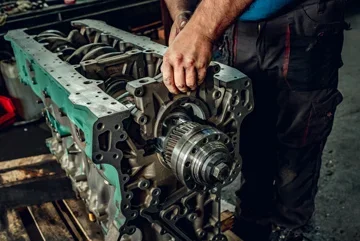
Once the unit arrived at the workshop, the dismantling process began. First, the free rotation of the crankshaft was verified, and an external visual inspection was performed. The engine was then completely stripped down to its component parts.
The verification of the crankshaft included visual inspection, measurements of the main and rod journals, inspection of the oil galleries, and crankshaft runout measurement. Wear was found on the surfaces mating with the bearings, but the component qualified for regeneration.
The connecting rods underwent geometric inspection, twist measurements, and a check of the fastening bolts. An evaluation of the weights of individual elements was also conducted. In the case of the pistons and cylinder liners, above-standard wear and signs of long-term operation were detected.
The cylinder heads were subjected to a leak test in a heated water bath. Valve guides, valve seats, and the integrity of the cooling passages were inspected. No cracks were detected during the tests, but the degree of component wear qualified the heads for full regeneration.
Additionally, the turbochargers, fuel system, injectors, starter motor, alternator, and other auxiliary equipment interacting with the engine were verified.
Regeneration of the Crankshaft-Piston System
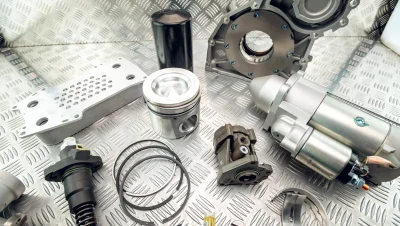
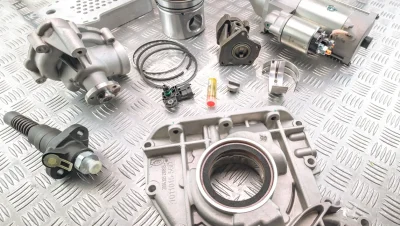
During the overhaul, a comprehensive rebuild of the crankshaft-piston system was performed. The crankshaft underwent grinding and was prepared for further operation. New main and rod bearings matching the manufacturer's specifications were installed.
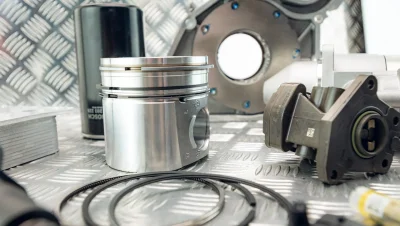
All cylinder liners were replaced with new ones. A set of new pistons along with piston rings was installed. The connecting rods were checked and prepared for further service after carrying out the necessary measurements.
Upon completion of the work, a detailed check of installation clearances and geometric measurements of the crankshaft-piston system was executed. This allowed us to achieve parameters consistent with the requirements of the Liebherr D9508 A7 unit.
Cylinder Head Regeneration
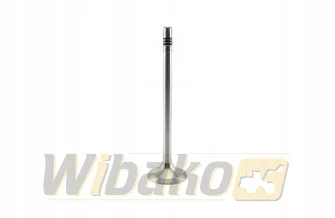
The regeneration of the heads included resurfacing the mating faces, replacing the valve guides, and installing new valves. Machining of the valve seats and a leak test after completion of the work were performed.
Each cylinder head was subjected to a leak test once again. This eliminated the risk of microcracks and cooling system-related problems during subsequent operation.
Fuel System and Auxiliary Components Repair
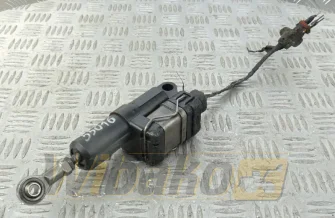
The fuel system was subjected to a detailed inspection. Injectors were tested on a test bench, and components that did not meet the manufacturer's parameters were replaced or regenerated. The supply pump and the tightness of the entire system were also inspected.
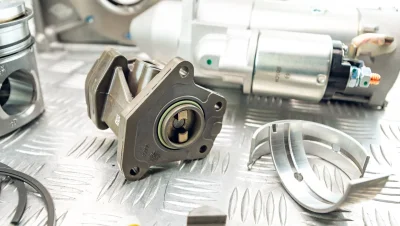
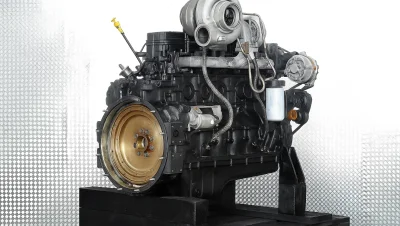
The turbochargers underwent inspection for axial and radial clearances. The condition of the intake ducts and the charge air cooling system was also verified. The starter motor and alternator were serviced and subjected to functional tests.
Professional Assembly of the Liebherr D9508 A7 Engine
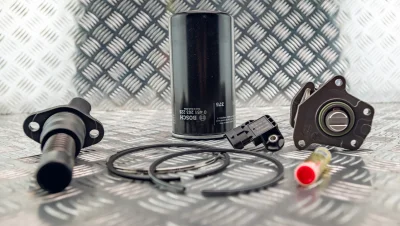
Following the completion of all regeneration processes, the assembly of the engine began. Every stage was executed in accordance with the manufacturer's technical documentation. New seals, mounting bolts requiring replacement, and a complete set of consumables were used.
During assembly, particular attention was paid to maintaining tightening torques, the sequence of component installation, and the precision of the timing setup. All oil galleries were cleaned, and the lubrication system was prepared for the initial startup.
After assembly was complete, a manual rotation check of the crankshaft and a series of control measurements were performed. Only after confirming the correctness of all parameters was the unit directed to the engine dynamometer.
Testing on the Engine Dynamometer
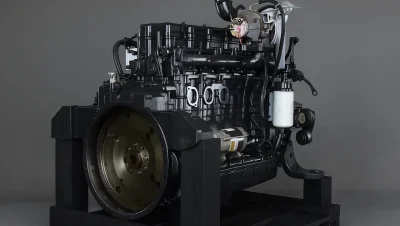
One of the most important stages carried out by WIBAKO is testing engines on a professional engine dynamometer. Thanks to this, the customer receives a verified power unit even before its installation in the machine. This solution is utilized by only a small number of companies involved in overhauling construction machinery engines.
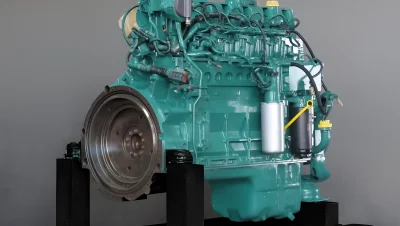
The Liebherr D9508 A7 engine was equipped with complete measuring apparatus allowing for the monitoring of coolant temperature, oil temperature, oil pressure, boost pressure, fuel parameters, and many other operational indicators. Before starting the actual tests, an initial startup procedure and a leak check of all systems were carried out.
For the first dozen or so hours, the unit operated under a load of approximately 20-30% of its nominal value. During this time, the bedding-in process of the interacting engine components was observed. Measurement data was regularly collected, and operational parameters were monitored.
After completing the break-in stage, multiple tests under increasing load were initiated. The dynamometer allows for the simulation of operating conditions encountered during the exploitation of the Liebherr LTM 1300-6.2 crane. It was possible to check the engine's behavior under both partial and full load.
During the tests, the stability of operating parameters, engine refinement, response to load changes, operating temperatures, and the tightness of all systems were analyzed. The operation of the fuel system and turbochargers was also monitored.
Thanks to the dynamometer, it was possible to detect and eliminate any potential irregularities before shipping the engine to the customer. After the completion of the tests, the unit achieved the required operating parameters and was approved for installation in the machine. It is this dynamometer testing stage that gives the customer confidence that the overhauled engine is ready for many years of operation and has been verified under conditions as close to reality as possible. Information regarding the output of approximately 450 kW and the application of this unit in LTM series cranes was additionally confirmed in available manufacturer technical data and industry documentation.
Engine Installation in the Liebherr LTM 1300-6.2 Crane
Following the completion of the tests, the engine was transported to the customer. Installation was carried out using a crane provided by the machine owner. The process began with preparing the engine compartment and inspecting all components interacting with the power unit.
Next, the engine was mounted into the machine frame, making mechanical connections according to the service documentation. The cooling system, fuel system, electrical installation, and all lines responsible for the correct operation of the auxiliary equipment were connected.
Particular attention was dedicated to the intake system. The tightness of all air duct connections, the condition of the clamps, and the connections between the turbochargers and the charge air cooler were checked. The coolant hoses and lubrication system were also verified.
After filling the operational fluids, the initial startup procedure was executed. Our mechanics participated in all tests along with the machine operator. Operating parameters were checked during driving, hydraulic system operation, and trial crane operations.
Following the successful completion of all tests, installation documentation was prepared, and the machine acceptance protocol was signed.
Post-Overhaul Engine Maintenance
Every engine leaving the WIBAKO facility is covered by a warranty and the option for further service maintenance. After approximately 50 operating hours from the startup, our technicians perform the first inspection, including filter replacement, checking system tightness, and inspecting all connections between the engine and the machine.
We recommend performing subsequent inspections every 250 operating hours or at least once every three months. This allows the power unit to be maintained in optimal technical condition for many years of operation.
Machines Utilizing the Liebherr D9508 A7 Engine
The Liebherr D9508 A7 engine is used in many heavy machines and cranes by the manufacturer Liebherr. This unit can be found, among others, in selected models of the LTM mobile crane series, including the LTM 1300-6.2, LTM 1500-8.1, and other specialized designs requiring high power and reliability.
Summary
The completed overhaul of the Liebherr D9508 A7 engine included full diagnostics, rebuilding of the crankshaft-piston system, cylinder head regeneration, fuel system repair, auxiliary equipment inspection, engine dynamometer testing, and installation in the Liebherr LTM 1300-6.2 mobile crane. Thanks to this comprehensive approach, the customer received a proven power unit prepared for further intensive operation.
If you are interested in professional construction machinery service, a Liebherr D9508 A7 engine overhaul, Liebherr LTM 1300-6.2 crane repair, or diagnostics on an engine dynamometer, please contact the WIBAKO team. We perform engine removals and installations throughout Poland and provide full service support after the overhaul is complete.
Internal Linking:
Liebherr Engine Overhauls
Liebherr Mobile Crane Service
WIBAKO Engine Dynamometer
Mobile Construction Machinery Service
Liebherr D9508 A7 Engine Overhaul
Do you need a Liebherr D9508 A7 engine repair or service for a Liebherr LTM 1300-6.2 crane? Contact WIBAKO. We perform comprehensive diesel engine overhauls, engine dynamometer testing, as well as installation and removal of power units throughout Poland.