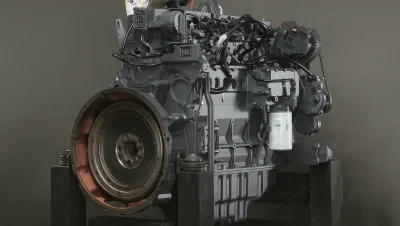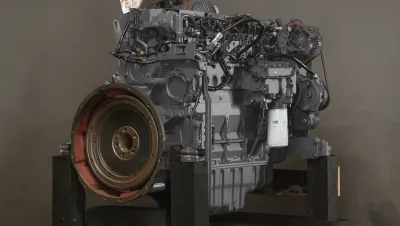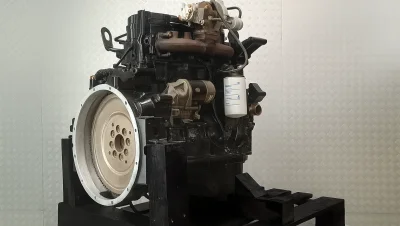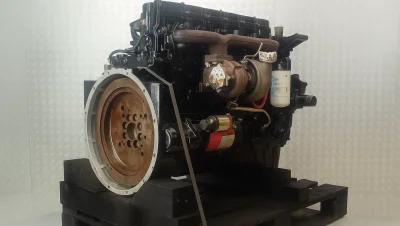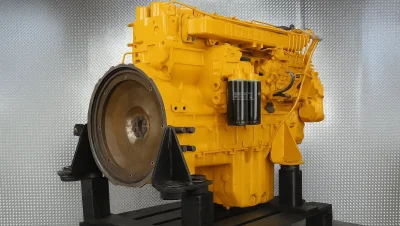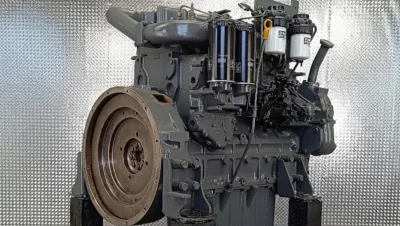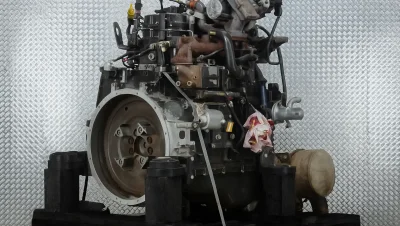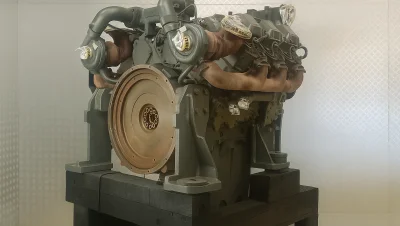


Overhaul of the Cummins QSB6.7 Engine (145 kW) in a SANY SY265C Crawler Excavator
Comprehensive Service for the SANY SY265C Crawler Excavator
The SANY SY265C crawler excavator is one of the popular machines used for earthworks, road construction, demolition, and infrastructure projects. The machine is equipped with a Cummins QSB6.7 engine rated at 145 kW, valued for its smooth operation, good flexibility, and ability to work under heavy loads for many hours each day.
The owner of an excavator operating near Katowice in the Silesian Voivodeship contacted our service department. Operators noticed a gradual loss of engine power, increased oil consumption, and significant exhaust smoke under load. Additionally, the engine struggled to maintain proper operating parameters when the hydraulic system was under full load. After an initial consultation, our mobile service team traveled to the machine’s worksite to perform basic diagnostics.
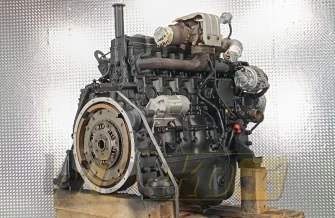
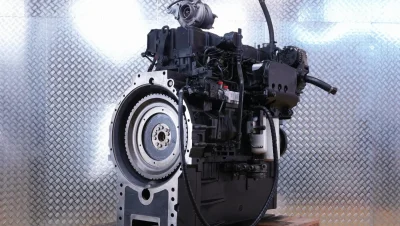
The Cummins QSB6.7 is a six-cylinder diesel engine used not only in SANY excavators, but also in loaders, graders, crushers, and other off-highway machinery. Cummins has specialized in industrial engines designed for heavy-duty operating conditions for many years. These engines are characterized by high torque and strong resistance to intensive use; however, after high operating hours they require professional servicing.
After performing preliminary compression pressure measurements and analyzing engine operating parameters, we identified wear in the cylinders and pistons. In addition, endoscopic inspection revealed excessive wear marks on the cylinder liner surfaces. A decision was made to carry out a complete engine overhaul and remove the power unit from the machine.
Initial Diagnostics of the Cummins QSB6.7 Engine
Before starting disassembly, we performed detailed diagnostics of the SANY SY265C excavator directly at the customer’s site. Our mobile service team analyzed engine operating parameters under load, checked oil pressure, and performed a compression test on all cylinders.
During the initial inspection, the operator reported increased exhaust smoke during acceleration and noticeable deterioration in hydraulic system performance. In the first stage, we checked the intake system, air line tightness, and turbocharger condition. We then carried out an engine oil analysis, which revealed an increased amount of fine metal particles indicating progressive wear of the crank-piston assembly components.
The next stage involved checking compression pressure. Measurement results showed uneven values between cylinders. To confirm the cause, we additionally performed an endoscopic inspection of the cylinder interiors. The diagnostic camera revealed clear signs of liner wear and carbon deposits on the pistons.
Based on the completed diagnostics, we established the scope of the engine overhaul. The customer decided on a complete rebuild of the power unit together with engine dynamometer testing before reinstallation in the machine.
Removal of the Engine from the SANY SY265C Excavator
The engine removal was performed by our mobile service team directly at the construction site near Katowice. The customer provided a crane necessary for the safe extraction of the power unit from the crawler excavator engine compartment.
The process began with disconnecting the batteries and securing the machine’s electrical system. The mechanics then drained the cooling system and lubrication system. All fuel, hydraulic, and air lines were carefully labeled to ensure proper sequence during reassembly.
Special attention was paid to protecting the intake system and charge air cooler. In SANY SY265C excavators, the working space around the engine is limited, therefore removal requires proper preparation and service experience.
After disconnecting engine accessories, we removed the radiators, intake piping, turbocharger, and exhaust system components. Next, the engine mounts and the connection to the machine’s hydraulic system were disconnected.
The Cummins QSB6.7 unit was removed using a crane and specialized lifting equipment. After securing the engine, we prepared it for transport to our headquarters in Kojszówka, where a complete inspection and major overhaul were carried out.
Inspection of the Cummins QSB6.7 Engine After Removal
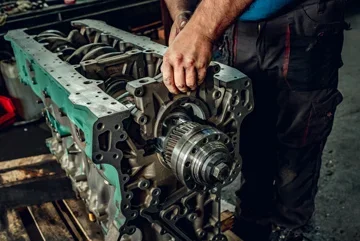
After delivering the engine to our workshop, we began a detailed disassembly of the power unit. In the first stage, we checked the possibility of full crankshaft rotation and assessed the condition of the main mechanical components.
After dismantling the engine, our earlier assumptions regarding wear of the crank-piston system were confirmed. The cylinder liners showed clear wear marks, and the piston rings had lost proper sealing capability. Signs of overheating were also visible on the piston surfaces.
As part of crankshaft inspection, we measured the main and connecting rod journals, checked the oil passages, and verified crankshaft runout. The crankshaft qualified for reconditioning through grinding.
The mechanics also inspected the connecting rods for twisting and possible deformation. All components underwent thorough industrial cleaning.
The cylinder head inspection included a leak test in a heated water bath and valve seat inspection. The cylinder head showed no cracks; however, wear of the valve guides and exhaust valves was identified.
The turbocharger was also checked for radial and axial play. Due to wear of the rotating assembly, turbocharger regeneration was recommended.
Reconditioning of the Crank-Piston Assembly
The repair of the Cummins QSB6.7 engine included a comprehensive rebuild of the crank-piston assembly. First, we regenerated the crankshaft by professionally grinding the journals. After machining, the crankshaft was checked again for geometry and balance.
The engine was fitted with new cylinder liners, pistons, and a complete set of piston rings. New main and connecting rod bearings compliant with Cummins specifications were also installed.
The connecting rods were inspected for straightness and weight consistency. All connecting rod bolts were replaced with new ones. Particular attention was paid to correct assembly clearances, which have a major impact on engine durability after overhaul.
The lubrication system was thoroughly cleaned. Oil passages were blown through and checked for blockage. The oil pump and all engine seals were also replaced.
Regeneration of the Cylinder Head and Fuel System
The engine cylinder head underwent resurfacing and comprehensive regeneration. Valve guides, valves, and seals were replaced. After machining, another leak test was performed.
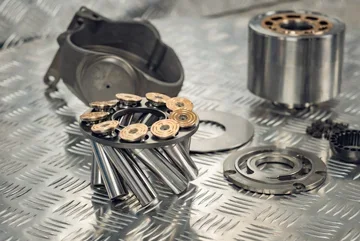
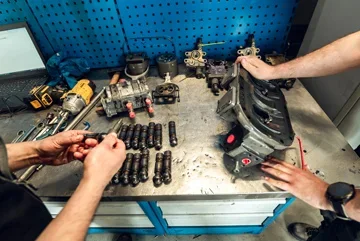
The fuel system of the Cummins QSB6.7 engine was thoroughly tested on a test bench. The injectors showed uneven fuel delivery, therefore regeneration and calibration were carried out.
The supply pump and fuel lines were also inspected. All fuel filters were replaced with new service components.
The turbocharger and alternator were also reconditioned. The starter motor was disassembled, cleaned, and equipped with new wear components.
Professional Assembly of the Cummins QSB6.7 Engine
After completing regeneration of all components, we began professional engine assembly. The assembly process was performed in accordance with Cummins service documentation.
Each component was carefully checked for dimensions and cleanliness before installation. The mechanics paid particular attention to correct bolt torque specifications and proper timing adjustment.
During assembly, all seals, rubber hoses, and consumable components were replaced. Particular attention was paid to the tightness of the cooling system and intake system.
After assembling the engine, we pre-filled the lubrication system and checked oil pressure before the first startup. This minimized the risk of components operating without proper lubrication.
The engine was then prepared for long-duration dynamometer testing, which is one of the most important stages of our work.
Testing the Cummins QSB6.7 Engine on an Engine Dynamometer
One of the key stages of the project was testing the engine on our engine dynamometer. For industrial engines used in construction machinery, proper verification of operating parameters before installation in the machine is crucial for long-term reliability.
The Cummins QSB6.7 engine was mounted on a test stand equipped with a controlled load system. Before the actual test began, we carried out fuel system bleeding and pre-lubrication procedures.
The first startup took place under constant supervision by mechanics and diagnostic technicians. We monitored operating temperature, oil pressure, combustion parameters, and the tightness of all systems.
During the first hours, the engine operated under light load at approximately 20–30% of nominal value. This is a very important break-in stage after overhaul. It allows proper seating of the piston rings and verification of stable operating parameters.
After completing the initial testing stage, we gradually increased engine load. The dynamometer allows precise verification of engine behavior under full torque conditions. During testing, coolant temperature, exhaust gas temperature, and boost pressure were also monitored.
Our engine dynamometer allows detection of potential irregularities before engine installation in the machine. As a result, the customer receives a tested power unit verified under conditions similar to actual excavator operation.
In the case of the Cummins QSB6.7 engine, testing lasted more than 16 hours. During this time, multiple load changes were performed and parameters were monitored after the engine reached operating temperature.
After completing the tests, we carried out a leak inspection and another oil analysis. All parameters were within manufacturer specifications. Only after successful completion of testing was the engine approved for installation in the SANY SY265C crawler excavator.
Installation of the Engine in the SANY SY265C Crawler Excavator
The installation of the rebuilt engine was again performed at the construction site near Katowice. The customer provided a crane enabling safe placement of the power unit into the engine compartment.
The installation process began with careful preparation of the engine compartment. We checked the condition of mounting cushions, hydraulic hoses, and all systems cooperating with the power unit.
After positioning the Cummins QSB6.7 engine, we precisely connected it to the hydraulic and drive systems of the excavator. The mechanics connected all fuel lines, the cooling system, intake piping, and the electrical installation.
Special attention was paid to intake system tightness and proper routing of air lines. Some clamps and rubber components showing signs of wear were also replaced.
After completing installation, the fuel system was bled and all operating fluids were filled. We then performed the first engine startup in the presence of the machine operator.
During testing, we checked engine response under hydraulic load, proper cooling system operation, and stability of operating parameters across different RPM ranges. The excavator underwent many hours of operational testing.
After successful completion of the tests, the installation protocol was signed and the machine was handed back to the customer for further operation.
Post-Overhaul Service Support
Every engine after overhaul requires proper service support. The customer received detailed recommendations regarding the first operating hours of the Cummins QSB6.7 engine.
We recommended performing the first inspection after 50 operating hours. Our mobile service team will carry out leak checks, filter replacement, and inspection of all connections between the engine and excavator accessories.
Subsequent periodic inspections should be performed every 250 operating hours or at least every 3 months. Regular servicing significantly extends engine life and reduces the risk of costly failures.
Machines Using the Cummins QSB6.7 Engine
The Cummins QSB6.7 engine is used in many construction and industrial machines. Apart from the SANY SY265C crawler excavator, this engine can also be found in wheel loaders, graders, crushers, screeners, and industrial power units.
Our service department performs comprehensive overhauls of Cummins engines installed in machinery from various manufacturers. We carry out both workshop repairs and mobile engine removal and installation directly at the customer’s site.
Summary of the Cummins QSB6.7 Engine Overhaul
The comprehensive overhaul of the Cummins QSB6.7 engine in the SANY SY265C crawler excavator restored full machine performance and ensured reliable future operation.
Thanks to detailed diagnostics, professional component regeneration, and dynamometer testing, the customer received a fully tested power unit ready for operation under heavy load.
We specialize in services such as construction machinery servicing, Cummins diesel engine overhauls, crawler excavator repairs, and professional engine dynamometer testing. We perform mobile engine removal and installation throughout Poland.
Related services:
Cummins Engine Overhauls for Construction Machinery
SANY Crawler Excavator Service
Engine Dynamometer Testing
Mobile Construction Machinery Service
Cummins QSB6.7 Engine Overhaul in a SANY SY265C Excavator
Need a Cummins QSB6.7 engine overhaul or service for your SANY SY265C crawler excavator? WE PROVIDE comprehensive diesel engine repairs, mobile engine removal and installation, and professional engine dynamometer testing.