

Volvo D7D Engine Overhaul in a Volvo EC290B Crawler Excavator - Comprehensive Engine Repair
The Volvo EC290B crawler excavator is designed for demanding earthmoving operations, excavation work, infrastructure projects and material handling. Its construction has been developed to ensure reliable operation under heavy loads and in challenging working conditions. One of the key components responsible for the machine's performance is the Volvo D7D diesel engine. In machines that have been operated intensively for many years, the technical condition of the engine has a direct impact on overall productivity.
In this case, the reason for sending the Volvo EC290B for repair was a gradual loss of engine power accompanied by increased engine oil consumption. The operator also noticed a deterioration in the machine's response during more demanding operations. These symptoms became more noticeable under load, indicating a possible problem with maintaining the correct compression pressure inside the cylinders.
Initial findings suggested natural wear of the engine's crankshaft and piston assembly. In such situations, simply replacing basic service components does not solve the problem, as the cause may be located inside the engine. A detailed diagnosis, engine removal and inspection of individual components in our workshop were therefore necessary.
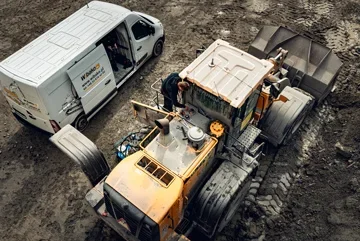
We began working on the Volvo EC290B with diagnostics at the machine's operating location. Our construction machinery service department performs both workshop repairs and work directly at the customer's site. For extensive engine overhauls, we carry out removal at the customer's premises and then transport the engine to our headquarters in Kojszówka, where we have the technical facilities required for comprehensive diesel engine rebuilding.
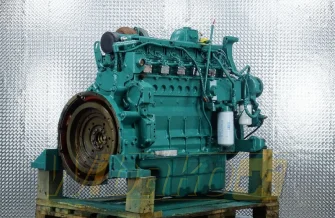
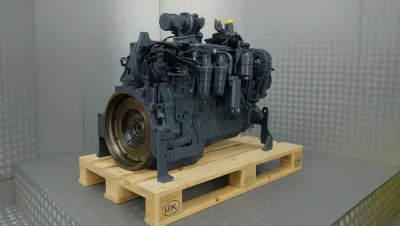
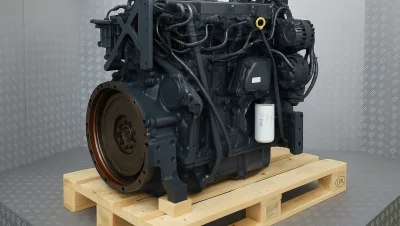
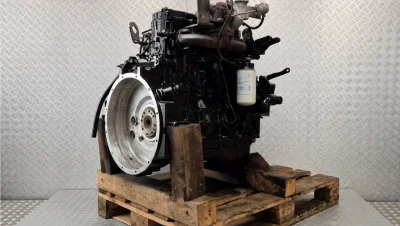
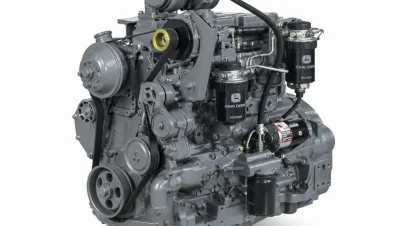
The Volvo D7D is a six-cylinder diesel engine used, among other applications, in Volvo EC290B crawler excavators. Depending on the version and configuration, the engine delivers approximately 143 kW (192 hp). It features direct fuel injection, turbocharging and liquid cooling. This design provides the performance required for operating machinery under varying load conditions. At the same time, it requires the proper technical condition of the lubrication system, cooling system, fuel supply system and mechanical components.
A comprehensive Volvo D7D overhaul therefore involves not only replacing worn parts but also carefully assessing all components that work together within the engine. Maintaining the correct assembly tolerances and testing the unit after completing the work are particularly important. This is why testing the engine on our engine dynamometer before reinstalling it in the excavator is an essential part of our service.
Volvo EC290B Diagnostics Before Engine Removal
Before deciding to remove the engine, we needed to confirm that the symptoms reported by the operator were actually caused by problems with the Volvo D7D power unit. A loss of power in a crawler excavator does not always mean that an engine overhaul is necessary. Similar symptoms can also be caused by fuel system faults, restricted airflow, turbocharging problems or malfunctions affecting the hydraulic system.
Our diagnostic process began with a discussion with the machine operator. Information about when the problems occurred, changes in engine behaviour and the machine's operating history helped us narrow down the possible causes. In the case of the Volvo EC290B, it was particularly important to establish whether the power loss occurred continuously or mainly during operations requiring higher engine loads.
Next, we checked the basic operating parameters of the power unit. We inspected the engine oil and coolant levels, the condition of visible hoses and the tightness of the systems. We also assessed the condition of the filters and air intake components. Restricted airflow can negatively affect the combustion process, so eliminating this possibility was necessary before proceeding with more advanced testing.
The next stage involved inspecting the turbocharging system. The turbocharger supplies the cylinders with the required amount of air, which directly affects the engine's power output. We checked the condition of the air hoses, connections and other components for possible leaks. We also inspected the turbocharger, paying particular attention to excessive axial and radial shaft play.
Another important part of the diagnostics was checking the lubrication system. Increased engine oil consumption can result from problems with the turbocharger as well as excessive wear of piston rings, cylinder liners or other engine components. For this reason, we did not focus on just one potential cause. We also assessed the overall condition of the engine and monitored its operating parameters.
Due to suspected wear of the crankshaft and piston assembly, we decided to carry out more extensive diagnostics. We performed compression pressure measurements to assess the sealing condition of individual cylinders. Where applicable, additional methods include cylinder leak-down testing and inspecting the combustion chambers using an endoscopic camera.
The results indicated deteriorating cylinder sealing. Combined with increased oil consumption and gradual power loss, this provided sufficient grounds to qualify the Volvo D7D engine for further workshop inspection. To determine the full extent of the damage and restore the engine's proper operating parameters, removal from the Volvo EC290B crawler excavator was necessary.
Removing the Volvo D7D Engine from the EC290B Crawler Excavator
Removing an engine from a machine of this class requires proper preparation of the work area and compliance with the correct sequence of operations. The Volvo EC290B is a heavy crawler excavator, so removing its power unit requires consideration of both the engine compartment design and the arrangement of the components connected to it.
After securing the machine, our mechanics began preparing the Volvo D7D engine for removal. First, the batteries and electrical system were disconnected. We then carried out the necessary procedures to drain the relevant fluids and secure the hoses, preventing accidental leaks during subsequent work.
The next stage involved disconnecting the engine accessories. Depending on the Volvo EC290B configuration, this includes disconnecting the cooling system hoses, air intake, exhaust system and fuel lines. Particular attention was paid to protecting the hoses and connection points. Even small contaminants entering the fuel or lubrication system can cause serious problems during subsequent operation.
Once the electrical connections and accessories had been disconnected, we proceeded to release the engine mounts. A crane provided by the customer was used for this operation. The engine was gradually supported while our mechanics removed the mounting bolts. This procedure helps prevent uncontrolled engine movement and damage to components located inside the engine compartment.
After all mounting points had been released, the engine was carefully lifted out of the Volvo EC290B. During lifting, our mechanics continuously monitored the position of the unit and its distance from the surrounding components. Particular care was taken to avoid contact with hoses, structural elements and other installations located near the engine.
Once removal was complete, we carried out an additional inspection of the engine compartment. We checked the mounts, accessible hoses, connections and components that could only be properly assessed after removing the power unit. This is a good opportunity to identify potential leaks, damaged hoses or worn mounting components.
The removed Volvo D7D engine was properly secured and prepared for transport to our headquarters in Kojszówka. There, we began a detailed inspection of its components and determined the final scope of the overhaul. Our mobile service team also performs engine removal and installation on-site, meaning customers do not have to organise all the work associated with power unit maintenance themselves.
Inspection of Volvo D7D Engine Components in Our Workshop
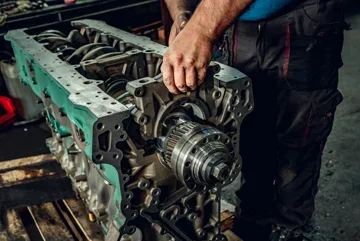
After the power unit arrived at our workshop, we began preparing it for disassembly. The first step was to check the engine's completeness and assess any visible damage. We then removed the accessories, covers, oil sump and other structural components. Each removed part was properly identified and prepared for cleaning and further measurements.
The inspection of the Volvo D7D involved carefully examining the components responsible for the engine's correct operation. We do not automatically assume that only one component has failed. In engines that have been operating for many years, wear often affects several components working together. This is why every part requires an individual assessment.
After disassembly, the components were cleaned. Removing oil deposits, carbon buildup and other contaminants makes it possible to assess their condition more accurately. Only after proper preparation can measurements be taken and decisions made regarding which components can be reused and which require replacement or reconditioning.
The crankshaft and piston assembly was one of the most important areas of our inspection. We checked the condition of the pistons, piston rings, cylinder liners, connecting rods and crankshaft. Particular attention was paid to mating surfaces, signs of overheating, scratches and evidence of improper lubrication.
In the case of cylinder liners, it is important to determine the degree of wear on the working surface. We measure the internal diameters at several points and in different directions to establish whether ovality or taper is present. We also check for deep scratches and other damage that could affect the sealing of the piston assembly. The measurement results allow us to determine whether the liners can be reused or need replacing.
The pistons were inspected for damage to the crowns, skirts and piston ring grooves. We also assessed the condition of the piston rings, which are responsible, among other things, for maintaining proper sealing between the pistons and cylinder liners. Excessive wear of these components can allow oil to enter the combustion chamber, increase oil consumption and reduce compression pressure.
The connecting rods underwent visual inspection and measurements to check for possible twisting and bending. We also examined the surfaces that work with the bearings and the condition of the fastening components. Connecting rods must maintain the correct geometry, as even minor deviations can negatively affect the operation of the crankshaft and piston assembly.
The crankshaft underwent a detailed visual and dimensional inspection. We checked the main journals and connecting rod journals for signs of seizure, overheating and uneven wear. We measured the journal diameters and assessed crankshaft runout. We also inspected the oil passages, as their cleanliness and unrestricted flow are essential for proper bearing lubrication.
We then checked the condition of the main and connecting rod bearings. Their surfaces can often reveal the nature of previous lubrication problems. Any signs of excessive wear, discolouration or damage to the working layer require careful analysis before the engine is reassembled.
The engine cylinder head of the Volvo D7D was removed and prepared for a separate inspection. We checked the condition of the valves, valve guides, valve seats and the cylinder head mating surface. We also looked for possible cracks and signs of overheating.
An important part of the inspection was the cylinder head pressure test. This procedure involves preparing the component, placing it in heated water and supplying compressed air to the cooling passages. Air bubbles may indicate leaks or internal cracks. This test helps establish whether the cylinder head can be reused after the necessary repair work.
We also checked valve clearances and the condition of the surfaces working with the valve train components. Proper valve operation directly affects cylinder filling with air and the removal of exhaust gases. Poor valve sealing can cause compression loss, starting problems and reduced engine power.
The turbocharger was inspected separately. We checked the condition of the turbine wheel, housing and any axial or radial shaft play. We also assessed the surfaces of the oil and air pipe connections. Since boost pressure problems can affect engine performance, we never overlook this component during a comprehensive power unit overhaul.
After completing all measurements and inspections, we were able to determine the work required to restore the Volvo D7D to proper operating condition. Wear of the crankshaft and piston assembly was confirmed, explaining the previously observed loss of cylinder compression. Further work included preparing the replacement components, reconditioning the cylinder head and replacing worn and damaged parts.
Comprehensive Volvo D7D Engine Overhaul and Reconditioning
After completing the inspection, we proceeded with the actual overhaul of the Volvo D7D engine. The scope of repairs was determined based on the actual condition of individual components rather than solely on the symptoms observed while the excavator was operating. This approach helps prevent components from being overlooked and requiring further service work shortly after the overhaul.
Repair of the Crankshaft and Piston Assembly
We began by preparing the components of the crankshaft and piston assembly. The crankshaft underwent dimensional inspection, and its journals were assessed to determine whether they could continue to be used. If the dimensions exceed the permitted limits or surface damage is present, appropriate reconditioning is necessary. Crankshaft grinding must take into account the correct repair dimensions and the subsequent selection of suitable bearings.
An important part of the repair involved preparing the surfaces that work with the bearings. After machining, the crankshaft must meet the required dimensional and surface finish specifications. We also check the oil passages to ensure proper oil flow to the most important lubrication points.
Worn piston assembly components were replaced. New piston rings must be correctly matched to the dimensions of the cylinder liners and pistons. Maintaining the correct clearances and checking the position of the ring gaps are essential. Incorrect installation can allow combustion gases to enter the crankcase and increase oil consumption.
When preparing the pistons, we also inspected the condition of the ring grooves and guide surfaces. All components were thoroughly cleaned before reassembly. Cylinder liners must maintain the correct dimensions and an appropriate working surface for the piston rings. The quality of these mating surfaces is particularly important for achieving proper compression.
The connecting rods were prepared for reassembly after their geometry had been checked. We inspected the bearing surfaces, bores and fastening components. Checking the connecting rod bolts is particularly important because these components are subjected to significant loads during engine operation, resulting from piston movement and combustion forces.
During assembly of the crankshaft and piston system, we maintained the required cleanliness and followed the correct installation sequence. Each component was prepared according to the applicable technical requirements. Particular attention was paid to correct bearing installation, clearance measurements and proper tightening of all bolted connections.
Engine Cylinder Head Reconditioning
At the same time, we carried out work to prepare the Volvo D7D cylinder head. After completing the inspection, the cylinder head was sent for the appropriate machining operations. The reconditioning process included surface preparation, resurfacing and replacement of worn valve train components.
We replaced the valve guides, whose condition directly affects the correct guidance of the valve stems. Excessive clearance can cause improper valve operation, increased oil consumption and reduced combustion chamber sealing. New guides restore the correct working conditions between these components.
As part of the reconditioning process, we also replaced the valves. Their working surfaces and contact with the valve seats are essential for maintaining compression pressure. After completing the work, we checked the correct seating of the valves and the sealing of the entire system.
Resurfacing the cylinder head provides the correct mating surface between the head and the engine block. Before carrying out this operation, it is necessary to check whether the component is suitable for machining and whether the required dimensions can be maintained afterwards. Removing too much material can affect the engine geometry and operating conditions.
After reconditioning, the cylinder head was inspected again. We checked the surface condition, sealing and quality of the completed work. Only after obtaining the appropriate results could the component be prepared for installation on the engine block.
Fuel System and Engine Accessories Inspection
During the Volvo D7D overhaul, we also paid attention to the fuel system. Correct fuel delivery is important for engine performance, smooth operation and fuel consumption. In diesel engines, fuel injection system malfunctions can cause uneven cylinder operation, excessive smoke and difficulties in achieving the required power output.
The fuel system components were assessed for their technical condition and suitability for further operation. If any irregularities are identified, the injection pump can be sent to a specialist facility equipped with a test bench. This allows its operating parameters to be checked and the necessary reconditioning work to be determined. For this repair, the scope of work on the fuel system was adjusted to the results of the inspection.
We also inspected the engine accessories. The checks included the condition of the turbocharger, starter motor, alternator and other mechanical and electrical components working with the power unit. In the case of the turbocharger, maintaining the correct shaft clearances and proper lubrication is essential. If excessive wear is detected, the component must be reconditioned or replaced before the engine is restarted.
Inspecting the accessories helps reduce the risk of further problems after the engine has been installed in the excavator. Even a properly completed mechanical overhaul will not deliver the expected results if the components working with the engine are not functioning correctly.
Professional Volvo D7D Engine Assembly
After reconditioning and preparing all the components, we proceeded with engine assembly. This is one of the most important stages of the entire overhaul. Correct assembly sequence, precision and cleanliness have a direct impact on the subsequent durability of the power unit.
Before starting assembly, we inspected all prepared components again. Mating surfaces were cleaned, and the oil passages and lubrication system components were checked for unrestricted flow. All parts must be free from machining residues, metal particles and other contaminants that could damage the engine during its first hours of operation.
First, we assembled the crankshaft and piston system. The crankshaft was installed in the prepared bearing housings using correctly selected bearings. We then checked the clearances and proper seating of the components. The next step was installing the pistons together with the connecting rods. During this operation, maintaining the correct installation direction and carefully inserting the pistons into the cylinder liners are particularly important.
After assembling the main components of the crankshaft and piston system, we installed the remaining block components. We then prepared the surfaces for cylinder head installation. The sealing between the cylinder head and the block must be carried out in accordance with the manufacturer's requirements, as it determines the sealing of the combustion chambers as well as the oil and coolant passages.
The cylinder head was installed on the block using the appropriate sealing and fastening components. The bolts were tightened according to the specified procedure, taking into account the required tightening sequence and torque values. We then proceeded with installing the valve train components and the remaining accessories.
After assembling the main components, we installed the oil sump, covers and other structural parts. We also prepared the lubrication and cooling systems. All connections were carefully inspected to ensure correct installation and proper sealing.
Finally, we installed the engine accessories, including the intake system components, turbocharger and other parts prepared for reuse. We also checked the correctness of all connections and ensured that the crankshaft could rotate freely after assembly.
The completed Volvo D7D engine was then prepared for the next stage: starting and testing on our engine dynamometer. This allowed us to check the unit's performance after the overhaul before reinstalling it in the Volvo EC290B excavator.
Volvo D7D Engine Testing on the WIBAKO Engine Dynamometer
One of the important elements of comprehensive engine overhauls at WIBAKO is our ability to test power units on an engine dynamometer. This solution allows us to verify the quality of the completed repair before delivering the engine for reinstallation in the machine. In the case of the Volvo D7D, carrying out load tests was particularly important due to the previous symptoms involving power loss and increased oil consumption.
An engine dynamometer allows power units to be tested under controlled operating conditions. Unlike a short engine run without load, we can assess its performance under specific load values. This makes it possible to check whether the engine maintains stable operating parameters and whether all components are working together correctly.
Before starting the test, the Volvo D7D engine was properly prepared for operation on the test stand. We checked the fluid levels, correct hose connections and the condition of the main systems. We then performed the procedures necessary for safe engine starting. The first minutes of operation are particularly important, as they allow us to assess the engine's behaviour after assembly and identify any potential irregularities.
During the initial testing phase, we primarily monitored oil pressure, coolant temperature and engine speed stability. We also observed the engine for unusual noises, vibrations and possible leaks. Particular attention was paid to the lubrication system, as its correct operation is essential for protecting new and reconditioned mechanical components.
The engine break-in process after an overhaul begins with operation under relatively low load. The engine runs for a minimum of 16 hours under light operating conditions, corresponding to approximately 20-30% of its rated load. This stage allows the mating surfaces of cooperating components, particularly piston rings and cylinder liners, to gradually adapt to one another.
During the break-in period, the procedure is not simply about maintaining a specific engine speed. Continuous monitoring of the operating parameters is equally important. We monitor operating temperature, oil pressure and the stability of individual systems. We also pay attention to any changes in engine behaviour that could indicate improper interaction between the components.
After completing the initial operating period and confirming that the engine maintains stable parameters, we proceed with further tests. We gradually increase the engine load while observing its response to changing conditions. The tests include repeated transitions between different load levels. This allows us to verify whether the power unit responds correctly to changes in power demand.
An important part of the testing process is assessing engine behaviour under higher loads. During operation, the Volvo EC290B performs tasks that require the appropriate torque characteristics and a stable power supply. Therefore, testing the engine on a dynamometer should not be limited to idling or operation under light load.
During subsequent tests, we observe whether the engine maintains stable speeds, operates without abnormal vibrations and maintains the correct operating parameters. We also monitor temperature and oil pressure as the load changes. If any deviations occur, we can stop the test and carry out additional inspections before continuing.
The dynamometer also allows us to check whether the engine continues to operate correctly after an extended period of running. Some irregularities do not appear immediately after starting but only become noticeable once the engine has warmed up or is operating under higher load. This is why multi-stage testing is an important part of post-overhaul quality control.
In the case of the Volvo D7D, particular attention was paid to operating stability and the engine's behaviour after repairing the crankshaft and piston assembly. This was the area responsible for the previous problems with compression loss and increased oil consumption. The tests allowed us to assess whether the completed repairs had restored the correct engine operating conditions.
It is worth emphasising that an engine dynamometer is not simply a device for measuring power. Above all, it is a test stand that enables a controlled break-in process and an assessment of the engine under conditions similar to those encountered during actual operation. This allows us to identify potential problems before the engine is reinstalled in the machine.
After completing the load tests, we carried out a final inspection of the operating parameters and system tightness. We checked the connections, assessed the operation of the accessories and confirmed that the engine showed no signs of abnormal behaviour. Only after successfully completing these tests was the unit prepared for transport and installation in the Volvo EC290B excavator.
The ability to test engines before installation in machinery is an important advantage of our service facilities. Customers receive a power unit that has undergone not only mechanical overhaul but also a controlled starting and load-testing process. This reduces the risk of problems caused by incorrect engine operation after installation has been completed.
Installing the Overhauled Engine in the Volvo EC290B Excavator
After successfully completing the dynamometer tests, we began preparing the Volvo D7D engine for reinstallation in the Volvo EC290B crawler excavator. This stage requires just as much precision as the engine overhaul itself. Even a properly rebuilt engine must be correctly installed and connected to the machine's other systems to operate according to the manufacturer's specifications.
Before starting work, we inspected the engine compartment and the components that had been disconnected during removal. We assessed the mounts, mounting surfaces and accessible hoses. Particular attention was paid to areas where previous leaks or mechanical damage might have occurred. If worn hoses or mounting components are identified during inspection, their condition must be addressed before installation begins.
A crane provided by the customer was used to reinstall the power unit. The engine was properly suspended and gradually lowered into the Volvo EC290B engine compartment. Throughout the process, our mechanics monitored its position and distance from the surrounding components. Precise alignment with the mounting points was particularly important to avoid stress and incorrect positioning.
After positioning the engine correctly, we proceeded with installing the engine mounts. We checked that they were properly seated and that the entire unit was stable. We then installed the components connecting the engine to the machine's drive system, ensuring that all cooperating parts were correctly positioned.
The next stage involved connecting the electrical system. We installed and connected the wiring and connectors responsible for transmitting signals between the engine and the machine's electrical system. Every connection was checked to ensure proper seating and protection. Incorrectly connected wiring can cause starting problems or incorrect operating parameter readings.
We also devoted considerable attention to the cooling system. We connected the coolant hoses and checked their routing. The inspection included the condition of clamps, connections and sealing surfaces. After filling the system, it was necessary to check for leaks and confirm proper coolant circulation. The cooling system must effectively remove heat during engine operation under heavy load, so all leaks must be eliminated before the machine is returned to service.
Next, we proceeded with installing the air intake system. We connected the air supply pipes and components working with the turbocharger. In turbocharged engines, the tightness of the pipes is essential for achieving the correct boost pressure. Even a small leak can affect engine performance and cause operating irregularities.
We checked the condition of the intake piping, connections and mounting points. All hoses and pipes must be correctly installed, without unnecessary stress or the risk of rubbing against adjacent components. If necessary, worn or damaged sections must be replaced. We also inspected the exhaust system connections and ensured that all exhaust components were properly secured.
After connecting the intake and exhaust systems, we proceeded with installing the fuel lines. Every connection was carefully checked for leaks. Diesel fuel systems require a high level of cleanliness, so protecting all open connections and preventing contaminants from entering the system are particularly important during installation.
Next, we carried out the procedures required to prepare the lubrication system. We installed the appropriate filters and prepared the engine for its first start. Replacing the filters after an overhaul is important because the new engine components must operate in a clean environment. We also checked the oil level and the condition of the other operating fluids.
After completing all connections, we inspected the entire engine compartment. We checked the mounts, hoses, clamps, electrical connectors and engine accessories. It was particularly important to ensure that no hose had been incorrectly routed or positioned in an area exposed to high temperatures, vibration or contact with moving components.
Before the first start, we performed the necessary preparatory checks on the engine systems. We then started the engine and monitored its behaviour during the initial operating phase. Our mechanics checked oil pressure, coolant temperature, engine speed stability and the tightness of all previously installed connections.
After the engine reached the appropriate operating conditions, we began further tests. We checked the engine's response to changes in speed and its behaviour while working with the excavator's hydraulic system. Cooperation between the operator and our mechanics allows us to carry out inspections under conditions corresponding to actual machine operation.
The tests included checking engine operation at idle, increasing engine speed and performing basic working movements. The operator was able to assess the machine's response, while our service technicians monitored the engine parameters and checked for any irregularities. We paid attention to operating stability, the absence of unusual noises and proper cooperation between the engine and the other Volvo EC290B systems.
After completing the tests, we carried out another leak inspection. We checked the fuel lines, cooling system, lubrication system, intake system and exhaust connections. This is important because certain leaks may only become visible after the engine has warmed up and the individual systems have reached their operating pressures.
After successfully completing the installation tests, we were able to confirm that the installed power unit was operating correctly. The final stage involved preparing an installation report documenting the work performed and the inspection results. This provided the customer with confirmation that the work had been completed and recommendations for the further operation of the Volvo D7D engine.
Post-Overhaul Volvo D7D Engine Maintenance and Operating Recommendations
Completing the Volvo D7D engine overhaul does not mark the end of the power unit maintenance process. Proper operation during the initial period after repair and regular inspections are equally important. This is particularly relevant for construction machinery, which often operates for many hours a day under varying load conditions.
After installation, we recommend following the operating procedures applicable to overhauled engines. The first operating hours are important for the proper bedding-in of cooperating components. The operator should monitor the operating temperature, oil pressure readings and any unusual symptoms that may occur while using the excavator.
We recommend carrying out the first inspection after 50 engine hours. This is an important stage of quality control, which is why it is not limited to replacing filters. Our service team can visit the customer and inspect the engine directly at the Volvo EC290B operating location.
During the service visit, we check the overall condition of the engine, inspect connection tightness and assess the operation of the accessories. We also verify the condition of hoses and mounting components. Particular attention is paid to areas where minor leaks may have appeared during normal operation.
Replacing the filters after the first 50 operating hours helps maintain proper cleanliness within the lubrication system. During the inspection, we also assess the oil level, coolant condition and engine behaviour under load. If we identify any irregularities, we can carry out additional diagnostics and recommend the appropriate service procedures.
Subsequent inspections should be performed every 250 engine hours, but at least once every three months. Regular inspections help maintain the engine in good technical condition and reduce the risk of more serious failures. For machines operating in particularly demanding conditions, the inspection frequency should be adjusted to the actual operating conditions and the manufacturer's recommendations.
WIBAKO also provides ongoing maintenance services for overhauled engines. Our mobile service team performs inspections and repairs directly at customers' locations, eliminating the need to transport the entire machine to our workshop. This allows Volvo EC290B owners to rely on one technical service provider for both the engine overhaul and subsequent maintenance.
Volvo D7D Engine in Other Construction Machinery
The Volvo D7D engine is used in various machines manufactured by Volvo Construction Equipment. It is found, among other applications, in selected B-series crawler excavator configurations. The experience gained while overhauling an engine from the Volvo EC290B can therefore also be useful when servicing other machines equipped with this power unit.
Models equipped with the Volvo D7D include:
Volvo EC240B - a crawler excavator designed for earthmoving, excavation and infrastructure projects.
Volvo EC290B - a heavy crawler excavator used for intensive earthmoving, material handling and construction operations.
Volvo EC290B LR - a long-reach excavator version used for applications requiring an extended working range.
Depending on the version, production year and intended market, machines may differ in terms of the engine and its configuration. The Volvo EC290B was produced with different power unit variants, so the exact engine designation should always be verified before ordering parts or starting repair work.
WIBAKO specialises in overhauling diesel engines used in construction and industrial machinery. In addition to Volvo power units, we repair engines manufactured by Caterpillar, Cummins, Deutz, Perkins, Yanmar, Kubota and Liebherr. We also service machinery from manufacturers such as Komatsu, JCB, Hitachi, Hyundai, New Holland and Case.
When selecting replacement parts and determining the scope of repairs, we use engine serial numbers and machine identification data. This helps avoid mistakes caused by different engine configurations sharing similar designations. If a customer is unsure which engine variant is installed in their machine, we can help identify it using the nameplate, engine number or photographs.
Summary of the Volvo D7D Engine Overhaul in the Volvo EC290B Excavator
The Volvo D7D engine overhaul carried out on the Volvo EC290B crawler excavator involved comprehensive work covering diagnostics, removal, inspection, reconditioning and reinstallation of the power unit. The reason for the repair was gradual power loss and increased oil consumption resulting from wear of the crankshaft and piston assembly.
The inspection allowed us to determine the engine's technical condition and establish the necessary scope of work. Checking the crankshaft, pistons, piston rings, cylinder liners, bearings, connecting rods and cylinder head enabled us to prepare the power unit for further operation. At the same time, we inspected the fuel system, turbocharger and remaining engine accessories.
An important part of the project was testing the engine on the WIBAKO engine dynamometer. This allowed us to carry out a controlled break-in process and assess the engine's behaviour under different load levels. Only after completing the tests and confirming the correct operating parameters was the engine prepared for reinstallation in the machine.
The comprehensive installation process involved more than simply positioning the engine and connecting the basic systems. We also inspected the piping, hoses, mounts and tightness of all cooperating systems. After starting the engine, we carried out tests with the operator, checking its behaviour during Volvo EC290B excavator operation.
WIBAKO has been involved in construction machinery parts and servicing for over 30 years. We carry out diesel engine overhauls, component repairs and comprehensive construction machinery servicing. Our workshop facilities allow us to inspect and recondition power units, while our engine dynamometer enables us to test engines before they are reinstalled in machinery.
Our services also include engine removal and installation directly at the customer's premises. The WIBAKO mobile service team travels to machines operating throughout Poland and, when required, abroad. After completing an overhaul, we can also provide ongoing maintenance, including the required inspection after the first 50 engine hours.
If your Volvo EC290B excavator is losing power, consuming excessive amounts of oil or showing other signs of engine wear, it is worth arranging a detailed inspection before a more serious failure occurs. WIBAKO provides comprehensive Volvo D7D engine services, from diagnostics and removal through overhaul and dynamometer testing to reinstalling the power unit in the machine.
Volvo D7D Engine Overhaul - Professional WIBAKO Service
Does your Volvo EC290B excavator require engine repairs? WIBAKO provides comprehensive Volvo engine overhauls, engine dynamometer testing and mobile engine removal and installation. Contact us and benefit from the experience of our construction machinery service team.