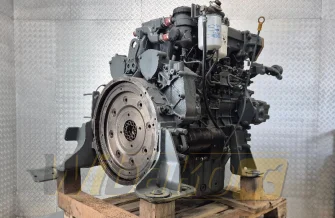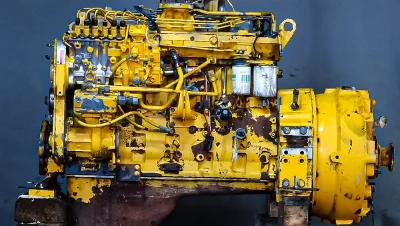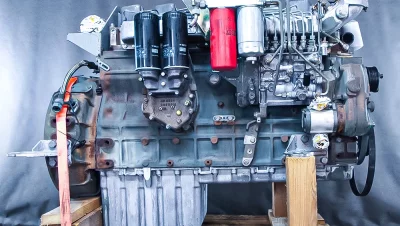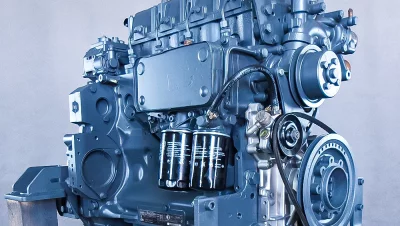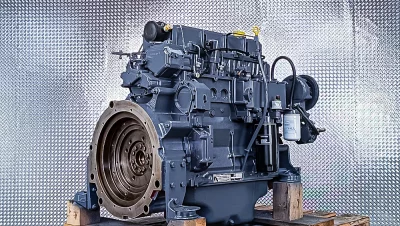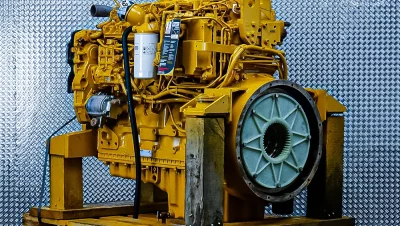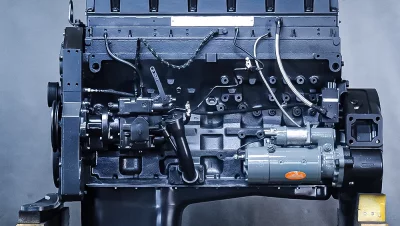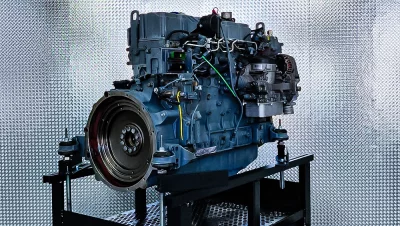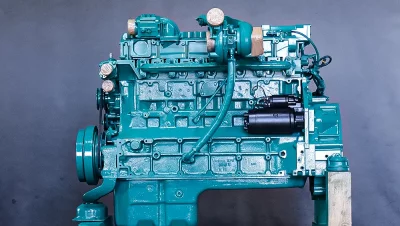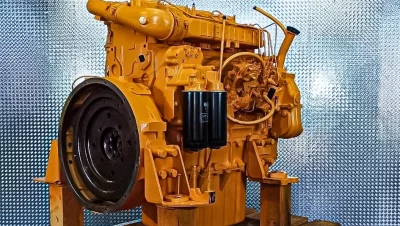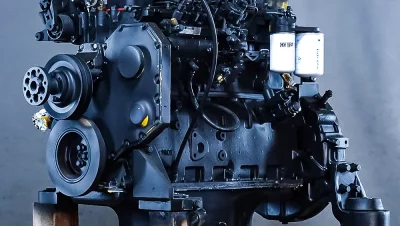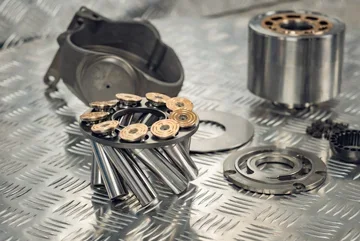


Overhaul of the Liebherr D934 A7 engine in the Liebherr LR 636 Litronic crawler loader
Comprehensive repair of the Liebherr D934 A7 engine
The Liebherr LR 636 Litronic crawler loader is designed for heavy-duty material handling, earthmoving, and operations in mines, recycling plants, and construction sites. Thanks to its hydrostatic drive and high tractive effort, the machine excels at loading bulk materials, leveling ground, and working in demanding terrain conditions. It is powered by the Liebherr D934 A7 diesel engine – a four-cylinder design with a displacement of approximately 7 liters, equipped with an electronic Common Rail injection system, a turbocharger, and a charge air cooler. This engine features high running smoothness and great durability, but under intensive use and high mileage, it also requires professional overhauling.
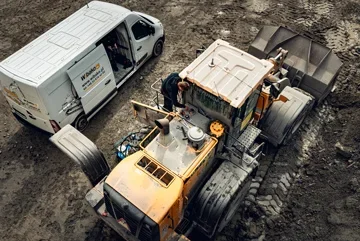
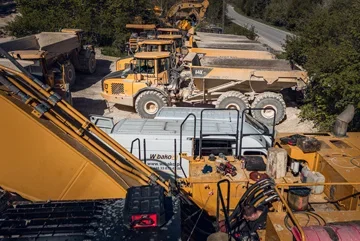
A power unit from a Liebherr LR 636 Litronic loader, which was working on a road investment near Opole, was delivered to our service center. The operator noticed a systematic loss of coolant, periodic engine overheating, and white smoke coming from the exhaust system. In the first phase, we performed diagnostics directly on the machine. A test for the presence of exhaust gases in the cooling system, a pressure test, and an inspection of the unit's operating parameters were carried out. The results clearly indicated damage to the cylinder head or the seal between the block and the head. Our mobile service dismantled the engine using a crane provided by the customer and then transported the unit to the WIBAKO workshop in Kojszówka.
Dismantling of the Liebherr D934 A7 engine
The dismantling process was carried out in accordance with the manufacturer's service documentation. The mechanics disconnected the electrical installation, fuel lines, cooling system, hydraulic lines, air intake, and exhaust system. All components were properly marked and secured against contamination. After unscrewing the mounts, the engine was lifted out of the machine compartment using a crane provided by the customer. After the dismantling was completed, the loader was prepared for further installation work.
Engine inspection in the workshop
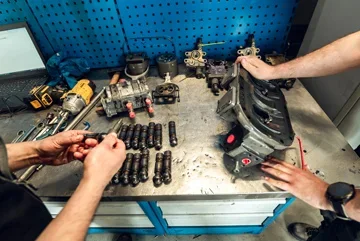
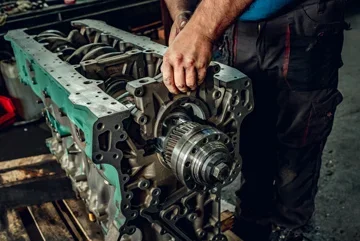
After delivering the engine to our facility, we began a detailed inspection. The unit was completely disassembled, and all components were washed and subjected to precise measurements. A crack in the cylinder head was confirmed, which caused exhaust gases to leak into the cooling system. Additionally, wear on the valve guides and valve stem seals was found.
An inspection of the crankshaft was also carried out, including runout measurement, control of journal dimensions, and checking of the oil channels. The connecting rods were checked for twist, straightness, and dimensions. The condition of the cylinder liners, pistons, and rings was evaluated. The turbocharger, high-pressure pump, injectors, starter, alternator, and other engine accessories were verified.
Regeneration and rebuild of the power unit
The scope of the overhaul included cylinder head regeneration through surface planning, replacement of valve guides, valves, and seals. After completing the work, a leak test was performed in a heated water bath. This confirmed the possibility of further operation of the cylinder head.
The crank-piston system underwent a comprehensive rebuild. New main and connecting rod bearings were installed, and a full set of piston rings and seals was replaced. After a positive verification, the crankshaft was ground. The injectors were tested on a test bench, and the high-pressure pump was checked for operating parameters. The turbocharger and all accessories responsible for the correct operation of the engine were also verified.
The final assembly of the unit was performed in accordance with Liebherr documentation. All components were tightened using the correct torque values, new bolts, and seals.
Test on an engine dynamometer
One of WIBAKO's greatest assets is the ability to conduct full tests on a professional engine dynamometer. Every Liebherr D934 A7 engine after an overhaul undergoes multi-stage testing to check its parameters even before installation in the machine.
After startup, the unit operated for over 16 hours at a load of approximately 20-30% of its nominal value. During this time, we monitored coolant temperature, oil temperature, lubrication pressure, Common Rail system parameters, and boost pressure. The tightness of all systems and the stability of the engine's operation were also controlled.
Following the break-in process, the load was gradually increased up to operating parameters. Dynamic load changes were performed multiple times, exhaust emissions were analyzed, and the achieved power and torque were monitored. Thanks to the dynamometer, it is possible to catch even minor irregularities before mounting the engine back in the loader. This significantly reduces the risk of additional machine downtime and gives the customer confidence that the unit leaves the workshop fully operational. After completing all tests, a test run report was prepared, confirming the correct operating parameters of the engine.
Installing the engine in the Liebherr LR 636 Litronic loader
After completing the dynamometer tests, the unit was transported back to the customer. The installation was carried out by our mobile service using a crane made available by the machine owner. The engine was fitted into the frame according to the manufacturer's procedures, and then all fuel lines, electrical wiring, cooling system, air intake, and exhaust system were reconnected.
Before the initial startup, filters were replaced, new operating fluids were filled, and the fuel system was bled. Then, a tightness check of all connections was conducted. The first start took place in the presence of our mechanics and the loader operator. After reaching operating temperature, the engine's performance parameters were checked during driving and material handling operations. Only after the successful completion of the tests was the installation protocol signed.
Engine maintenance after overhaul
The Liebherr D934 A7 engine is covered by a warranty after the overhaul. We recommend performing the first service after 50 operating hours. During this visit, our mechanics replace filters, inspect the tightness of all connections, and check the unit's operating parameters and the condition of the accessories. Subsequent inspections are carried out every 250 operating hours, but not less than once every three months.
Machines using the Liebherr D934 A7 engine
The Liebherr D934 A7 engine is used in many construction machines of the manufacturer Liebherr, including crawler loaders, bulldozers, and excavators. The unit is valued for its high torque, economical fuel consumption, and long durability during long hours of work under load. Regular servicing and professional overhauls allow maintaining its full efficiency for thousands of subsequent operating hours.
Summary
The comprehensive overhaul of the Liebherr D934 A7 engine performed by WIBAKO allowed restoring the full efficiency of the Liebherr LR 636 Litronic crawler loader. Accurate diagnostics, professional regeneration of components, mandatory tests on an engine dynamometer, and expert installation guarantee the reliable operation of the machine in the toughest conditions. Our mobile service performs the disassembly and assembly of engines throughout Poland, transports units to Kojszówka, and executes comprehensive Liebherr engine overhauls.
Internal linking:
Liebherr engine overhaul
Liebherr crawler loader service
WIBAKO engine dynamometer
Mobile construction machinery service
Overhaul of the Liebherr D934 A7 engine for the Liebherr LR 636 Litronic loader
Do you need a professional overhaul of a Liebherr D934 A7 engine or service for a Liebherr LR 636 Litronic crawler loader? Contact WIBAKO. We perform comprehensive engine repairs, engine dynamometer tests, as well as mobile disassembly and assembly of power units.