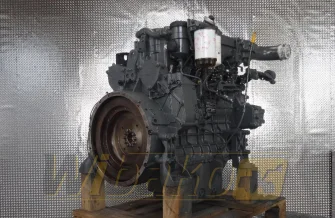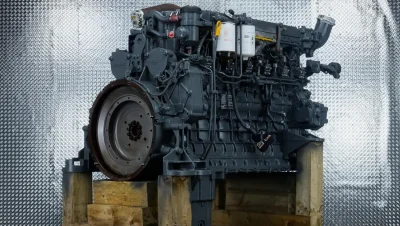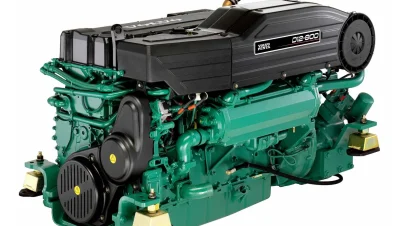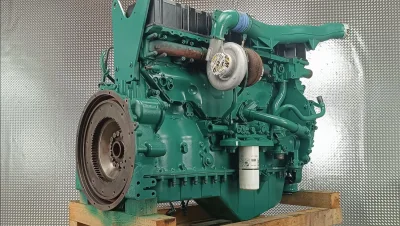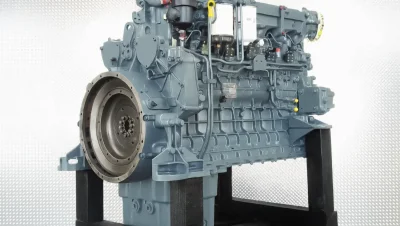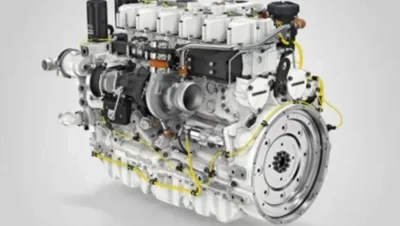


Liebherr D 9408 TI-E Engine Overhaul in a Liebherr LTM 1800 Mobile Crane
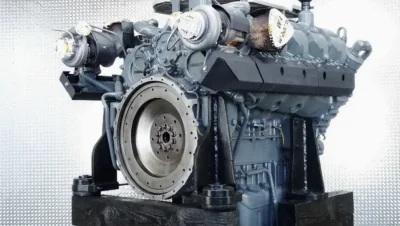
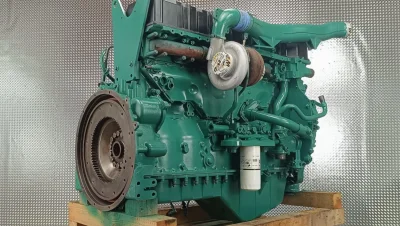
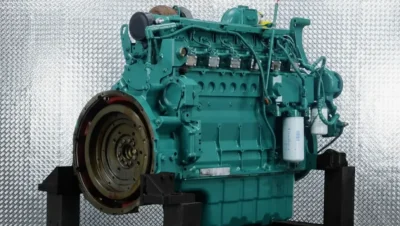
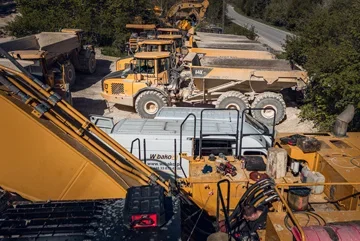
The Liebherr LTM 1800 mobile crane is one of the most recognizable machines in the heavy all-terrain crane segment. The design of this machine was engineered for demanding work in construction, energy, and industrial sectors where high lifting capacities and operational stability are required. It is powered by a Liebherr D 9408 TI-E V8 diesel unit with an output of approximately 420 kW, mounted in the machine's chassis.
This engine is a construction designed to operate under heavy and variable loads. High operating refinement and torque available across a wide RPM range ensure that this unit works perfectly with the crane's hydraulic systems. However, intensive use, frequent load cycles, and operation in dusty conditions and variable temperatures lead to natural wear of the components.
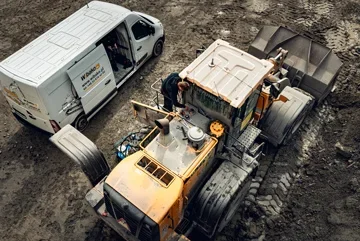
Our construction machinery service was called to diagnose and overhaul the power unit due to a noticeable drop in power and increased engine oil consumption. The machine was operating in the Katowice region, and subsequently, the engine was transported to our headquarters in Kojszówka for a full regeneration.
Initial On-Site Diagnostics
In the first stage, we performed diagnostics directly at the customer's site. The operator reported a drop in crane efficiency and uneven engine operation under load. Additionally, increased smoke emissions were noted during heavy operation.
Basic diagnostics included checking the intake system, fuel system, and a preliminary readout of the unit's operating parameters. Subsequently, a compression test was performed, which showed uneven values across selected cylinders. This indicated possible wear of the piston-cylinder system components.
After confirming the irregularities, the engine was qualified for removal and full workshop verification.
Removal of the Liebherr D 9408 TI-E Engine
Engine removal was carried out using a crane provided by the customer. Our service team began by securing all auxiliary systems of the machine, including the cooling system, intake system, and fuel lines.
Every component was properly marked to ensure correct installation after the regeneration process. Next, engine accessories were disconnected, including the alternator, starter, and hydraulic elements interacting with the power unit.
The engine was precisely slid out of the chassis frame and prepared for transport to our service base. The entire process was conducted in accordance with safety standards and the manufacturer's procedures.
Engine Verification in the Workshop
Upon delivery of the unit to the workshop, detailed verification began. Preliminary inspection already confirmed wear on the piston-cylinder system components, consistent with the operational symptoms.
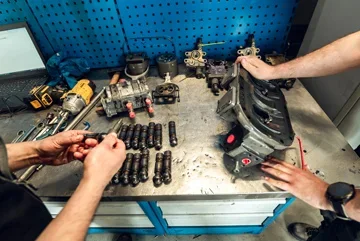
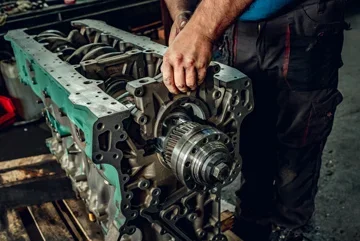
The engine was stripped down to the last nut and bolt, and all components underwent thorough cleaning and measurement. Particular attention was paid to the cylinders, pistons, and sealing rings.
Clear wear of the cylinder working surfaces was found, resulting in a drop in compression and increased blow-by into the crankcase. Additionally, signs of overheating were noticed on selected pistons.
Engine Repair and Regeneration Process
Crank-Piston System
A comprehensive regeneration was performed in the crank-piston system. The cylinders underwent machining and honing, which restored their original operating parameters. Pistons were replaced with new ones, and rings were matched according to the manufacturer's tolerances.
The crankshaft was checked for runout and journal wear. Following measurements, the shaft was ground, and new bearings of the appropriate dimensional class were selected. Connecting rods were verified for geometry and weight.
Engine Head
The head underwent full regeneration. Surface planing of the contact area was performed, and valve guides and valves were replaced. A pressure leak test in a water bath was conducted, confirming proper tightness after repair.
Fuel System and Accessories
The injection pump was tested on a test bench and calibrated. Injectors underwent spray and opening pressure tests. The turbocharger was checked for axial and radial play and then regenerated.
The alternator and starter underwent standard electrical inspection and mechanical efficiency verification.
Professional Engine Assembly
Following the completion of regeneration, all components were assembled according to Liebherr service documentation. Assembly took place in controlled conditions using specialized torque tools.
Every element of the system was precisely fitted, and all seals were replaced with new ones. The engine was prepared for functional testing.
Engine Dynamometer Test
After assembly, the Liebherr D 9408 TI-E engine was started on the engine dynamometer. The first stage involved operation under light load conditions for approximately 16 hours. During this time, parameters such as oil pressure, exhaust temperature, and unit stability were monitored.
Subsequently, the engine was subjected to load tests in the range of 20-30% of nominal power. The goal of this stage was to check operational stability in conditions close to actual operation in the crane.
In the next stage, full-load tests were performed. The engine was repeatedly loaded across various RPM ranges, allowing for precise verification of its performance characteristics. Correct torque and stable combustion parameters were recorded.
The dynamometer also allows for the detection of any irregularities that might only emerge during machine operation. Thanks to this, the customer receives a unit that is fully tested and ready for use.
Engine Installation in the Liebherr LTM 1800 Crane
Installation of the engine into the machine was performed at the crane's work site in the Katowice area. The process began with preparing the engine compartment and checking all mounting points. Intake system piping and cooling lines were replaced to ensure full system tightness.
The engine was precisely lowered into the chassis frame using a crane. Mechanical and electrical connections were then made in accordance with the manufacturer's documentation. Every connection was checked for tightness and correct assembly.
In the next stage, the fuel and cooling systems were primed. Leak tests and inspections of all hoses under pressure were performed. Subsequently, the first engine start was carried out in the presence of the machine operator.
The engine operated stably, without leaks or abnormal vibrations. After positive tests, an assembly protocol was signed. The entire process also included final adjustment of operating parameters and adaptation of the unit to the crane's hydraulic system.
Following installation, a service inspection is recommended after 50 operating hours (mth), including filter replacement and checking of mechanical connections.
Summary
The overhaul of the Liebherr D 9408 TI-E engine allowed for the restoration of full operational efficiency of the power unit in the Liebherr LTM 1800 crane. Thanks to comprehensive regeneration and dynamometer testing, the customer received a fully functional and verified component ready for further operation.
The application of full diagnostics and precise mechanical processing allowed for the elimination of problems related to compression drop and piston component wear.
Regular service maintenance and an inspection after 50 operating hours will ensure long-term and trouble-free operation of the unit.
Internal Link Placements
Liebherr Engine Service
Construction Machinery Engine Overhauls
Engine Dynamometer - Testing and Diagnostics
Contact us
Do you need a Liebherr D 9408 TI-E engine overhaul or service for an LTM 1800 crane? Contact us - we perform comprehensive repairs and engine dynamometer tests.