

Engine Overhaul of Cummins QSB4.5 (Tier 3) in Dressta TD-10R Crawler Dozer
The Dressta TD-10R crawler dozer is a machine designed for intensive earthworks, road construction, land leveling, and construction site preparation. This model is valued for its durable undercarriage design, high tractive effort, and the ability to operate in difficult terrain conditions. The power unit used in this machine is the Cummins QSB4.5 (Tier 3) engine, which belongs to the group of modern industrial diesel engines used in construction machinery, power generators, and off-highway equipment.
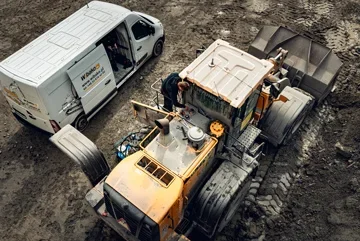
A Cummins QSB4.5 engine from the vicinity of Katowice in the Silesian Voivodeship was delivered to our service center. The customer reported a gradual loss of power, increased oil consumption, and heavy smoking during operation under load. Additionally, the operator noticed difficulties starting the engine after the machine had been stationary for a long period. Our mobile construction machinery service performed initial diagnostics directly at the customer's site. After conducting compression measurements and cylinder leak tests, significant wear of the cylinder-piston system was confirmed.
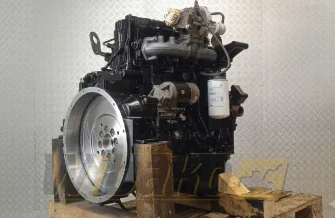
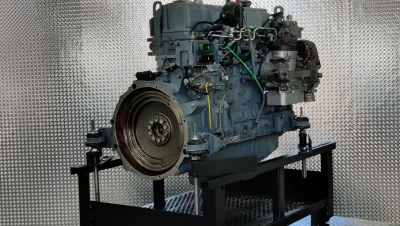
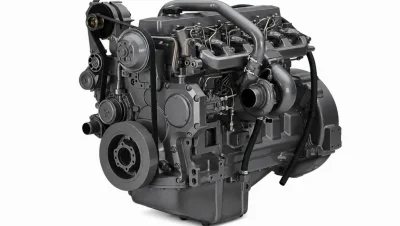
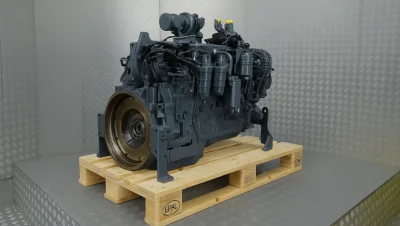
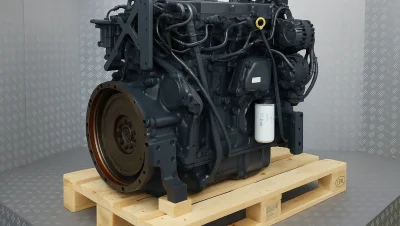
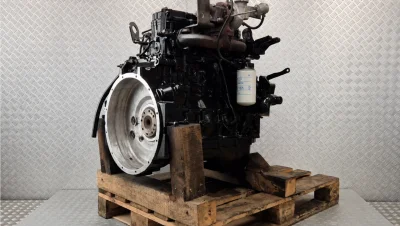
The Cummins QSB4.5 engine is a four-cylinder diesel unit equipped with turbocharging and an electronic control system. This design ensures smooth operation and high efficiency with relatively low fuel consumption. However, many hours of operation in high-dust conditions and under constant load cause natural wear of the crank-piston system components and engine accessories.
Following the diagnostics, the decision was made to perform a comprehensive overhaul of the power unit. The engine was dismantled from the machine by our mechanics using a crane provided by the customer. Subsequently, the unit was transported to our headquarters in Kojszówka, where we performed a full verification and rebuild of the engine. Our diesel engine service specializes in repairing Cummins units used in construction machinery, excavators, dozers, and loaders.
Diagnostics and Dismantling of the Cummins QSB4.5 Engine
We began the diagnostic process by checking the engine's operating parameters within the Dressta TD-10R machine. The operator reported uneven engine operation under load and increased exhaust smoke when higher power was required. First, we performed an oil pressure check and an analysis of the fuel system's operating parameters. This was followed by compression measurements on all cylinders.
The measurement results indicated significant differences between individual cylinders. Additionally, a cylinder leak test and an endoscopic inspection of the combustion chambers were performed. The endoscopic camera revealed visible signs of wear on the cylinder liners and carbon deposits on the pistons. Increased blow-by into the crankcase clearly indicated wear of the piston rings and cylinder surfaces.
Once the necessity of an overhaul was confirmed, our mobile service proceeded to dismantle the engine. This process included disconnecting the electrical system, fuel lines, cooling system, and intake and exhaust manifolds. Particular attention was paid to securing the intake system against contamination during transport.
The dismantling of the power unit was carried out using a crane made available by the customer. After removing the engine from the machine compartment, we performed an additional inspection of the mounts, clutch, and components interacting with the drive system of the Dressta TD-10R dozer. All lines and accessory components were properly labeled to ensure full compatibility during the subsequent engine reassembly.
After securing the engine, the unit was transported to the workshop in Kojszówka. There, we began the process of full disassembly and detailed verification of the components. Our construction machinery service performs all stages of repair in accordance with the Cummins engine manufacturer's technical documentation.
Verification of Cummins QSB4.5 Engine Components
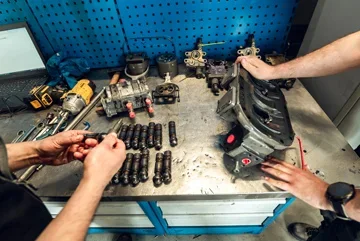
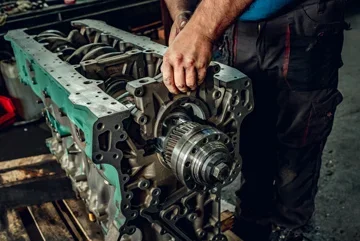
Upon delivery of the engine to the workshop, we began the process of complete disassembly. All parts were thoroughly washed and subjected to a detailed inspection. First, we performed a verification of the crank-piston system. Measurement of the cylinder liners confirmed excessive wear of the working surfaces and visible signs of operation under high load.
Verification of the crankshaft included visual inspection, measurement of the main and connecting rod journals, checking the oil passages, and measuring crankshaft runout. Wear was found on the surfaces interacting with the bearings. Consequently, the crankshaft was qualified for grinding.
The connecting rods were checked for twisting, bending, and signs of overheating. Weight measurements of individual components were also performed. The main and connecting rod bearings showed clear signs of operational wear resulting from the machine's high mileage.
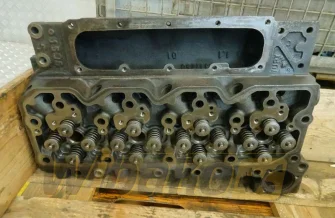
We also conducted a verification of the engine cylinder head. This included a pressure test in a water bath, inspection of valve seats, and measurement of valve guide clearances. The head had no cracks, but a full regeneration was necessary, including surfacing (milling) and replacement of consumable parts.
The camshaft was also checked, with its lobes showing moderate signs of wear. After measurements, it was decided to keep the camshaft for further use after thorough cleaning and inspection of the working surfaces.
Verification of the turbocharger included examining the radial and axial play of the rotor. Excessive bearing wear was found, so the turbocharger was sent for regeneration. The fuel system underwent a comprehensive check on a test bench. The injectors showed uneven fuel doses, which affected the incorrect operation of the engine.
During the verification, we confirmed that the main cause of the failure was the natural wear of the cylinder-piston system resulting from high mileage and intensive use of the dozer in difficult terrain conditions.
Regeneration and Repair of the Cummins QSB4.5 Engine
The overhaul process began with the regeneration of the crank-piston system. The crankshaft was ground and re-measured after machining. New main and connecting rod bearings, consistent with Cummins manufacturer specifications, were used. The set of pistons, piston rings, and cylinder liners was also replaced.
The connecting rods were thoroughly checked and prepared for reassembly. All connecting rod bolts were replaced with new ones. A very important stage was maintaining the correct tightening torques and monitoring assembly clearances in accordance with the service documentation.
Cylinder head regeneration included surfacing the contact area, replacing valve guides, new valves, and seals. After machining, the head was again subjected to a leak test. This ensured that the combustion system would operate correctly after the overhaul.
The fuel system was checked and calibrated. The injectors underwent adjustment of operating parameters and fuel spray pattern control. The correct operation of the injection system has a huge impact on the performance of the Cummins QSB4.5 engine and the reduction of fuel consumption.
The turbocharger was also regenerated. Bearing components were replaced, and rotor balancing was performed. An efficient charging system is extremely important for maintaining the correct operating parameters of the Dressta TD-10R crawler dozer.
During engine assembly, we paid particular attention to the accuracy of the installation and the maintenance of technological cleanliness. All oil passages were blown out and cleaned. A complete set of seals, flexible hoses, and consumable elements was replaced.
Professional engine assembly also included precise control of valve clearances, timing setup, and checking the correct interaction of all components. Every stage of assembly was documented by our mechanics.
Cummins QSB4.5 Engine Test on a Dynamometer
One of the most important stages of the entire rebuild process was testing the engine on an engine dynamometer (dyno). Our company is one of the few diesel engine services that possesses a professional dynamometer, allowing us to check the power unit even before it is installed in the machine. This enables us to accurately verify the operating parameters of the Cummins QSB4.5 engine under controlled load conditions.
After assembly was completed, the engine was prepared for its first start on the test stand. First, we performed the fuel system bleeding procedure and pre-lubrication of the oil system. Then, the unit was started and left to run under a light load of approximately 20-30% of its nominal power.
The engine break-in process lasted over 16 engine hours. During this time, our mechanics monitored the operating temperature, oil pressure, combustion parameters, and the tightness of all connections. The presence of any leaks and the stability of the turbocharger's operation were also regularly checked.
After the initial break-in was completed, the engine was subjected to multiple tests under full load. The dynamometer allows us to precisely check the behavior of the unit in conditions corresponding to the actual operation of a construction machine. This makes it possible to catch even minor irregularities before the engine is mounted in the dozer.
During the load tests, we analyzed, among other things, oil pressure stability, coolant temperature, reaction to load changes, and the correctness of the fuel system's operation. We also monitored the exhaust smoke level and turbocharger operating parameters.
A major advantage of engine dynamometer testing is the ability to accurately check all components without the influence of additional machine elements. This allows for quick detection of potential leaks, fuel system issues, or incorrect accessory operation. As a result, the customer receives a completely verified engine ready for further use.
Our engine dynamometer enables us to perform tests on many power units used in construction machinery, including engines from Cummins, Deutz, Perkins, Caterpillar, and John Deere. This is a very important part of the engine rebuild process, as it reduces the risk of another failure after installation in the machine.
After all trials were completed, the Cummins QSB4.5 engine achieved correct operating parameters and a stable temperature under full load. The tests confirmed the effectiveness of the repair and the unit's readiness to return to work in the Dressta TD-10R dozer.
Installation of the Engine in the Dressta TD-10R Dozer
After the successful completion of the dynamometer tests, we proceeded to install the power unit in the customer's machine. Our mobile service returned to the Katowice area, where the final installation of the engine in the Dressta TD-10R crawler dozer was performed.
Engine installation was carried out using a crane provided by the customer. The installation process included precise positioning of the engine in the machine compartment and checking all mounting points. It was crucial to maintain the correct alignment relative to the drive system and the clutch.
During installation, we replaced the intake system hoses, air connection seals, and some of the cooling system lines. The condition of the radiators, hydraulic lines, and accessory mounts was thoroughly checked. Every element was cleaned before reassembly.
After the mechanical seating of the engine, we connected the electrical system, fuel lines, and exhaust system. Particular attention was paid to the correct routing of the lines and securing them against potential chafing during machine operation.
Before the first start-up, we replaced the filters and filled the engine with new operating fluids. Then, the fuel system bleeding procedure and the initial engine start-up were performed. At this stage, we were already monitoring the oil pressure and the unit's operating parameters.
The next stage involved operational tests carried out together with the machine operator. The Dressta TD-10R dozer was subjected to load tests during earthworks. During the tests, we checked the engine's response to sudden load changes, temperature stability, and the tightness of all connections.
We also monitored the correct operation of the cooling system and the performance of the turbocharger. Thanks to the previous dynamometer tests, we could focus on the interaction between the engine, the machine, and the dozer's hydraulic systems.
Upon completion of the operational tests, we performed a final check of the connections, fluid levels, and for any potential leaks. A mounting protocol was then signed, confirming the correct execution of all service work.
Service Maintenance After Engine Overhaul
Every engine after an overhaul is covered by a warranty and the possibility of further service maintenance by our mechanics. After performing the overhaul of the Cummins QSB4.5 engine, we established a schedule for further operational inspections with the customer.
The first service inspection will be performed after 50 engine hours of operation. During this inspection, our mechanics will replace the filters and check all connections between the engine and the other components of the Dressta TD-10R dozer. This is a very important stage of operation after an overhaul.
During the 50-hour inspection, we also check the tightness of the cooling system, fuel lines, intake system, and the condition of the accessories. We verify engine operating parameters and check for any leaks resulting from normal use after the initial period of operation.
Subsequent inspections are performed every 250 engine hours, but at least every 3 months. Our mobile construction machinery service carries out maintenance directly at the customer's site.
Machines Utilizing the Cummins QSB4.5 Engine
The Cummins QSB4.5 engine is used in many construction and industrial machines. This unit is utilized in, among others, dozers, wheel loaders, excavators, road rollers, and municipal machinery.
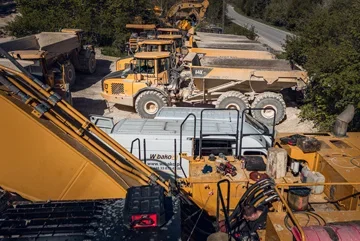
Cummins engines of this series can be found in machines from manufacturers such as Dressta, JCB, Komatsu, Terex, Case, and New Holland. Due to their durability and relatively simple design, these units are very popular in the construction industry.
Our diesel engine service performs overhauls, regenerations, and repairs of Cummins units used in off-highway machinery. We have experience in servicing both older mechanical units and modern engines equipped with electronic control systems.
Summary of the Dressta TD-10R Engine Overhaul
The comprehensive overhaul of the Cummins QSB4.5 engine in the Dressta TD-10R crawler dozer restored the machine's full functionality and eliminated problems related to power loss and excessive oil consumption. As part of the repair, we performed a full regeneration of the crank-piston system, cylinder head regeneration, fuel system repair, and dynamometer engine tests.
Thanks to professional diagnostics and detailed inspection of all components, the customer received a completely verified engine ready for many more hours of operation. Our engine dynamometer allowed for precise checking of the unit's operating parameters before its installation in the machine.
WE PERFORM comprehensive construction machinery service, Cummins diesel engine overhauls, and mobile repairs of off-highway machinery in the Silesian, Lesser Poland, Opole, and Łódź Voivodeships.
Internal link: Cummins engine overhaul
Internal link: Dressta dozer service
Internal link: WIBAKO engine dynamometer
Internal link: mobile construction machinery service