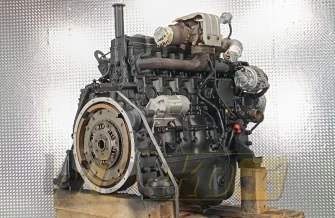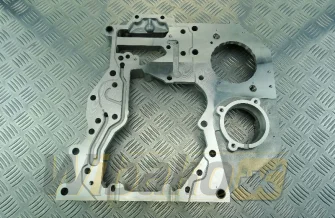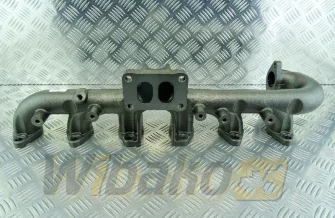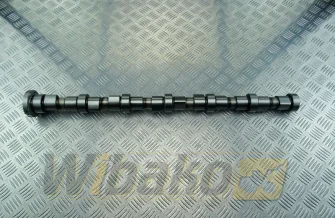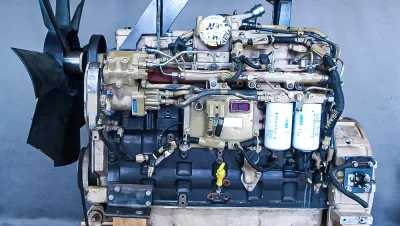


Repair and Overhaul of the Cummins QSB6.7 Engine (168 kW) in a Hyundai HL960 HD Wheel Loader
The Hyundai HL960 HD wheel loader is a popular machine used in the construction sector, the aggregate industry, and handling operations. This model is valued for its high performance, robust construction, and reliability in demanding operating conditions. At the heart of the machine is the Cummins QSB6.7 power unit with 168 kW, which provides the necessary torque and stable operation under heavy loads.
This machine arrived at our service center in Kojszówka following an initial diagnosis carried out in the Warsaw area (Masovian Voivodeship). Our mobile service performed a preliminary inspection directly at the customer's site, after which the engine was dismantled and transported to our headquarters. During operation, the operator noticed a power drop, increased oil consumption, and uneven engine performance.
Following the initial analysis, a decision was made for a full engine overhaul, including comprehensive regeneration of the crank-piston system, cylinder head verification, and final tests on an engine dynamometer.
Initial Diagnostics and Cause of Failure
During the preliminary diagnostics, symptoms indicating wear of the cylinders and pistons were identified. This was the primary reason the unit was sent for an overhaul. Symptoms included a drop in compression, increased smoke emissions, and elevated engine oil consumption.
As part of the diagnostics, compression pressure measurements, cylinder leak tests, and endoscopic inspections were performed. The results confirmed significant wear on the working surfaces of the cylinders and piston rings.
Dismantling the Engine from the Machine
The removal of the Cummins QSB6.7 engine from the Hyundai HL960 HD loader was carried out using a crane provided by the customer. Our service technicians disconnected all fuel lines, electrical connections, and the intake and cooling systems.
The engine was properly secured for transport, and all auxiliary components were labeled to ensure correct reassembly later. The machine was prepared for the reinstallation of the power unit once the overhaul was completed.
Engine Verification in the Workshop
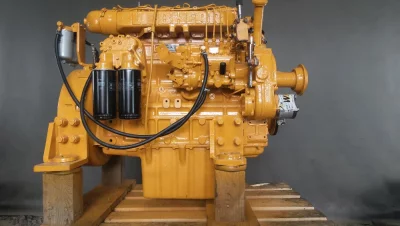
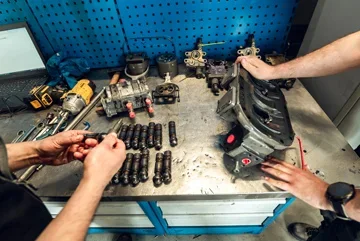
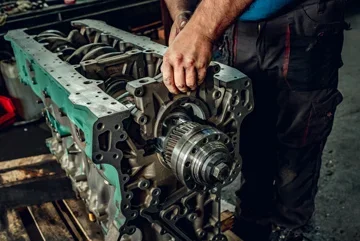
Upon delivery of the engine to our headquarters in Kojszówka, a detailed verification began. The engine was stripped down to its individual parts, and every component underwent a thorough technical assessment.
Verification confirmed wear on the cylinders and pistons, as well as partial wear on the crankshaft bearings. Additionally, the cylinder head was checked in a pressurized water bath to rule out structural cracks.
The WIBAKO company also inspected the engine accessories, including the turbocharger and the injection system, which showed standard operational wear.
Engine Repair and Regeneration Process
Crank-Piston System
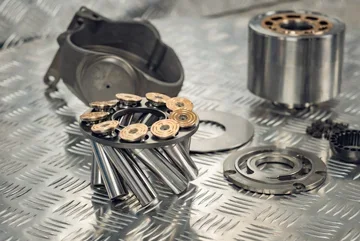
As part of the repair, a full regeneration of the crank-piston system was performed. Pistons, rings, and cylinder liners were replaced. The crankshaft underwent grinding and precise run-out measurements. The connecting rods were verified for deformation and weight consistency.
Cylinder Head
The head was regenerated through resurfacing (milling), and the replacement of valves and valve guides. A leak test was also conducted, confirming full functionality after processing.
Fuel System and Accessories
The injection pump was sent to an external facility for calibration on a test bench. The injectors were inspected and regenerated. The turbocharger underwent an inspection of axial and radial clearances.
Additionally, intake system components and air hoses were replaced to ensure complete system tightness.
Professional Engine Assembly
After regeneration, the engine was precisely assembled according to Cummins manufacturer specifications. Each component was installed following the correct tightening torques and service procedures.
Assembly also included the installation of new intake system piping, connection of the cooling system, and a full leak check of all connections. The engine was prepared for dynamic testing with the participation of the machine operator.
Engine Dynamometer Test
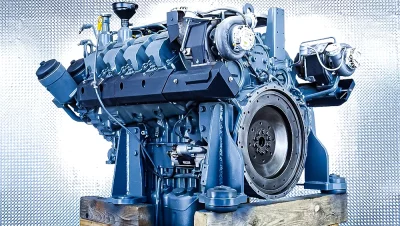
One of the key stages of the process was the engine dynamometer test. After the initial start-up, the unit ran for approximately 16 engine hours under 20-30% nominal load. During this time, operating temperatures, oil pressure, injection parameters, and RPM stability were monitored.
Subsequently, the engine was subjected to full load across various operating ranges. The dynamometer allows for the simulation of real operating conditions, providing an opportunity to accurately assess the power unit's behavior under variable loads.
During the tests, the engine's refinement, exhaust emissions, and response to sudden load changes were also analyzed. Thanks to the dynamometer, it was possible to detect any potential irregularities before installation in the machine.
The tests confirmed the full efficiency of the Cummins QSB6.7 unit, allowing for its subsequent installation in the Hyundai HL960 HD loader.
Installing the Engine in the Machine
The engine installation in the machine was carried out in the Warsaw region by our mobile service. The process involved precise seating of the unit in the engine bay, connecting all systems, and replacing operational filters.
During installation, special attention was paid to the tightness of the fuel and intake systems. Air piping was replaced, cooling lines were checked, and pressure tests of the system were performed.
After starting the engine, tests were conducted with the machine operator. Load response, stability, and the absence of leaks were verified. Following positive results, the installation protocol was signed.
Additionally, final adjustment of operating parameters and an inspection of the electronic engine control system were performed.
Post-Overhaul Service Maintenance
Following the completion of the installation, the customer was provided with full service support. We recommend performing the first filter change after 50 engine hours, along with an inspection of connections and system tightness.
Subsequent inspections should be carried out every 250 engine hours or at least every 3 months. Our mobile service provides full technical support and diagnostics at the machine's workplace.
Information on the Cummins QSB6.7 Engine Application
The Cummins QSB6.7 engine is used in many construction machines, including wheel loaders, excavators, and industrial machinery. Its popularity stems from its high durability, parts availability, and excellent performance characteristics under load.
Summary
The overhaul of the Cummins QSB6.7 engine in the Hyundai HL960 HD loader allowed for the full restoration of the power unit's efficiency. Thanks to comprehensive regeneration and engine dynamometer testing, it was possible to ensure high reliability and a long engine lifespan.
The use of precise service procedures, verification of all components, and professional assembly ensured that the machine returned to full operational capacity.
Every overhaul we perform is covered by a warranty and full service support.
Internal Links
Cummins Engine Service
Wheel Loader Regeneration
Engine Dynamometer - Power Unit Testing
Contact Us
Do you need a Cummins QSB6.7 engine overhaul or service for a Hyundai HL960 HD loader? Contact us – we perform comprehensive repairs and engine dynamometer tests.