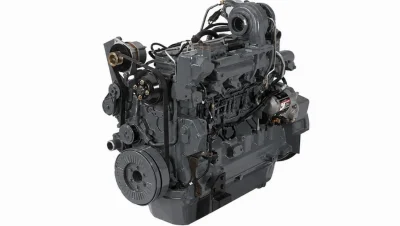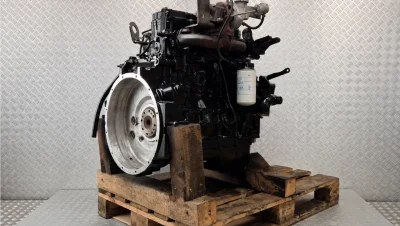


Overhaul of the Cummins QSB 4.5 Engine in a Case 1150K Crawler Dozer
Comprehensive Service of the Cummins QSB 4.5 Engine in a Case 1150K Machine
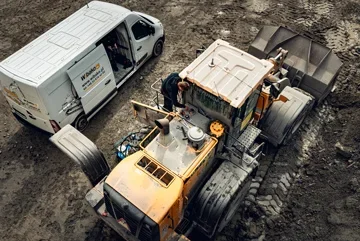
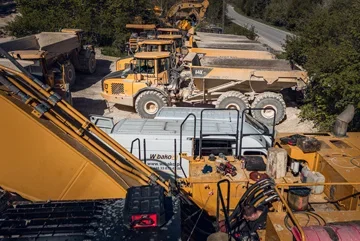
Our service center received a Cummins QSB 4.5 engine powering a Case 1150K crawler dozer. The machine was operating on earthworks near Kielce in the Świętokrzyskie Voivodeship. The operator reported a gradual loss of power, increased engine oil consumption, and noticeable exhaust smoke when working under load. The machine owner decided to carry out full diagnostics and an overhaul of the power unit.
Case is a construction equipment manufacturer known for producing dozers, excavators, and loaders used worldwide. The 1150K model belongs to a group of machines designed for heavy earthmoving, land leveling, and construction site preparation. The machine's design ensures high tractive effort and the ability to operate in difficult terrain conditions. This model was equipped with modern engines from the Cummins QSB family, valued for their durability and good performance parameters.
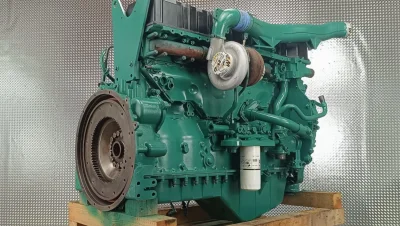
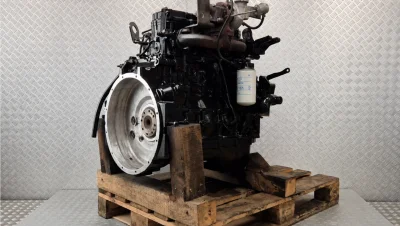
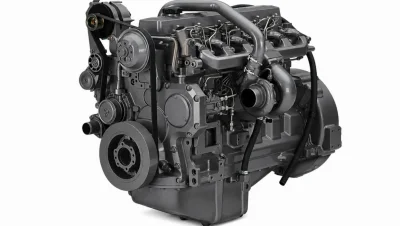
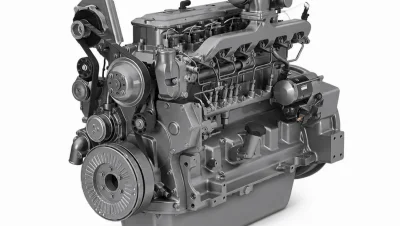
The Cummins QSB 4.5 engine is a four-cylinder diesel unit used in many construction, road, and industrial machines. It features electronic control, turbocharging, and high operational refinement. With proper maintenance, engines of this family achieve very high mileage, but intensive use and servicing negligence can lead to the need for a general overhaul.
Initial Diagnostics on the Machine
The first stage was to conduct diagnostics directly at the customer's site. Our mobile service arrived at the location where the dozer was parked and began analyzing the reported symptoms. During the initial inspection, increased oil consumption and bluish exhaust smoke during operation under load were confirmed.
We measured the compression pressure on all cylinders. The results indicated significant differences between individual cylinders. Next, a cylinder leakage test and an endoscopic inspection of the combustion chambers were performed. The endoscopic camera revealed signs of wear on the cylinder surfaces and carbon deposits on the pistons.
Based on the tests carried out, we initially qualified the engine for an overhaul due to worn cylinders and pistons causing a drop in compression and increased engine oil consumption.
Disassembly of the Cummins QSB 4.5 Engine from the Case 1150K Dozer
After determining the scope of work, we proceeded to disassemble the power unit. The disassembly was performed at the customer's site using a crane provided by the machine owner. Our mechanics started by disconnecting the batteries, securing the electrical system, and marking all wires and connectors.
Next, the intake system pipes, cooling system hoses, fuel system, and accessories that hindered the removal of the power unit were disassembled. Particular attention was paid to protecting the radiator, hydraulic lines, and electronic components located in the engine compartment.
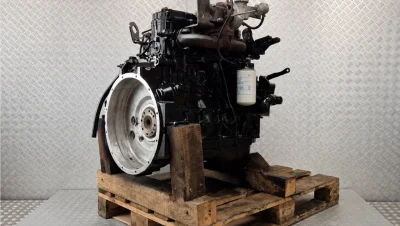
After unscrewing the mounting brackets, the engine was carefully lifted out of the engine compartment and prepared for transport to our headquarters in Kojszówka. Detailed verification of all components began there.
Engine Verification in the Workshop
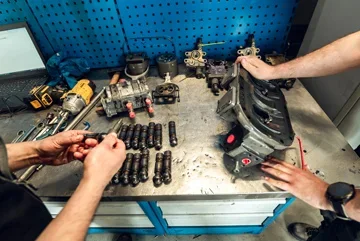
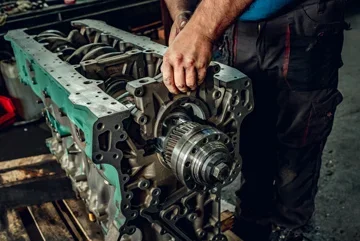
After delivering the power unit to the workshop, we began a full disassembly of the engine. All components were thoroughly washed and prepared for measurements. Already at the disassembly stage, previous assumptions regarding the wear of the crank-piston system were confirmed.
A verification of the crankshaft was carried out, including visual inspection, measurement of journals, checking shaft runout, and inspection of oil channels. The crankshaft qualified for a repair grind.
Connecting rods were inspected for cracks, overheating, and deformation. Geometry measurements were performed and the condition of the rod bolts was checked.
During measurements of the cylinder liners, above-standard wear of the working surfaces was found. The pistons and piston rings showed signs of long-term operation and loss of sealing parameters.
A cylinder head verification was also carried out. It included a leak test, checking valve seats, valve guides, and assessing the condition of the valves. The cylinder head had no cracks but required full regeneration.
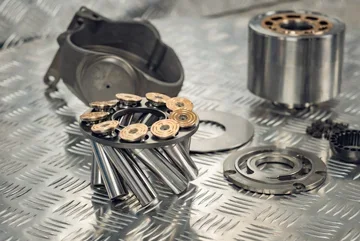
The turbocharger was also verified by checking radial and axial clearances. In addition, the fuel system and electronic components responsible for engine operation were checked.
Regeneration and Repair of the Cummins QSB 4.5 Engine
Crank-Piston System Repair
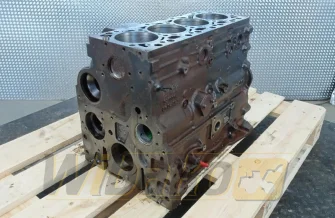
As part of the overhaul, the crankshaft was ground, and a set of new main and connecting rod bearings was applied. New pistons, piston rings, and cylinder liners were installed. All components were selected according to the engine manufacturer's specifications.
Connecting rods were checked for geometry and prepared for further operation. After completing the work, control measurements of assembly clearances were performed.
Cylinder Head Regeneration
The cylinder head was subjected to a leak test in a heated water bath. Then, the mating surface was planned, valve guides, valves, and sealing elements were replaced. After completing the work, the tightness of all valve seats was checked.
Fuel System
The injectors were tested on a test bench. After performing the necessary service actions, they were calibrated. The fuel pump and fuel lines were also inspected.
Engine Accessories
The turbocharger was subjected to a detailed inspection. Wear elements responsible for the tightness of the system were replaced. The condition of the alternator, starter, coolant pump, and other engine accessories was also verified.
Professional Assembly of the Power Unit
After completing all regeneration processes, assembly of the engine began. Each stage was carried out in accordance with Cummins service documentation. All threaded connections were tightened with the appropriate torques. New gaskets, seals, and mounting components were used.
During assembly, particular attention was paid to the correct timing adjustment, maintaining appropriate clearances, and preparing the lubrication and cooling systems for the first start.
Engine Test on the Engine Dynamometer
One of the most important stages of implementation was the test on our engine dynamometer (dyno). Few companies involved in overhauling construction machinery engines have the capability to perform full load tests before installing the power unit in the machine.
After completing assembly, the Cummins QSB 4.5 engine was equipped with a complete measurement system allowing the monitoring of temperatures, pressures, fuel parameters, and the power generated by the unit. Before starting the actual tests, the first-start procedure and inspection of all systems were performed.
For the first dozen or so hours, the engine operated at a load of about 20-30% of the nominal value. During this time, we monitored coolant temperature, oil temperature, oil pressure, boost pressure, and the stability of the fuel system operation. The purpose of this stage was to safely break in all new components of the crank-piston system.
After completing the break-in stage, we began a series of tests under full load. The engine was repeatedly loaded across various RPM ranges, which allowed for the assessment of its behavior under conditions corresponding to the actual operation of the dozer. During the tests, we also monitored exhaust emissions, response to load changes, and the stability of electronic control parameters.
The dynamometer allows for the detection of any irregularities even before mounting the engine in the machine. Thanks to this, the customer receives a power unit verified in controlled conditions. We can confirm the correct operation of the lubrication, cooling, fuel supply systems, and the performance of the turbocharger.
After completing all tests, a final leak inspection and analysis of the recorded parameters were performed. The engine achieved the required operating values and was approved for installation in the Case 1150K dozer. Such an extensive quality control process significantly reduces the risk of problems occurring after starting the machine at the customer's site and is one of the most important elements of our overhaul technology.
Engine Installation in the Case 1150K Dozer
Following the successful completion of tests on the dynamometer, our team returned to the customer. The installation of the power unit was carried out using a crane provided by the machine owner. Before seating the engine, the engine compartment was thoroughly cleaned and the condition of all cooperating components was checked.
The engine was seated on its mounting brackets in accordance with the manufacturer's documentation. Then, the fuel lines, cooling system hoses, electrical system, and intake system were connected. Worn rubber hoses, hose clamps, and air connection sealing elements were replaced.
The next stage involved bleeding the fuel system, filling the cooling system with the appropriate fluid, and checking all operating fluid levels. A detailed inspection of connection tightness and a check of the correct operation of sensors and the electrical installation were carried out.
After the first engine start, a series of functional tests was performed. Mechanics observed the operation of the unit during warm-up and changes in load generated by the machine's working system. The tests were carried out together with the dozer operator, who could assess the improvement in operating parameters compared to the pre-overhaul state.
After completing field trials, the absence of leaks, correctness of operating temperatures, and stability of engine parameters were verified. Only after the successful completion of all tests was the report of installation and handover of the machine for operation signed.
Engine Maintenance After Overhaul
Every engine after an overhaul is covered by a warranty and the support of our service. We recommend performing the first inspection after 50 operating hours. During such a visit, our mechanics replace filters, inspect the engine's connections with other machine systems, and check for any signs of leaks.
Subsequent inspections are carried out every 250 operating hours, but not less frequently than once every three months. Regular maintenance keeps the Cummins QSB 4.5 engine in excellent technical condition for many years.
Machines Utilizing the Cummins QSB 4.5 Engine
Cummins QSB 4.5 engines can be found in many construction and industrial machines. These units were used, among others, in excavators, wheel loaders, road rollers, asphalt milling machines, telehandlers, industrial generators, as well as selected models of dozers and specialized machinery.
Summary
The performed overhaul of the Cummins QSB 4.5 engine in the Case 1150K crawler dozer included full diagnostics, comprehensive regeneration of components, tests on an engine dynamometer, and professional installation in the machine. Thanks to the work carried out, the customer regained the full efficiency of the machine and the certainty of further trouble-free operation.
WIBAKO carries out comprehensive overhauls of diesel engines, repairs of construction machinery, and mobile service services throughout Poland. A particular advantage of our services is the ability to conduct tests on an engine dynamometer even before mounting the power unit in the machine.
Related services:
Cummins QSB 4.5 engine overhaul
Case crawler dozer service
Repair of Cummins fuel systems
Engine testing on a dynamometer
Mobile construction machinery service
Cummins QSB 4.5 engine overhaul in Case 1150K
Need a repair for a Cummins QSB 4.5 engine or service for a Case 1150K crawler dozer? WIBAKO performs comprehensive engine overhauls, dynamometer tests, as well as assembly and disassembly of power units at the customer's site.