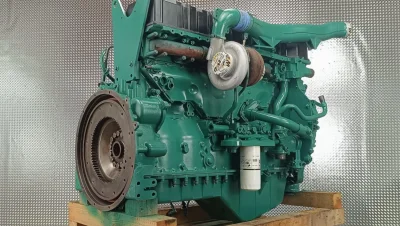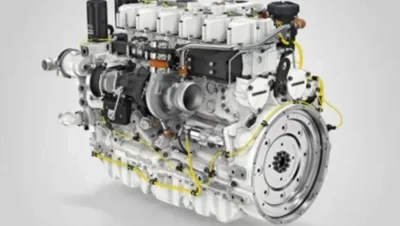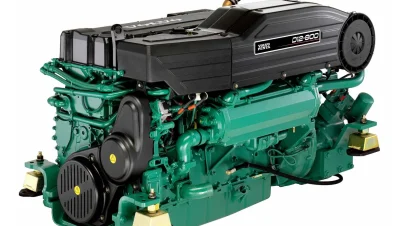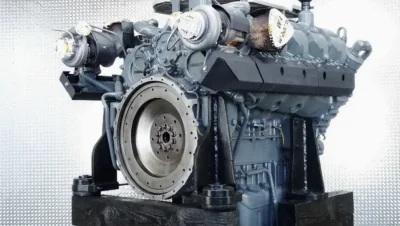


Repair of the Liebherr D9508 A7 engine in the Liebherr LTM 1450-8.1 mobile crane - comprehensive overhaul of the power unit
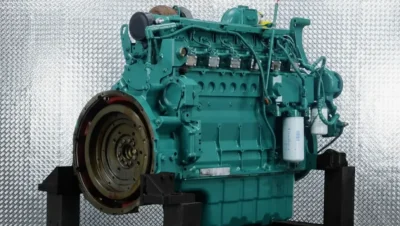
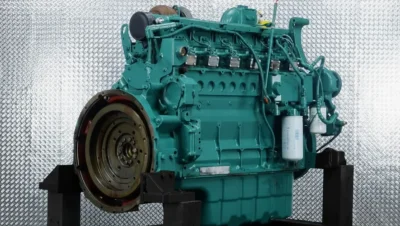
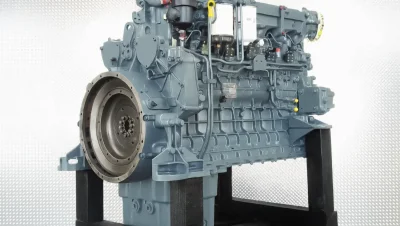
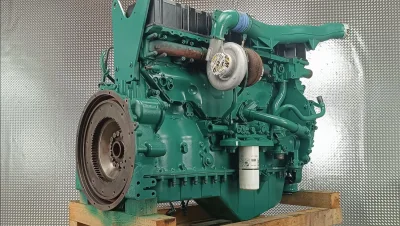
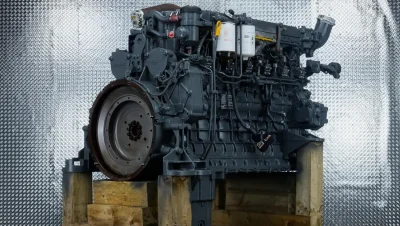
The Liebherr LTM 1450-8.1 mobile crane is one of the most advanced machines designed for heavy lifting operations. Thanks to its eight-axle design, high lifting capacity, and sophisticated control systems, the machine is widely used in the assembly of steel structures, construction of industrial facilities, the energy sector, and major infrastructure projects. The key component ensuring the reliable operation of the crane is the Liebherr D9508 A7 diesel engine – a large-displacement eight-cylinder power unit designed to operate under heavy loads and in demanding operating conditions.
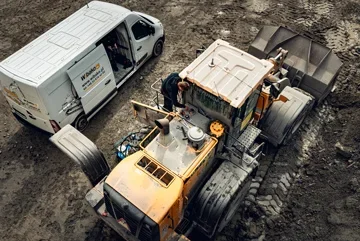
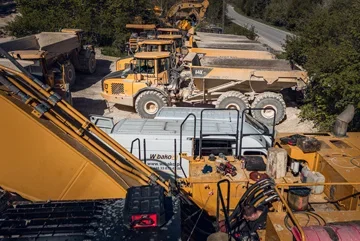
A Liebherr LTM 1450-8.1 mobile crane operating in the Krakow area recently arrived at our construction machinery service center. The operator reported issues with maintaining proper oil pressure, metallic noises coming from the lower part of the engine, and a deterioration in the power unit's running smoothness. Our mobile service team performed diagnostics directly at the customer's site, checking engine operating parameters, analyzing the service history, and inspecting the lubrication system.
Initial measurements showed reduced oil pressure and the presence of fine metal shavings in the oil filters. The symptoms pointed to wear on the crankshaft and connecting rod bearings. To confirm the diagnosis, we performed a detailed oil analysis and further mechanical inspection. Due to the high risk of crankshaft damage, the decision was made to carry out a full overhaul of the Liebherr D9508 A7 engine.
Removal of the Liebherr D9508 A7 engine from the Liebherr LTM 1450-8.1 crane
The removal of the power unit was carried out by our mobile service team directly at the crane's location, utilizing an auxiliary crane provided by the customer. We began the process by preparing the machine for service work and securing all components interacting with the engine.
The electrical installation, fuel lines, cooling system hoses, air intake system, and exhaust system were disconnected. Each connection was properly labeled to ensure subsequent installation complies with the manufacturer's documentation. After unscrewing the mounting points and disconnecting the mating components, the Liebherr D9508 A7 engine was carefully lifted out of the engine compartment and transported to our headquarters in Kojszówka.
In the case of large mobile cranes such as the Liebherr LTM 1450-8.1, the removal process requires careful planning due to the limited working space and the significant weight of the power unit. Proper protection of the installations avoids additional damage and shortens the subsequent reassembly time.
Inspection of the Liebherr D9508 A7 engine in our workshop
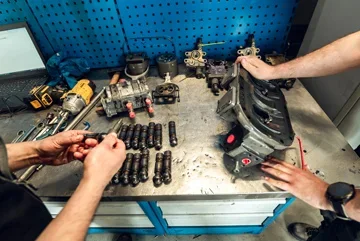
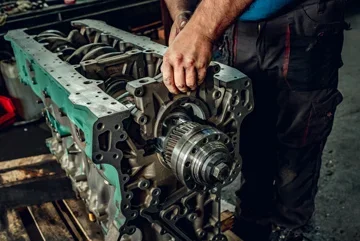
After delivering the engine to the workshop, we began a detailed verification process. The unit was completely disassembled, and all components were thoroughly cleaned and prepared for measurements. The first stage was checking the crankshaft for journal wear, measuring runout, inspecting the condition of the working surfaces, and ensuring the oil passages were clear.
During the inspection, wear on the main and connecting rod bearings was confirmed. The connecting rods were checked for geometry, signs of overheating, and the condition of the bolted connections. Visual and dimensional checks were also performed on the pistons, cylinder liners, and piston rings to determine their suitability for further use.
Repair and Remanufacturing of the Liebherr D9508 A7 Engine
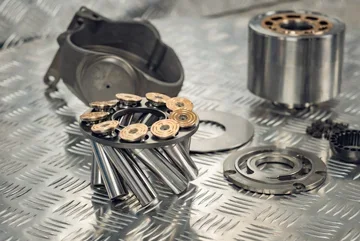
The overhaul process began with restoring the crank-piston assembly to full operational efficiency. The crankshaft underwent detailed measurements, and proper remanufacturing of the working surfaces was performed where repairs were required. New main and connecting rod bearings were installed, and consumable components responsible for the proper functioning of the lubrication system were replaced.
The piston-cylinder system was thoroughly inspected, and worn parts were replaced. New piston rings, seals, and all components necessary to restore the factory parameters of the Liebherr D9508 A7 unit were utilized.
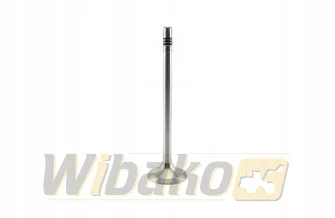
The cylinder heads underwent a remanufacturing process that included surface planing, replacement of valve guides, and valves. The fuel system and components responsible for precise fuel dosing were also inspected in detail. Additionally, the turbochargers were verified, checking the axial and radial clearances of the rotors.
Upon completion of the work, all components were assembled in accordance with the manufacturer's service documentation. Every bolted connection was tightened to the correct torque specifications, a complete set of new seals was applied, and the oil and cooling systems were prepared for subsequent testing.
Testing the Liebherr D9508 A7 Engine on the Engine Dynamometer
One of WIBAKO's greatest assets is the ability to conduct full testing of power units on a professional engine dynamometer before they return to the machine. In the case of large engines used in mobile cranes, such as the Liebherr D9508 A7, these tests are of particular importance, as any potential re-removal of the engine after installation in the machine would involve very high costs and prolonged crane downtime.
Following assembly, the engine was started on the dyno and subjected to the first stage of the break-in process. It operated under a load of approximately 20-30% of its nominal parameters for a minimum of 16 hours. During this time, our mechanics monitored oil pressure, coolant temperature, oil temperature, the tightness of all systems, and the overall stability of the power unit.
After the successful completion of the first testing phase, the engine was gradually loaded to higher values. The dynamometer allows for verification of the achieved power and torque, the engine's response to sudden load changes, the correct operation of the fuel system, and the interaction of the turbochargers with the intake system.
Thanks to hours of testing, we are able to detect even minor irregularities that could lead to costly failures during normal operation. Having our own engine dynamometer is a significant advantage for our Liebherr diesel engine service, as it allows us to return a unit to the customer that has been tested under conditions as close as possible to real-world operation.
The results of the dyno tests are fully documented, and the engine undergoes a final quality control inspection after all testing is complete. Only after a successful completion of the entire process is the Liebherr D9508 A7 unit prepared for transport and reinstallation in the Liebherr LTM 1450-8.1 crane.
Installation of the Liebherr D9508 A7 engine in the Liebherr LTM 1450-8.1 mobile crane
Following the completion of the dyno testing, the engine was delivered to the customer and installed using a crane provided by the crane owner. The installation process required highly precise positioning of the power unit into the machine's frame and the correct reconnection of all interacting systems.
Our mechanics carried out the installation of the fuel lines, electrical system, cooling system, charge air pipes, exhaust system, and all ancillary components. Particular attention was paid to the correct routing of lines, proper securing of connections, and checking the systems for leaks.
After the initial start-up of the engine, a series of functional tests were performed together with the crane operator. The response of the power unit to load changes, the stability of operating parameters, the absence of leaks, and the correct operation of all machine systems were verified. Upon completion of the tests, installation documentation was prepared, and the crane was handed over for further operation.
Maintenance Service after the Liebherr D9508 A7 Engine Overhaul
Every overhauled engine is covered by WIBAKO's ongoing service care. We perform the first mandatory inspection after 50 operating hours. Our mobile service team visits the customer to not only replace filters and check operating fluids, but also to inspect connection tightness, the condition of ancillary components, and the overall performance of the power unit.
We recommend performing subsequent inspections every 250 operating hours, but no less frequently than once every 3 months. Regular maintenance allows for the high reliability of the Liebherr D9508 A7 engine to be maintained and reduces the risk of costly failures in the future.
Liebherr D9508 A7 Engine - Application in Other Machinery
The Liebherr D9508 A7 engine is used in heavy specialist machinery requiring high power and reliability. This unit is utilized, among others, in large Liebherr mobile cranes and other specialized machines working in the harshest environments.
We perform comprehensive servicing of Liebherr diesel engines, including diagnostics, removal and installation at the customer's site, full remanufacturing of power units, and testing on an engine dynamometer before they are restarted in the machine.
Summary
The repair of the Liebherr D9508 A7 engine in the Liebherr LTM 1450-8.1 mobile crane is an advanced process requiring experience, appropriate technical facilities, and specialized diagnostic tools. By combining a mobile service, a professional workshop, and our own engine dynamometer, WIBAKO provides comprehensive service for large construction and specialized machinery.
Following the completed repair, the customer receives a proven engine ready for many more years of operation, along with service support including an inspection after the first 50 operating hours and subsequent periodic technical checks.
Internal links section:
- Repair of Liebherr D9508 A7 engines
- Service of Liebherr mobile cranes
- WIBAKO engine dynamometer
- Mobile service for construction machinery
Repair of the Liebherr D9508 A7 engine in the Liebherr LTM 1450-8.1 crane
Do you need a repair for a Liebherr D9508 A7 engine or service for a Liebherr LTM 1450-8.1 mobile crane? Contact WIBAKO - we perform comprehensive engine overhauls, engine dynamometer testing, and professional installation of power units at the customer's site.