

Volvo D7D Engine Overhaul in a Volvo EC290B Crawler Excavator - Comprehensive Power Unit Service
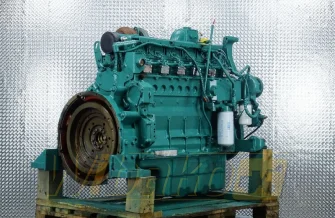
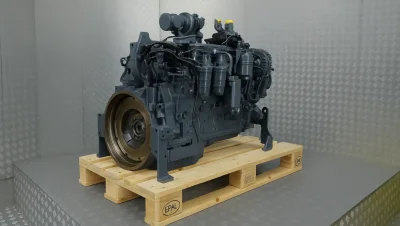
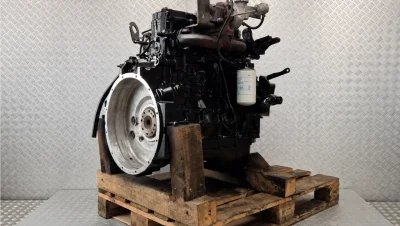
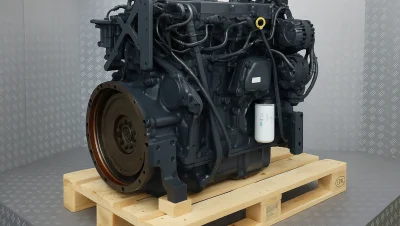
The Volvo EC290B crawler excavator is one of the most recognizable machines working in earthworks, road construction, demolition works, and the implementation of large infrastructure investments. This model was equipped, among others, with the Volvo D7D engine, a six-cylinder diesel unit with a displacement of approximately 7 liters, designed specifically for heavy work in construction machinery. The engine features turbocharging, charge air cooling, and high durability during long hours of operation. The power unit parameters allow for achieving an output of approximately 143 kW, thanks to which the machine maintains high efficiency when working in difficult conditions.
An owner of a Volvo EC290B excavator operating near Kielce in the Świętokrzyskie Voivodeship contacted our service. The machine operator observed a gradual drop in power, increased engine oil consumption, and heavy exhaust smoke when working under load. The symptoms indicated wear of the cylinder-piston system, so we started a detailed diagnostics of the Volvo D7D engine.
Initially, compression pressure measurements, analysis of the unit's operating parameters, and an inspection of the intake system were carried out. Additionally, an endoscopic inspection of the cylinders was performed through the injector holes. The results confirmed excessive wear of the cylinder surfaces and signs of exhaust gas blow-by into the crankcase. After consultation with the owner, a decision was made to perform a comprehensive engine overhaul.
Disassembly of the Volvo D7D Engine from the Volvo EC290B Excavator
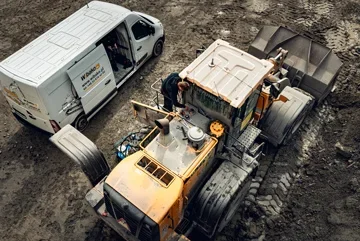
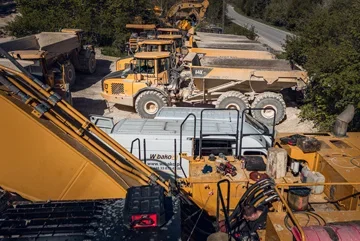
We began the work by preparing the machine for disassembly. Our mobile service arrived at the excavator's parking location. The disassembly was performed using a crane provided by the client. First, the batteries were disconnected, the electrical system was secured, and the operating fluids were drained.
Next, the cooling system hoses, fuel lines, intake system, hydraulic lines cooperating with the engine, and components of the accessories that made it difficult to remove the unit were disassembled. Particular attention was paid to marking all connections so that subsequent assembly would proceed smoothly.
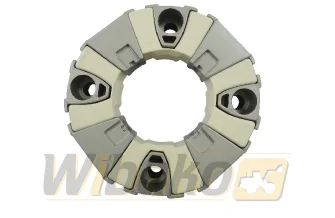
After disconnecting the clutch, engine mounts, and all auxiliary systems, the Volvo D7D unit was carefully removed from the engine compartment and prepared for transport. The engine was transported to our headquarters in Kojszówka, where a full workshop verification was carried out.
Engine Verification in the Workshop
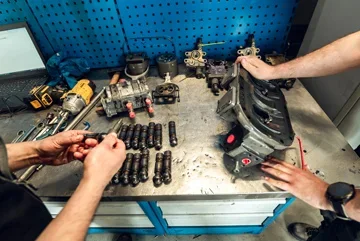
After delivering the unit to the workshop, the detailed verification process began. The first stage was to check the full rotation of the crankshaft and evaluate the operating resistance of the crank mechanism. Then, the engine was completely disassembled.
During disassembly, the cause of the failure previously diagnosed in the machine was confirmed. The cylinder liners showed significant wear, and signs of long-term operation were visible on the piston surfaces. The piston rings lost their required sealing properties, causing a drop in compression and increased oil consumption.
The following were also carried out:
- crankshaft verification including journal measurement, runout control, and oil galley evaluation,
- connecting rod verification for twist and deformation,
- camshaft and cam lobe verification,
- turbocharger inspection for axial and radial play,
- assessment of the condition of the injection pump and injectors,
- cylinder head leak test using the water bath method.
Tests also showed the need for cylinder head regeneration and crankshaft grinding.
Repair of the Crank-Piston System
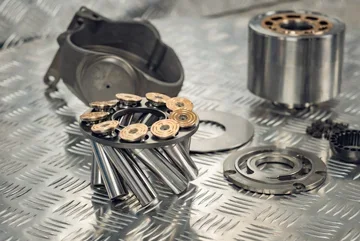
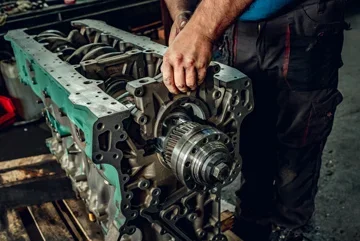
The crank-piston system underwent a comprehensive rebuild. The engine block was thoroughly cleaned and prepared for the installation of new components. As part of the overhaul, the cylinder liners, pistons, and a set of piston rings were replaced.
The crankshaft went through a process of measurements and grinding. After processing, new main and connecting rod bearings were installed, selected according to repair dimensions. The connecting rods were verified in terms of geometry and balance.
Each component was assembled in accordance with the manufacturer's service documentation. All tightening torques were verified using certified measuring tools.
Volvo D7D Engine Cylinder Head Regeneration
The cylinder head underwent full regeneration. The process started with washing and a leak test. Then, the surface adjacent to the engine block was planed.
Valve guides, intake and exhaust valves, and sealing elements were replaced. The valve seats were machined and matched to the new valves. After completion of the work, a leak test of the cooling channels and combustion chambers was carried out.
Thanks to the regeneration, the cylinder head regained its full technical parameters required by the Volvo engine manufacturer.
Fuel System and Accessories Repair
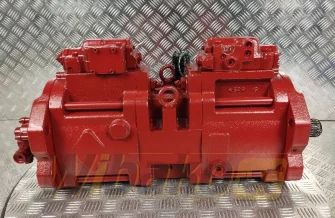
The Volvo D7D engine uses an advanced injection system that ensures high operating refinement and appropriate combustion parameters. As part of the overhaul, testing of fuel system components was carried out on diagnostic test benches.
The injectors were checked for fuel spray quality, tightness, and delivery parameters. The injection pump was sent to a specialized regeneration facility where it was calibrated.
At the same time, a turbocharger inspection was performed. After measuring the clearances and assessing the condition of the rotor, a decision was made to regenerate it. The alternator, starter, pressure and temperature sensors, and components of the engine's electrical system were also verified.
Professional Engine Assembly After Overhaul
After completing all regeneration work, assembly of the engine began. Each component was thoroughly washed, blown out, and prepared for assembly. Particular attention was paid to the cleanliness of the oil and cooling channels, as even small contaminants can shorten the life of the overhauled unit.
During assembly, new seals, gaskets, single-use bolts, and a complete set of filters were used. The correct timing adjustment, fuel system parameters, and tightness of all connections were verified.
After assembly was completed, the engine was equipped with complete intake piping, cooling system hoses, and all components of the accessories required to perform bench tests. Prior to the first start, pre-lubrication of all systems was carried out.
Subsequently, the engine was prepared for operation on an engine dynamometer. This made it possible to check all parameters even before installation in the excavator. This solution significantly reduces the risk of problems after installing the unit in the machine and allows for detecting potential irregularities at an early stage.
Engine Test on the Engine Dynamometer
One of the most important stages of the entire process was the test on our engine dynamometer. This solution distinguishes WIBAKO from many companies dealing with diesel engine repairs. The ability to perform full load tests allows verifying the quality of the work carried out before sending the engine to the customer.
After mounting the Volvo D7D unit on the test bench, the first start was performed. In the initial phase, the engine ran for many hours at a load of approximately 20-30% of the nominal value. This allows for proper bedding-in of the cooperating surfaces of the new components of the crank-piston system.
During the trials, coolant temperature, oil temperature, lubrication pressure, fuel system parameters, exhaust smoke, and operating stability at various speed ranges were monitored. The tightness of all connections and the behavior of the turbocharger were also controlled.
After completing the breaking-in stage, testing under full load began. The dynamometer allows for multiple loading of the engine at various power levels, thanks to which its response can be precisely checked under conditions corresponding to the actual operation of the Volvo EC290B excavator.
During the trials, a series of measurements of torque, power, and fuel consumption were performed. Operating parameters of the cooling and lubrication systems were also recorded. Thanks to this, we obtained full documentation confirming the correct operation of the unit.
After completion of the tests, the engine showed no leaks, unstable operation, or irregularities in combustion parameters. This meant readiness for installation in the customer's machine.
Installation of the Engine in the Volvo EC290B Excavator
After completing the tests, the unit was transported to the customer. We performed the installation again using a crane made available by the machine owner.
The installation process included seating the engine in the compartment, mounting the support brackets, connecting to the clutch, and connecting all installations. Selected service hoses and intake system components requiring renewal were replaced.
After connecting the cooling, fuel, and electrical systems, bleeding of all systems was performed. Then, the first start-up was carried out in the presence of the machine operator.
Functional tests of the excavator were conducted for several hours. The engine's reaction during hydraulic operations, behavior under load, and tightness of all connections were checked. After completing the tests, an assembly report was drawn up confirming the correct execution of the work.
Engine Service After Overhaul
Each engine after an overhaul is covered by a warranty and the possibility of further service by our team. We recommend performing the first inspection after 50 operating hours. During such a visit, our mechanics replace filters, check the tightness of connections, and check the unit's operating parameters.
Subsequent inspections are performed every 250 operating hours, but not less than once every three months. Regular maintenance significantly extends the life of the Volvo D7D engine and avoids costly breakdowns.
Machines Utilizing the Volvo D7D Engine
The Volvo D7D engine was used in many Volvo construction and industrial machines. In addition to the Volvo EC290B crawler excavator, this unit was also found in other models of excavators, loaders, and specialized machines used in construction and industry. The engine design ensures high durability, but under intensive operation after many thousands of operating hours, a comprehensive overhaul often becomes necessary.
Summary
The performed overhaul of the Volvo D7D engine restored the Volvo EC290B crawler excavator to full technical efficiency. The scope of work included diagnostics, disassembly, comprehensive verification, regeneration of the crank-piston system, cylinder head repair, fuel system inspection, tests on the engine dynamometer, and professional installation in the machine.
Thanks to the use of the engine dynamometer and the experience of our mechanics, the customer received a proven unit ready for many years of operation. We perform comprehensive service of construction machinery, Volvo engine overhauls, as well as mobile disassembly and installation of engines throughout Poland.
See also:
Volvo D7D engine overhaul
Volvo crawler excavator service
Volvo diesel engine repair
WIBAKO engine dynamometer
Volvo D7D engine overhaul in a Volvo EC290B excavator
Do you need a professional engine overhaul for a Volvo D7D or service for a Volvo EC290B crawler excavator? WIBAKO performs comprehensive repairs, regenerations, and tests on an engine dynamometer before assembly.