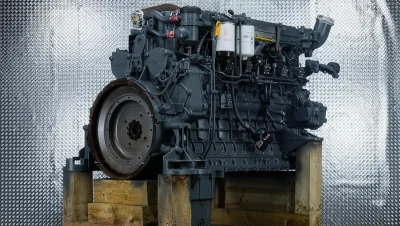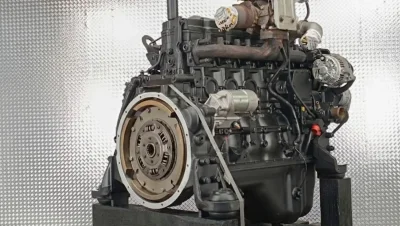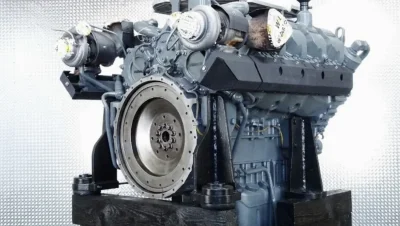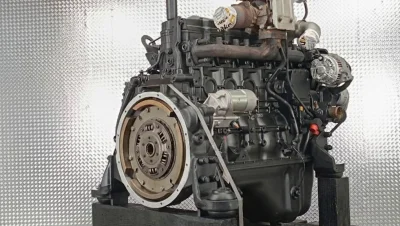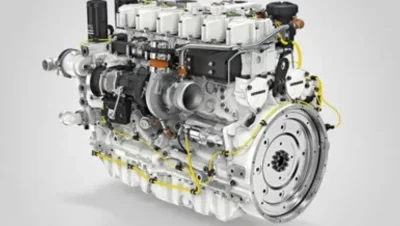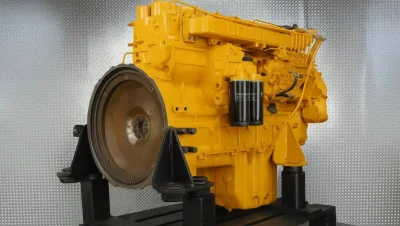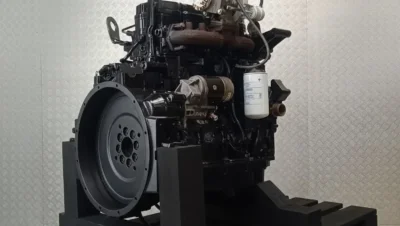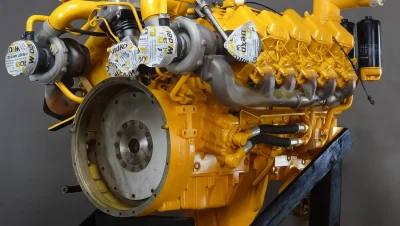


Overhaul of the Liebherr D936 A7 Engine in a Liebherr R 946 Crawler Excavator
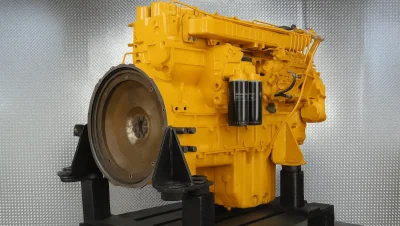
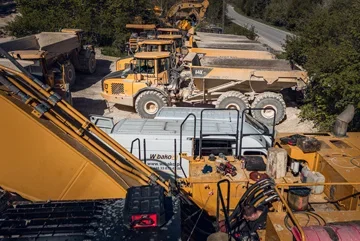
The Liebherr R 946 crawler excavator is a machine designed for heavy earthmoving operations, infrastructure projects, and work in quarries and industrial facilities. The machine was engineered for high hydraulic efficiency, strong breakout force, and stable operation during long working hours. In this case, we carried out a comprehensive overhaul of the Liebherr D936 A7 engine, which had experienced operational wear after many thousands of operating hours in demanding conditions.
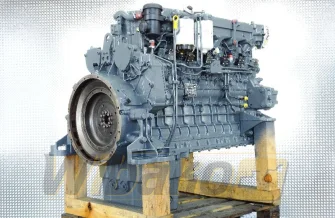
The Liebherr D936 A7 engine is a six-cylinder diesel unit with a displacement of 10.52 liters, used in Liebherr construction and material handling machines. This engine is characterized by high torque output and excellent resistance to heavy-load operation. The manufacturer equipped the engine with a Common Rail injection system and an advanced cooling system designed for harsh working conditions. Depending on the configuration, the engine produces approximately 220 kW of power at 1800 RPM.
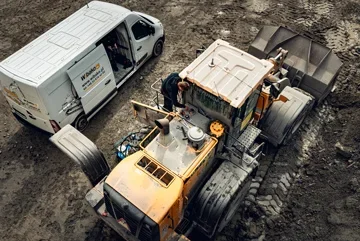
A company performing earthmoving works near Katowice contacted our service department. Machine operators noticed increased engine oil consumption, excessive smoke under load, and a gradual loss of power while operating with a heavy bucket. Additionally, the excavator had starting issues after longer periods of downtime. Our mobile construction machinery service traveled to the machine location to perform an initial diagnosis.
Diagnostics of the Liebherr D936 A7 Engine in a Liebherr R 946 Excavator
The first stage involved analyzing the engine operating parameters during startup and under hydraulic load. Our mechanics inspected the intake system, measured oil pressure, and assessed turbocharger performance. Already during the preliminary inspection, excessive crankcase blow-by and increased exhaust smoke during acceleration were observed.
Next, we performed a compression pressure test on all cylinders. The results showed clear differences between individual cylinders, indicating wear of the crankshaft-piston assembly. We then conducted a cylinder leak-down test and an endoscopic inspection of the combustion chambers. The endoscopic camera revealed visible wear marks on the cylinder liners and carbon deposits on the piston crowns.
During the operational history analysis, it was determined that the machine had primarily been used for heavy earthmoving works and loading rocky material. Long operating hours under high load resulted in natural wear of the cylinders, piston rings, and crankshaft-piston assembly components. Based on the completed tests, a decision was made to carry out a complete overhaul of the Liebherr D936 A7 engine.
Removal of the Engine from the Liebherr R 946 Crawler Excavator
After approval of the repair scope, we proceeded with removing the power unit from the machine. The engine removal was performed by our technicians near Katowice using a crane provided by the customer. The entire process required proper machine securing and precise labeling of all connections and hoses.
First, the batteries were disconnected and the electrical system secured. The coolant and engine oil were then drained. Our mechanics removed the intake system, intercooler piping, SCR system components, and the complete cooling system piping. Special attention was paid to protecting hydraulic hoses located near the engine compartment to prevent contamination.
The next stage involved disconnecting the fuel lines, electrical harnesses, and engine control components. In the Liebherr R 946 excavator, the working space around the engine is limited, which makes removal a task requiring proper preparation and experience. After disconnecting all connections, the engine was lifted out using a crane and prepared for transport to our headquarters in Kojszówka.
After delivery to our workshop, we began external cleaning of the engine and prepared it for disassembly. Even at this stage, signs of intensive operation and contamination of the intake system caused by work in a dusty environment were clearly visible.
Inspection of the Liebherr D936 A7 Engine After Disassembly
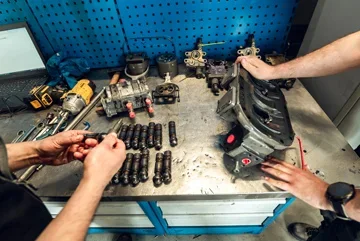
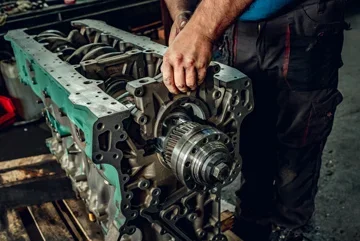
The inspection process began with complete disassembly of the engine into individual components. All parts were thoroughly cleaned and subjected to visual and dimensional inspection. During disassembly, the preliminary diagnosis regarding wear of the crankshaft-piston assembly was confirmed.
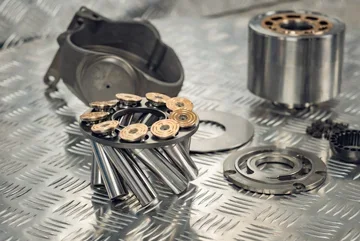
The cylinder liners showed visible wear and micro-scratches resulting from years of operation under heavy load. The piston rings had lost proper sealing capability, causing combustion gas blow-by and increased oil consumption. Additionally, partial wear of the crankshaft main bearings was identified.
The crankshaft underwent detailed inspection, including measurement of the main journals, runout testing, and inspection of oil passages. No cracks were found in the crankshaft; however, measurements indicated the need for a regrinding process. The connecting rods were inspected for twisting, bending, and signs of overheating.
The cylinder head also required complete rebuilding. We performed a pressure test in a heated water bath using compressed air. The cylinder head itself was leak-free, but the valve guides and valve seats showed wear. The exhaust valves displayed signs of high-temperature exposure resulting from prolonged heavy-load operation.
The turbocharger was also inspected. Measurement of axial and radial play revealed the need for rotor regeneration and replacement of sealing components. The fuel injection system was tested on a test bench. The injectors required calibration and replacement of wear components.
Reconditioning of the Crankshaft-Piston Assembly
After completing the inspection process, we began rebuilding the Liebherr D936 A7 engine. The first stage involved reconditioning the crankshaft-piston assembly. The crankshaft underwent professional grinding and was then precisely balanced. After machining, all journal dimensions were carefully checked.
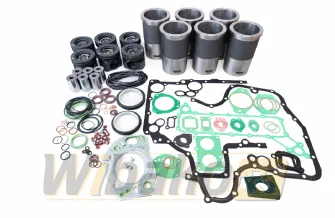
New main and connecting rod bearings meeting the manufacturer’s specifications were installed. The cylinder liners, pistons, and complete piston ring set were also replaced. All components were selected according to repair dimensions established during earlier measurements of the block and crankshaft.
The connecting rods underwent geometry inspection and bolt verification. After completion of the work, all crankshaft-piston assembly components were installed using the correct torque values and Liebherr assembly procedures.
During engine assembly, we place great emphasis on precision and maintaining technological cleanliness. Even minor contamination can affect the service life of the rebuilt engine. Every oil passage was thoroughly cleaned and blown out with compressed air.
Reconditioning of the Cylinder Head and Fuel System
The cylinder head underwent a complete rebuilding process, including resurfacing of the mating surface, replacement of valve guides, and installation of new valves. The valve seats were machined using specialized equipment to ensure proper combustion chamber sealing.
After machining, the cylinder head underwent another leak test. Valve clearances were then adjusted according to the technical documentation for the Liebherr D936 A7 engine. A complete set of valve stem seals and timing system wear components was also replaced.
The fuel injection system was tested on a test bench. The injectors received new nozzle tips and sealing components. After rebuilding, fuel delivery parameters were recalibrated. As a result, the engine now runs evenly and maintains proper combustion characteristics.
The turbocharger was also rebuilt. Bearing components and rotor seals were replaced. After assembly, the turbocharger underwent dynamic balancing and was prepared for reinstallation.
Professional Assembly of the Liebherr D936 A7 Engine
After completing all rebuilding procedures, we began professional engine assembly. The process was carried out in accordance with the manufacturer’s service documentation and using appropriate measuring tools.
Our mechanics carefully checked the fitment of all crankshaft-piston assembly components and verified assembly clearances. Every bolt was tightened using calibrated torque wrenches according to specified torque values. New seals, hoses, and wear components were installed.
Special attention was also given to the cooling and intake systems. Worn hoses, clamps, and rubber intake sealing components were replaced. The radiators and intercooler were thoroughly cleaned, as contamination of these components often leads to elevated engine operating temperatures.
After assembly, the lubrication system was pre-filled and oil pressure was checked while rotating the engine. This allowed us to verify proper lubrication before the first startup. The engine accessories, alternator, starter motor, and complete fuel system were then installed.
The completed engine was prepared for testing on our engine dynamometer. Before startup, we checked all connections, system tightness, and correct operation of the electronic sensors.
Testing the Liebherr D936 A7 Engine on an Engine Dynamometer
One of the most important stages of the overhaul process was testing the engine on our engine dynamometer. This stage allows us to verify the engine before installation in the machine. As a result, the customer receives an engine tested under full working load conditions.
After initial startup, the engine operated for many hours under partial load of approximately 20–30% of nominal capacity. During this time, we monitored coolant temperature, oil pressure, combustion parameters, and Common Rail system performance. We also monitored connection tightness and operating parameter stability.
After the break-in stage, the engine was repeatedly loaded to operating values corresponding to the working conditions of the Liebherr R 946 excavator. The dynamometer enables very precise monitoring of torque, exhaust temperatures, and turbocharger performance. This allows us to detect even minor irregularities before installing the engine back into the machine.
During testing, we also analyzed fuel system operation and engine response to sudden load changes. This is particularly important for crawler excavators operating under heavy hydraulic load. After the overhaul, the Liebherr D936 A7 engine achieved correct operating parameters and stable oil pressure values.
An engine dynamometer is a major advantage of our diesel engine service department. Few companies specializing in construction machinery engine rebuilding have the capability to fully test engines before installation. This significantly reduces the risk of issues occurring during machine startup at the customer’s site. Every test is documented, and the customer receives detailed information about the engine operating parameters after rebuilding.
After completing the load tests, the engine was inspected once again for leaks and any signs of fluid seepage. We replaced the filters and oil after the break-in process. Only after all tests were successfully completed was the engine approved for installation in the machine.
Installation of the Engine in the Liebherr R 946 Excavator
The engine installation was carried out by our mobile service team near Katowice. As during removal, a crane provided by the customer was used. Before positioning the engine, we carefully prepared the engine compartment and inspected the engine mounts and cushions.
The engine was installed according to all manufacturer procedures. The cooling system, fuel lines, electrical installation, and complete intake system were then connected. We paid particular attention to checking the tightness of all air connections, as even minor leaks can affect turbocharger performance and combustion parameters.
After connecting all components, we filled the operating fluids and bled the fuel system. The engine was then started for the first time in the presence of the machine operator. During testing, we checked hydraulic response, operating temperature, and engine behavior under working load.
Our mechanics also performed an additional inspection of hydraulic hoses located near the engine and verified proper operation of the cooling fans. After achieving correct operating parameters, a test drive and working attachment operation test were completed.
After all tests were completed, an installation report was prepared and the machine was handed over to the customer for continued operation.
Liebherr D936 A7 Engine – Applications in Construction Machinery
The Liebherr D936 A7 engine is used in many Liebherr construction and material handling machines. This engine can be found in crawler excavators, material handling equipment, and selected industrial machines.
Thanks to its large displacement and high torque output, the engine performs very well during heavy earthmoving work and continuous operation under hydraulic load. At the same time, it requires regular servicing and the use of high-quality operating fluids and consumables.
Our service department performs comprehensive Liebherr engine repairs and servicing of construction machinery from various manufacturers. We carry out engine removal and installation directly at the customer’s site, then transport the engines to our headquarters in Kojszówka for rebuilding and dynamometer testing.
Summary of the Liebherr D936 A7 Engine Overhaul
The comprehensive overhaul of the Liebherr D936 A7 engine in the Liebherr R 946 crawler excavator restored full machine performance and eliminated issues related to wear of the crankshaft-piston assembly. Thanks to accurate diagnostics, professional rebuilding, and dynamometer testing, the customer received an engine prepared for many more years of operation.
After the overhaul, we recommended performing the first service inspection after 50 operating hours. Our mobile service team carries out inspection of all connections, replacement of filters, and evaluation of engine performance after the break-in period. Subsequent inspections are performed every 250 operating hours, but no less frequently than every 3 months.
If you are interested in professional Liebherr engine service, construction machinery engine overhaul, or engine diagnostics on an engine dynamometer, contact our team.
Liebherr D936 A7 Engine Overhaul
We provide comprehensive overhauls of Liebherr D936 A7 engines used in Liebherr R 946 crawler excavators. Our mobile service performs engine removal and installation directly at the customer’s site, and every rebuilt engine undergoes testing on the WIBAKO engine dynamometer.