

Overhaul of Cummins QSB6.7 Stage IIIA Engine in Terex TL310 Wheel Loader
Introduction – Machine and Power Unit Characteristics
The Terex TL310 wheel loader is a machine designed for intensive work in construction, industrial plants, aggregate mines, and waste management companies. For years, the manufacturer Terex has delivered robust off-highway machines that combine high performance with structural durability. The TL310 model is valued for its excellent power-to-weight ratio, stability, and high operating refinement in difficult terrain conditions.
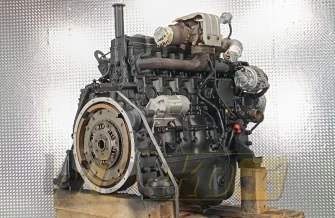
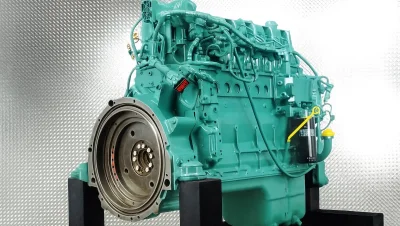
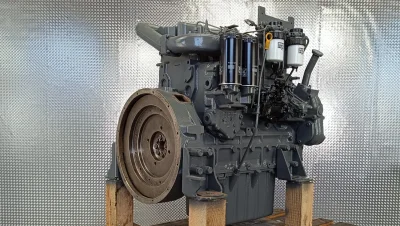
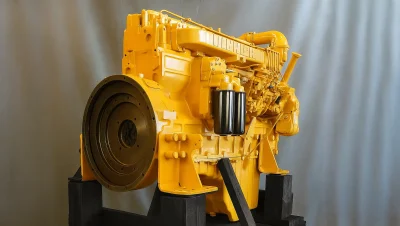
The heart of this machine is the Cummins QSB6.7 Stage IIIA engine – a six-cylinder, in-line diesel unit with a 6.7-liter displacement, equipped with turbocharging and a high-pressure injection system. Cummins QSB series engines are widely used in construction, agricultural, and industrial machinery, and their design ensures high torque at low RPMs and resistance to operation under variable loads.
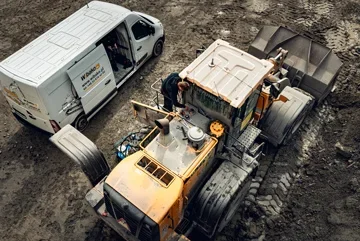
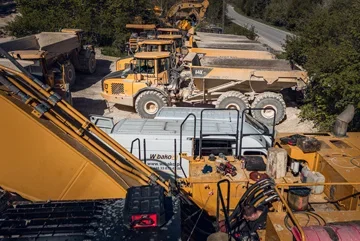
The WIBAKO construction machinery service received an order for a comprehensive repair of this unit. The machine was operating in the Silesian Voivodeship, near Katowice. Our mobile service reached the customer, performed initial diagnostics, and dismantled the engine using a crane provided by the machine owner. Subsequently, the engine was transported to our headquarters in Kojszówka, where we performed full verification and reconstruction.
Initial On-site Diagnostics – Cause of Failure
The operator reported a loss of power, increased oil consumption, and heavy smoking under load. Initial diagnostics suggested wear on the cylinders and pistons. In the first stage, we performed a compression pressure measurement – the results were uneven and below the nominal values for the Cummins QSB6.7 engine. Additionally, we conducted a cylinder leak-down test, which confirmed blow-by into the crankcase.
An endoscopic camera inserted into the combustion chambers revealed visible wear on the cylinder liners and carbon deposits on the piston crowns. Consequently, the engine was qualified for a major overhaul.
Engine Removal from Terex TL310 Loader
Engine removal was carried out at the customer's site. Work began by disconnecting the electrical system, fuel lines, and securing the cooling system. We drained the operating fluids and dismantled the radiator, air intake pipes, exhaust components, and auxiliary equipment.
The engine was disconnected from the gearbox and the machine's supporting frame. Using the crane provided by the customer, the unit was safely removed from the engine compartment. All components were labeled and secured for transport. After loading, we transported the engine to our workshop in Kojszówka.
Engine Verification in the Workshop
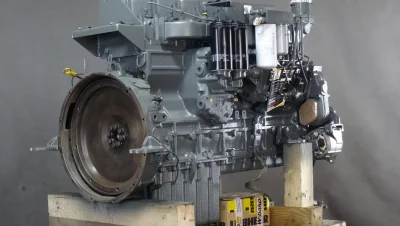
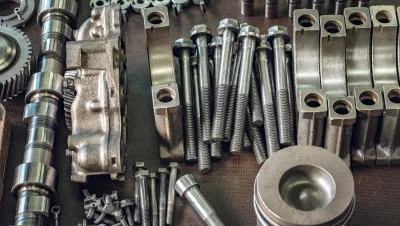
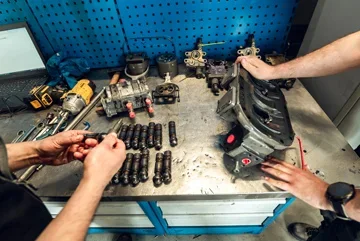
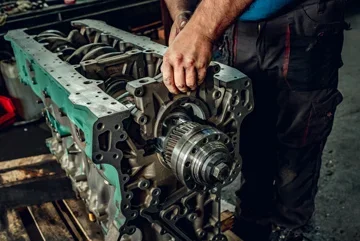
We began the verification process by attempting to rotate the crankshaft and performing an initial clearance assessment. Then, the engine was completely disassembled into individual parts. Every component underwent cleaning and detailed dimensional inspection.
We confirmed significant wear on the cylinder liners and piston rings, as well as signs of overheating on the piston crowns. The crankshaft verification included measuring the journals, checking for runout, and inspecting the oil galleries. The shaft was suitable for grinding. We also checked the connecting rods for twisting and longitudinal bending – two required replacement.
Repair – Crank-Piston Assembly
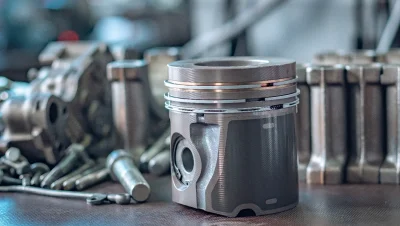
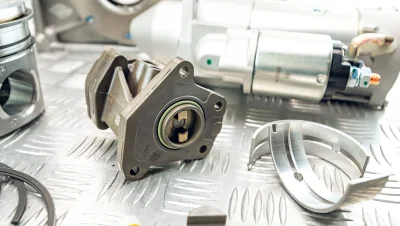
Regeneration included grinding the crankshaft and installing new main and connecting rod bearings. We used new cylinder liners, pistons, and ring sets according to Cummins specifications. All clearances were set according to the manufacturer's service data.
The engine block was checked for alignment and the tightness of the oil channels. Upon completion of the work, the crank-piston system was professionally assembled, maintaining bolt tightening torques in accordance with technical documentation.
Cylinder Head and Fuel System Regeneration
The engine head underwent a pressure test in a water bath. We replaced the valve guides and valves and performed surface grinding of the mating face. Valve seats and sealing were checked after assembly.
The fuel system was inspected – injectors were tested on a test bench, and the injection pump was sent for specialized regeneration at an external facility. The turbocharger was verified for longitudinal and transverse play – it required regeneration.
Engine Dynamometer Test
After assembly, the Cummins QSB6.7 Stage IIIA engine was sent to our engine dynamometer (dyno). This is one of the key stages that distinguishes our Cummins diesel engine service from many other workshops. Thanks to the dynamometer, we can conduct full testing of the unit before it is installed back into the machine.
The engine was started and operated for a minimum of 16 operating hours at a load of 20-30% of the nominal value. We monitored oil pressure, coolant temperature, injection parameters, and idle stability. After the initial break-in period, we moved to full-load tests, simulating the actual working conditions of the Terex TL310 wheel loader.
The dynamometer allowed for repeated loading of the unit to its maximum parameters, emission control, and leak analysis. We also checked the engine's response to sudden load changes. As a result, the customer received a fully tested engine prepared for intensive operation.
Engine Installation in the Machine
Engine installation was again carried out at the customer's facility near Katowice. Our mobile service arrived with a set of tools, new filters, and consumables. The unit was placed into the engine compartment using the customer's crane.
The installation process included precise positioning of the engine on its mounting brackets, alignment with the gearbox, and careful tightening of all bolts to the correct torques. We connected the fuel and electrical systems and installed new air intake hoses. Piping that showed signs of wear was replaced.
After connecting the cooling system, we performed a leak test. Then, the first start-up was carried out in the presence of the operator. We checked for leaks, verified proper alternator charging, and confirmed stability under working load. Following positive tests, a mounting protocol was signed.
Post-Overhaul Engine Maintenance
The engine is covered by a warranty. We recommended the first filter change after 50 operating hours and an inspection of the connections between the engine and its accessories. Our mobile service will perform a follow-up inspection at the customer's site. Subsequent inspections should take place every 250 operating hours, no less than every 3 months.
Applications of the Cummins QSB6.7 Engine
The Cummins QSB6.7 Stage IIIA unit is used not only in Terex wheel loaders but also in excavators, haul trucks, crushers, and other construction machinery. Due to its design, it is a popular engine in the off-highway segment, which means we regularly perform its overhauls and regenerations.
Summary
The comprehensive overhaul of the Cummins QSB6.7 engine in the Terex TL310 wheel loader restored the machine's full efficiency and reduced oil and fuel consumption. Thanks to the dynamometer tests, the customer received a proven unit ready for work under full load. WIBAKO construction machinery service provides full support – from diagnostics and repair to installation and subsequent service maintenance.
If you are interested in Cummins diesel engine service or comprehensive construction machinery service, please contact us.
Cummins QSB6.7 Overhaul in Terex TL310
Do you need a professional repair of a Cummins QSB6.7 Stage IIIA engine in a Terex TL310 wheel loader? Contact WIBAKO - we perform comprehensive overhauls and engine dynamometer tests.