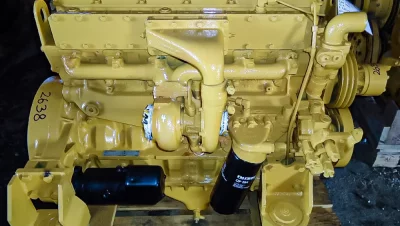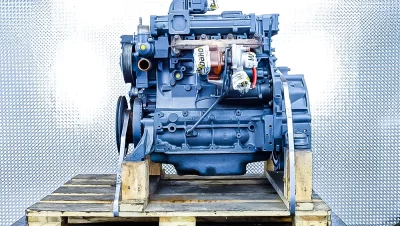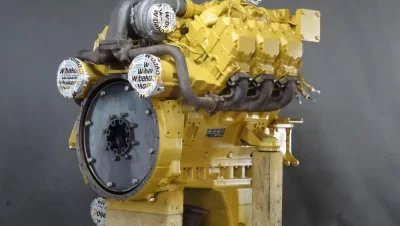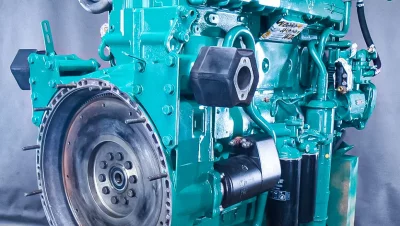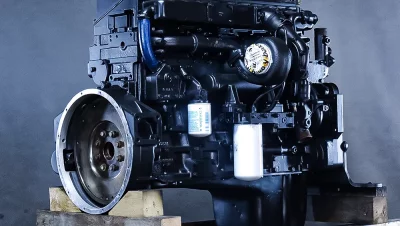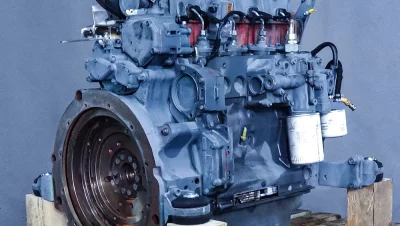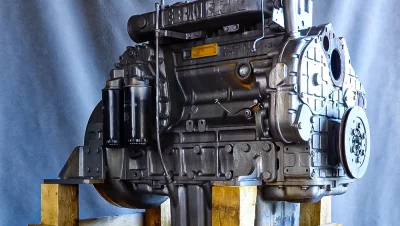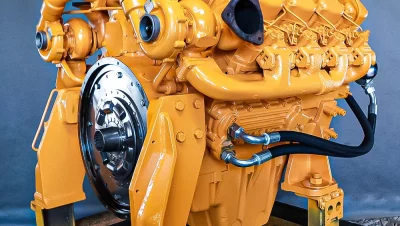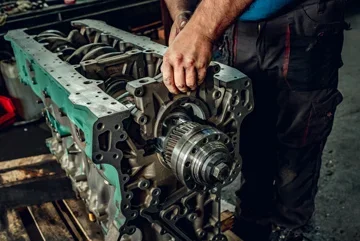


Engine overhaul of Cummins QSB4.5 in Atlas 160W wheeled excavator
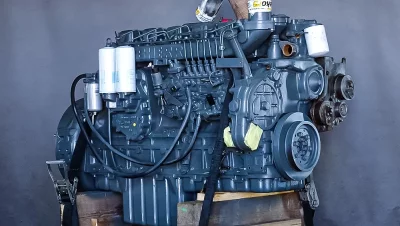
The wheeled excavator Atlas 160W, produced by the renowned company Atlas GmbH, is a machine valued for its mobility, precision of movements, and durability in challenging construction conditions. The heart of this unit is the technologically advanced Cummins QSB4.5 engine with a power output of 130 HP, meeting Tier 3 emissions standards. It is a four-cylinder inline unit equipped with a Common Rail fuel system that ensures high operational culture and optimal fuel consumption. Despite the high reliability of Cummins components, intensive operation in demanding work environments, such as construction sites or road works, can lead to natural wear or failures requiring intervention from specialized service. At WIBAKO, we understand how crucial the efficiency of the machinery fleet is for the profitability of a business, which is why we offer comprehensive support in diagnostics and rebuilding of power units.
Preliminary diagnostics and causes of Cummins engine failure
In this case, the Atlas 160W excavator came under the care of our specialists due to alarming symptoms reported by the operator. The main problem was distinct knocking noises coming from the lower part of the engine block and a sudden drop in oil pressure recorded on the machine's dashboard after the unit warmed up to operating temperature. Additionally, during a routine inspection, small metal shavings were found in the oil filter. These symptoms clearly indicated wear of the crankshaft and connecting rod bearings. Our diagnostic team began by verifying the oil pressure using an external manometer calibrated according to Cummins standards, which confirmed pressure deficiencies across the full range of revolutions. The next step was a detailed analysis of the oil and inspection of the filter, which revealed the presence of material from the bearing sliding layers. Such damage in the Cummins QSB4.5 engine can result from the interruption of the oil film, the use of lubricants with improper parameters, or significant contamination of the oil system, which ultimately qualifies the engine for a comprehensive overhaul in a stationary workshop.
Disassembly of the engine and transport to WIBAKO service
The work began with the dispatch of our mobile service to the town of Łódź in the Łódź Voivodeship, where the machine was performing earthworks. According to our procedures, the mobile service carried out preliminary securing of the machine. Disassembling the Cummins engine from the Atlas 160W excavator is a process that requires precision due to the dense arrangement of equipment in the engine compartment. Our mechanics began by unscrewing the mounting bolts, disconnecting the wiring harnesses controlling the injection system, and removing external equipment components. Special attention was paid to securing the cooling system and air intake components to prevent any contaminants from entering the sensitive points of the machine. The engine disassembly was carried out using a crane provided by the client on-site, allowing for the safe and efficient extraction of the power unit from the excavator's frame. After securing all connections in the machine, the engine was transported to our main headquarters in Kojszówka, where we have full technological facilities for precise rebuilding.
Verification of components in the workshop
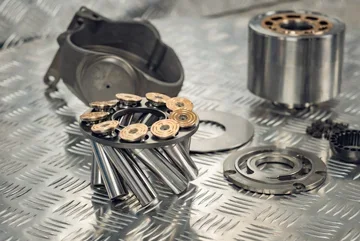
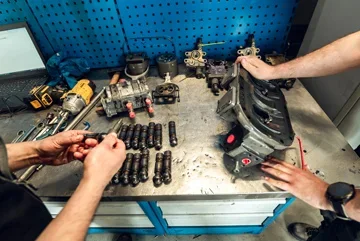
After delivering the engine to the WIBAKO workshop, a complete disassembly of the unit into its basic parts took place. Each component underwent a washing process in ultrasonic and pressure washers, which is essential for a reliable assessment of the technical condition. Verification of the crankshaft involved measuring the main and connecting rod journals using micrometers, checking the shaft runout, and conducting non-destructive testing for potential microcracks caused by overheating due to bearing failure. In the case of this Cummins QSB4.5 engine, significant scratches on the journals were confirmed, necessitating the crankshaft to be sent for grinding. Verification of the cylinder head included checking for leaks by submerging it in heated water (water bath) under air pressure. Valve seats and guide clearances were also checked. Additionally, connecting rods were verified for twisting and longitudinal bending, and the condition of the turbocharger was checked by examining its axial and radial clearances. All measurements are documented and compared with the manufacturer's service data, ensuring the highest quality of repair.
Repair and regeneration process
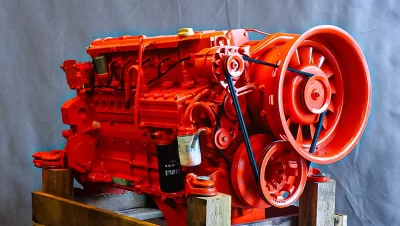
The repair of the Cummins QSB4.5 engine included a wide range of regeneration work. The crank-piston system received a new set of bearings with the appropriate oversize matched to the crankshaft grind. New pistons, rings, and cylinder liners were used, restoring the unit's nominal compression. The engine head underwent a planning process, valve replacement, and seal replacement, with valve seats being precisely lapped. Although we do not regenerate the timing system, we conducted a detailed inspection of the gears and the camshaft, which in this model is crucial for precise valve control. The fuel system, including the high-pressure pump and Common Rail injectors, was tested on a test bench to eliminate the risk of improper fuel dosing that could lead to a repeat failure. The professional assembly of the engine at WIBAKO is carried out with strict adherence to torque specifications using torque wrenches and employing only new seals and top-quality O-rings.
Detailed test on the engine dynamometer
One of the most important stages at WIBAKO is the test on the engine dynamometer. This is a process that distinguishes a professional service from a standard workshop. The Cummins QSB4.5 engine, after assembly, is placed on a specialized test stand, where it is connected to external cooling systems, fuel supply, and advanced measuring equipment. The test lasts a minimum of 16 engine hours and is divided into several key phases. In the first phase, the engine operates under so-called light conditions, with a load of about 20-30% of nominal power. This allows for the initial seating of the piston rings and bearings under controlled conditions. During this time, our engineers continuously monitor oil pressure, coolant temperature, and exhaust parameters.
After the initial break-in period, the dynamic testing phase follows. The engine is subjected to variable load cycles that simulate the real work of the Atlas 160W excavator during digging in heavy soil. The dynamometer allows for precise resistance application, forcing the unit to generate full torque. During these tests, we check the tightness of all connections under maximum pressure and the stability of the Common Rail system. Thanks to the use of the dynamometer, we have 100% confidence that the engine delivered to the customer is free from hidden defects, shows no leaks, and generates power in accordance with the specification of 130 HP. This is a key argument for building trust, as the customer receives a product tested under "combat" conditions before its reinstallation in the machine. The documentation from the dynamometer is an integral part of the acceptance protocol, providing the user with a guarantee of a reliably performed service.
Installation of the engine in the Atlas 160W machine
After successfully completing the dynamometer tests, the Cummins QSB4.5 engine was transported back to Łódź for installation in the Atlas 160W excavator. This process is as demanding as the overhaul itself and takes a significant amount of time to ensure trouble-free operation. The engine installation begins with a thorough cleaning of the engine compartment in the machine. Our service technicians pay special attention to the condition of the engine mounts and the cleanliness of the radiators, which are crucial for dissipating heat from the newly rebuilt unit. The engine is precisely positioned on the mounts using a crane, followed by a tedious process of connecting all media. We replace the entire intake piping and rubber hoses of the cooling system if they show any signs of wear or deterioration. This is essential to avoid equipment failure that could harm the engine.
During installation, we meticulously verify the tightness of the intercooler connections and the fuel system tightness on the machine side (supply pump, low-pressure hoses). After filling with fresh operating fluids and replacing all filters, the first start-up occurs in the presence of the machine operator. WIBAKO technicians conduct a series of functional tests, checking the cooperation of the engine with the hydraulic system of the Atlas 160W excavator. Operating parameters are monitored during boom movements and travel, confirming that the machine control systems properly communicate with the Cummins engine controller. The entire process concludes with the signing of the installation protocol, in which we confirm the absence of leaks, correct idle and working RPMs, and the machine's readiness for operation. Such attention to detail during installation ensures that the excavator returns to full efficiency without the risk of downtime resulting from minor installation oversights.
Summary and service recommendations
The overhaul of the Cummins QSB4.5 engine in the Atlas 160W excavator performed by WIBAKO is an investment that restores the machine's original efficiency and extends its lifespan by thousands of engine hours. Thanks to the application of professional diagnostics, precise mechanical processing, and rigorous dynamometer testing, the client gained assurance that their equipment is ready for the toughest tasks. An important element of our cooperation is engine maintenance after overhaul. We always recommend performing the first oil and filter change after 50 engine hours from start-up. This first inspection is crucial as it allows our mechanics to re-inspect the overall condition of the equipment, check belt tension, and verify any leaks that may have revealed themselves under normal operational vibrations. Each subsequent inspection should take place every 250 engine hours, which is the standard for ensuring the longevity of diesel engines. Our construction machinery service remains at your disposal, offering not only major repairs but also ongoing technical support throughout the country.
Contact us
Do you need an overhaul of the Cummins QSB4.5 engine in the Atlas 160W excavator or service for another construction machine? Contact WIBAKO – we perform comprehensive repairs, mobile diagnostics, and professional dynamometer testing.