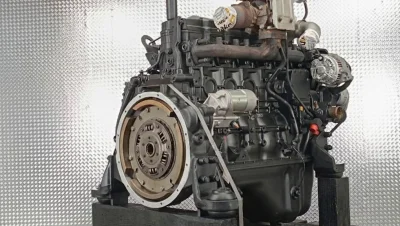
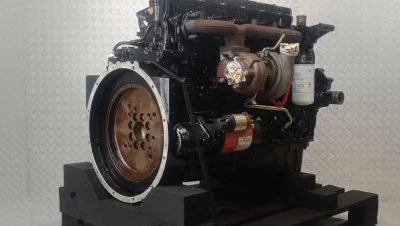
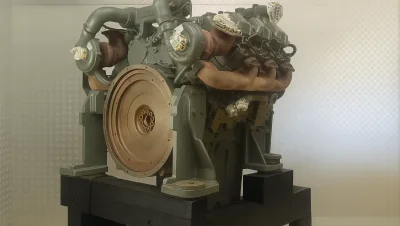
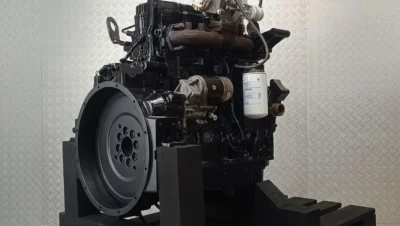
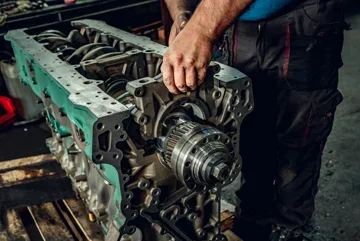
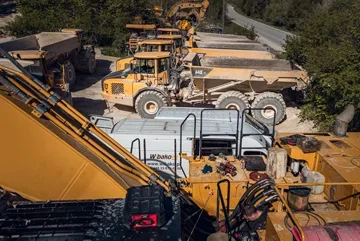
Rebuilding the Caterpillar C6.6 Engine in a Caterpillar 320D E Crawler Excavator
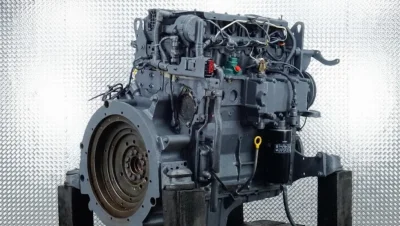
The Caterpillar 320D E crawler excavator is a machine used in earthmoving, construction, roadworks and projects requiring reliable, efficient equipment. The Caterpillar C6.6 diesel engine is responsible for providing the power necessary to perform demanding tasks in varying working conditions. When machines operate for many hours a day, under heavy loads and in challenging environments, natural engine wear can gradually lead to a deterioration in performance.
We received a service request involving the rebuilding of a Caterpillar C6.6 engine installed in a Caterpillar 320D E crawler excavator. The operator had noticed a gradual loss of engine power, increased oil consumption and a deterioration in engine performance when carrying out more demanding tasks. These symptoms were particularly noticeable under heavier loads, when the engine no longer delivered the performance it had previously achieved. The machine owner decided to have the engine thoroughly diagnosed to identify the cause of the problems and determine the necessary repair scope.
The Caterpillar 320D E belongs to the crawler excavator segment and is used in professional construction applications. Caterpillar has been developing machinery designed for demanding operating conditions for many years, and its equipment is used on construction sites, during earthmoving operations, site preparation and infrastructure projects. The Caterpillar C6.6 engine is an important part of the machine's powertrain, and its technical condition directly affects the overall efficiency of the excavator.
At WIBAKO, we carry out comprehensive diesel engine rebuilds for construction machinery. Our work includes diagnostics, engine removal, component inspection, repair and replacement of worn parts, engine assembly, dynamometer testing and reinstalling the engine in the machine. This allows us to verify the engine not only in terms of the quality of the work performed, but also its behaviour under load.
Initial diagnostics of the Caterpillar C6.6 engine before rebuilding
Before removing the Caterpillar C6.6 engine, we carried out an initial inspection of the Caterpillar 320D E excavator. Diagnostics performed on the machine help determine whether the reported symptoms indicate internal engine problems or may result from incorrect operation of auxiliary components, the fuel system, intake system or cooling system. In construction machinery engines, it is important not to rely solely on smoke emissions or a single parameter reading. Several symptoms need to be analysed together.
One of the main problems with this excavator was a noticeable loss of engine performance under increased load. The owner also reported higher engine oil consumption. These symptoms may indicate wear of the piston assembly, reduced cylinder sealing or problems related to the combustion process. We initially checked the basic operating parameters, engine behaviour during starting and stability at different engine speeds.
The inspection included visual checks, leak inspections, an assessment of engine operation during starting and monitoring for any irregularities. We paid attention to oil leaks, the condition of connections and hoses, the intake system and components associated with engine cooling. We also checked oil pressure, as proper lubrication is essential for the durability of the crankshaft, bearings, connecting rods and other moving components.
As part of the more detailed diagnostics, we assessed the possibility of cylinder sealing problems. Reduced compression can cause power loss, uneven engine operation, increased fuel consumption and oil consumption. Depending on the available diagnostic options, this may involve compression measurements, cylinder leak-down tests and inspection using an endoscope. The results of the initial checks allowed us to focus further work on assessing the engine's mechanical condition.
Following the diagnostics, we determined that the engine required comprehensive inspection after removal. Due to symptoms indicating wear in the piston assembly, we decided to dismantle the engine and thoroughly inspect its components. Only after dismantling and measuring the individual parts could we determine the actual scope of the Caterpillar C6.6 rebuild.
Removing the Caterpillar C6.6 engine from the Caterpillar 320D E excavator
Removing a diesel engine from a crawler excavator requires proper machine preparation, protection of the components and adherence to the correct sequence of operations. In the case of the Caterpillar 320D E, we began by preparing the service area and securing the excavator against accidental starting. We then disconnected the components that could obstruct engine removal or become damaged during the process.
Before starting the work, we disconnected the electrical system and secured the wiring and connections. The next step was to disconnect the cooling system components, air intake system and fuel system lines. During removal, we paid particular attention to protecting hose ends and openings against contamination. Even small amounts of dirt can negatively affect the operation of the systems after the engine has been reinstalled.
We also disconnected the auxiliary components and engine mounts. Depending on the machine's design and the accessibility of individual components, it is necessary to prepare the space properly to ensure safe engine removal. All components removed from the engine and machine were secured accordingly, and the connections were prepared for subsequent reassembly.
The engine was removed using a crane provided by the customer. During lifting, we monitored its position and paid attention to the risk of contact with structural components of the excavator, hoses or other auxiliary equipment. The engine was gradually lifted out of the compartment, with its position controlled throughout the operation. Proper removal reduces the risk of damage and makes subsequent installation easier.
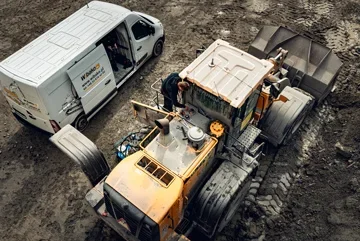
Once the Caterpillar C6.6 engine had been removed from the Caterpillar 320D E excavator, it was prepared for transport to our workshop. When work is carried out at the customer's site, our mobile service team handles engine removal, while further rebuilding work is performed in our properly equipped workshop. This solution allows us to thoroughly inspect the engine, perform measurements and repair components requiring specialised equipment.
The removal work involving the excavator was carried out in the Katowice area. Our mobile service performs engine removal and installation throughout Poland. When an engine requires a comprehensive rebuild, we transport it to Kojszówka, where further inspection and repair work is carried out.
Inspection of Caterpillar C6.6 engine components
After the engine was delivered to our workshop, we began dismantling it. Engine inspection involves thoroughly checking individual components, taking the necessary measurements and assessing whether they can be reused. In the case of the Caterpillar C6.6, it was important to determine how piston assembly wear had affected engine performance and whether the remaining components were still in suitable technical condition.
The engine was dismantled into its individual components. The parts were cleaned to allow a more accurate assessment of their condition. We then carried out visual inspections and measurements. During the inspection, we do not focus exclusively on components directly responsible for the reported symptoms. A comprehensive rebuild also requires checking the cooperating components, as their wear may lead to further failures after the engine has been reinstalled.
We inspected the engine block, cylinder condition and components associated with the lubrication system. We paid attention to signs of wear, mechanical damage, overheating and possible irregularities resulting from previous operating conditions. All components were assessed individually and prepared for further repair work.
Inspection of the engine block and cylinders
The engine block is the main structural component of the engine, so its technical condition is essential for the durability of the entire unit. During the inspection, we checked the mating surfaces, cylinder condition and components associated with the lubrication system. We looked for wear, mechanical damage, signs of overheating and irregularities resulting from previous operation.
We assessed the cylinder working surfaces and carried out measurements to determine the degree of wear. We also checked for irregularities in cylinder geometry that could affect piston assembly sealing. In engines operating in crawler excavators, cylinder inspection is one of the fundamental stages of rebuilding, as cylinder condition directly affects compression pressure, oil consumption and combustion efficiency.
We also inspected the block surfaces that interact with other engine components. We assessed the condition of mounting points, connections and areas where leaks may occur. The engine block was prepared for further rebuilding work.
Inspection of the crankshaft and connecting rods
The crankshaft converts the pistons' reciprocating motion into rotational motion. In the Caterpillar C6.6 engine, this component operates under significant loads, so its condition is essential for engine durability. During the inspection, we carried out a visual examination of the crankshaft, looking for signs of overheating, wear, surface damage and possible cracks.
We measured the crankshaft journals, checked crankshaft runout and assessed the surfaces that work with the bearings. The inspection also included oil passages, whose cleanliness and unobstructed flow are essential for proper lubrication. Based on the measurement results, we determined the scope of work necessary to restore the crankshaft to the required parameters.
The connecting rods were also thoroughly inspected. We checked their visual condition, looking for signs of excessive loads, cracks, deformation and overheating. We carried out measurements to assess connecting rod geometry, including possible distortion and twisting. The inspection also covered fastening components, as the correct connection between the connecting rods and other piston assembly components is essential for safe engine operation.
Inspection of pistons, piston rings and bearings
Pistons, piston rings and bearings are components whose condition directly affects cylinder sealing, compression, lubrication and overall engine performance. During the dismantling of the Caterpillar C6.6, we inspected the pistons, assessed their working surfaces and checked for signs of overheating, mechanical damage or irregularities resulting from previous operation.
The inspection of piston rings included assessing their wear, the condition of the piston ring grooves and the mating surfaces. Worn or damaged piston rings may allow oil to enter the combustion chamber, increase blow-by into the crankcase and reduce cylinder sealing. In engines used in crawler excavators, such problems may lead to gradual power loss and increased oil consumption.
We also inspected the crankshaft and connecting rod bearings. Their condition helps assess lubrication conditions and possible irregularities associated with loads and oil pressure. During the inspection, we looked for signs of wear, scratches, discolouration and surface damage. Components whose parameters did not meet the required specifications were qualified for replacement or appropriate machining.
Inspection of the Caterpillar C6.6 engine cylinder head
The cylinder head is responsible for proper valve operation, combustion chamber sealing and cooperation with other combustion system components. Its technical condition directly affects engine performance, so during the Caterpillar C6.6 rebuild, we thoroughly inspected the cylinder head.
We checked the condition of the valves, valve seats, guides and mating surfaces. We also assessed the components associated with the valve train. Cylinder head inspection includes checking clearances, component wear and the possibility of reuse. Components requiring rebuilding must be restored to the correct geometric parameters and proper sealing must be ensured.
We also carried out a cylinder head leak test. This procedure allows us to detect cracks and leaks that may not be visible during a standard visual inspection. The inspection involves an appropriate testing method, including a heated water bath and compressed air. This allows us to assess whether the cylinder head remains sealed and can be reused after rebuilding.
Inspection of the fuel system and auxiliary components
The Caterpillar C6.6 fuel system is responsible for delivering fuel and ensuring its proper dosing during combustion. Fuel system irregularities may cause power loss, increased fuel consumption, excessive smoke and uneven engine operation. During the rebuild, we checked the condition of the fuel system components, assessed their wear and prepared them for further work.
We also inspected the turbocharger. We checked axial and radial play, the condition of rotating components and mating surfaces. The turbocharger significantly affects the amount of air supplied to the engine, so its correct operation is important for achieving the required engine performance. The inspection also covered other auxiliary components that may affect engine reliability.
After completing the inspection, we prepared the Caterpillar C6.6 engine for rebuilding. The scope of work was determined based on the actual condition of the individual components rather than solely on the reported symptoms. This approach allows us to carry out a comprehensive rebuild and reduce the risk of the same problems occurring again after the engine has been installed in the Caterpillar 320D E excavator.
Rebuilding the Caterpillar C6.6 engine
The rebuilding of the Caterpillar C6.6 engine involved restoring the mechanical parameters of the power unit. After completing the inspection, we proceeded with rebuilding and replacing components whose condition did not allow further operation. Throughout the process, we used parts suitable for the engine's design and required technical specifications.
A comprehensive diesel engine rebuild is not limited to replacing individual parts. Proper preparation of mating surfaces, maintaining correct installation dimensions, checking clearances and performing the work according to technical requirements are all essential. Every stage of the rebuild affects the engine's durability, so the work is carried out with the condition of all components in mind.
Rebuilding the piston assembly
The piston assembly is one of the most important areas during the Caterpillar C6.6 rebuild. It is responsible for combustion, transferring force from the pistons to the crankshaft and ensuring proper engine operation under load. In an engine used in a crawler excavator, these components must maintain the correct parameters to ensure stable operation during demanding tasks.
As part of the rebuild, we prepared the piston assembly for reinstallation. The work included crankshaft rebuilding according to the measurement results and preparing the remaining cooperating components. The crankshaft underwent the required machining, and its working surfaces were prepared for operation with new lubrication system components.
We replaced worn piston assembly components, including parts responsible for proper piston guidance, cylinder sealing and cooperation with the crankshaft. During the installation of new components, we paid particular attention to maintaining the required clearances, correct component positioning and inspection of mating surfaces.
Before installing the individual components, we thoroughly prepared the working surfaces. All parts were cleaned, and the oil passages were checked for unobstructed flow. During assembly, we checked component positioning, bearing installation and connecting rod fastening. The work was carried out according to the required assembly procedures and tightening torque specifications.
After assembling the piston assembly, we checked its mechanical operation. We verified that the crankshaft could rotate freely, assessed the interaction between the individual components and prepared the engine for the next stages of rebuilding. Proper rebuilding of the piston assembly is essential for reducing oil consumption, restoring compression and improving Caterpillar C6.6 engine performance.
Cylinder head rebuilding
The Caterpillar C6.6 cylinder head was prepared for rebuilding based on the inspection results. The work involved restoring the parameters of components responsible for combustion chamber sealing and proper valve operation. During cylinder head rebuilding, we machined the surface, replaced worn valve guides and prepared the valves and seats for further operation.
Replacing valve guides helps restore proper valve guidance and reduce irregularities associated with valve movement. Worn guides may cause sealing problems, excessive component wear and issues related to combustion system operation. After replacing the guides, we continued working on the valves and valve seats.
We prepared the mating surfaces, checked the valve condition and carried out the necessary work to ensure proper sealing. During the rebuilding process, we also inspected the remaining cylinder head components, paying attention to their technical condition and suitability for reuse. Components showing irregularities were appropriately prepared for replacement or rebuilding.
After completing the work, we inspected the cylinder head again. The inspection included checking its sealing, verifying the work performed and preparing the component for installation on the engine block. Rebuilding the cylinder head helps restore proper combustion conditions and reduce the risk of compression loss.
Fuel system repair and inspection
During the Caterpillar C6.6 rebuild, we also inspected the fuel system. Proper fuel dosing and preparation for combustion are essential for engine performance, fuel consumption and emissions. Fuel system irregularities may cause starting problems, uneven engine operation, power loss and excessive smoke.
As part of the work, we checked the condition of the fuel system components and assessed their suitability for further operation. Components requiring repair were prepared for the appropriate rebuilding procedures. For parts requiring specialised equipment for accurate inspection, we use external workshops specialising in professional testing and rebuilding of fuel injection system components.
After completing the work, we prepared the fuel system for installation. We checked the connections, mounting surfaces and fuel lines, paying particular attention to cleanliness throughout the process. In engines equipped with fuel injection systems, it is especially important to prevent contaminants from entering components responsible for precise fuel delivery.
Before starting the engine on the dynamometer, the fuel system was prepared for operation according to the technical requirements. Proper fuel injection system operation is one of the factors affecting engine stability, so its inspection is an important part of a comprehensive Caterpillar C6.6 rebuild.
Inspection and preparation of engine auxiliary components
During an engine rebuild, it is also necessary to inspect the auxiliary components that work with the power unit. In the case of the Caterpillar C6.6, the inspection covered components responsible for air intake, exhaust gas discharge, cooling, lubrication and proper engine starting.
We inspected the turbocharger, assessed its technical condition and prepared it for further operation according to the inspection results. The turbocharger increases the amount of air supplied to the cylinders, which is important for achieving the required engine performance. Irregularities in its operation may cause power loss, increased smoke and problems reaching the required engine speed.
We also checked electrical and mechanical auxiliary components. We inspected connections, mounting points and components that may affect proper engine starting. We prepared the cooling system components and other auxiliary parts, paying attention to their condition and suitability for reuse.
Before engine assembly, all components were cleaned and prepared for installation. Components showing irregularities were repaired or qualified for replacement. Comprehensive inspection of auxiliary components helps reduce the risk of further failures after the engine has been rebuilt.
Professional assembly of the Caterpillar C6.6 engine
After completing the rebuilding of the individual components, we proceeded with assembling the Caterpillar C6.6 engine. This process requires precision, adherence to the correct assembly sequence and inspection of individual component parameters. Every stage of engine assembly affects its subsequent operation, so all components were prepared before assembly began.
Before assembly, we checked the cleanliness of mating surfaces, the condition of connections and component preparation. Contaminants in diesel engines may lead to lubrication system damage, excessive wear of working surfaces or problems with fuel system operation. Therefore, we take particular care during assembly and inspect every component before installation.
We first prepared the piston assembly components and then installed the remaining parts according to the engine's technical requirements. During assembly, we checked the correct positioning of components, their installation and cooperation with other parts. We used appropriate tools to maintain the required assembly parameters.
After preparing the piston assembly, we proceeded with installing the cylinder head. The mating surfaces were properly prepared, and the components were installed according to the required sequence and tightening torque specifications. Proper connection of the cylinder head to the engine block is essential for combustion chamber sealing and the integrity of the cooling and lubrication systems. During assembly, we also checked valve train components and other related parts.
In the following stages, we installed the engine auxiliary components. We prepared the fuel system, cooling system, intake system and other components necessary for engine starting. We checked the condition of hoses, connections and mounting points, and components requiring additional inspection were checked before installation.
After completing the assembly, the Caterpillar C6.6 engine was prepared for its first start. Before testing, we checked the completeness of the assembly, the proper connection of the systems and the condition of the components responsible for lubrication and cooling. We also carried out preparatory procedures related to starting an engine after rebuilding, including preparing the lubrication system and checking connections.
Assembling a diesel engine requires not only technical knowledge but also experience working with engines used in construction machinery. At WIBAKO, we rebuild Caterpillar, Deutz, Cummins, Perkins, Liebherr, Kubota and other engines. With our workshop equipment, we can carry out comprehensive repairs on power units used in excavators, wheel loaders, dump trucks, crushers and other off-highway machinery.
Testing the Caterpillar C6.6 engine on the engine dynamometer
After completing the rebuild, the Caterpillar C6.6 engine was prepared for testing on the engine dynamometer. Testing the power unit before reinstalling it in the Caterpillar 320D E excavator allows us to check its operation under controlled conditions and assess its behaviour under load. The engine dynamometer is an important part of the rebuilding process because it allows us to verify the engine after assembly, rather than relying solely on operation at idle.
At WIBAKO, we have an engine dynamometer that allows us to test power units used in construction machinery. This enables us to check engines before installation, monitor operating parameters and assess whether the rebuilding work has produced the expected results. Load testing allows us to observe engine behaviour under conditions closer to actual operation than simply starting the engine in the workshop.
Before testing on the dynamometer, we checked the engine's completeness, the condition of its connections and the preparation of the systems required for safe starting. We then carried out the first start, monitoring engine stability, oil pressure, temperature and overall behaviour. The initial testing stage is particularly important for engines after a comprehensive rebuild, as it allows us to observe the operation of individual systems during the initial operating period.
After starting the engine, we began the run-in process on the dynamometer. Power units after rebuilding require an appropriate operating period during which the mating components gradually adapt to one another. During this time, we monitor operating parameters and do not immediately apply loads corresponding to the engine's maximum capabilities. For rebuilt engines, we use a light-load operating phase of approximately 20-30% of nominal load for at least 16 hours, where the engine characteristics and test conditions allow.
During this stage, we monitor temperature, oil pressure, engine speed stability and overall behaviour. We also look for leaks, abnormal noises and changes in operating parameters. If the engine operates correctly and no concerning symptoms occur, we can proceed to the next testing stages, gradually increasing the load.
After the initial operating period, the engine undergoes repeated tests at higher loads. These tests allow us to check how the power unit behaves when the demand for power increases. During the tests, we monitor operating parameters and assess engine stability under different load conditions. We pay attention to temperature, oil pressure, response to changes in load and proper operation of the systems.
The engine dynamometer also allows us to identify irregularities that may not be visible when the engine operates without load. For engines used in crawler excavators, it is important to check their behaviour under conditions requiring adequate power and stable operation. Thanks to the tests, we can assess whether the engine has been assembled correctly, whether the systems work together properly and whether the power unit is ready for further operation.
During dynamometer testing, we also inspect the connections and auxiliary components for leaks. We check for oil, coolant or other fluid leaks. We monitor the turbocharger, cooling system, lubrication system and components associated with air intake and exhaust gas discharge. The tests allow us to assess the engine as a complete power unit rather than only its individual components.
For engines used in construction machinery, the dynamometer is an important quality control tool. It helps reduce the risk of installing a power unit that has irregularities requiring further repair. If any concerning symptoms appear during testing, the engine can be inspected again and prepared for additional work.
After completing the tests, we assessed the Caterpillar C6.6 engine's behaviour under load. The power unit was prepared for reinstallation in the Caterpillar 320D E excavator. Dynamometer testing allowed us to verify the engine after rebuilding and perform final checks before reinstalling it.
At WIBAKO, we test diesel engines used in various types of construction and industrial machinery. Our engine dynamometer allows us to test rebuilt power units, monitor their operating parameters and verify the quality of the repairs performed. This means the customer receives an engine that has been tested under workshop conditions before installation.
Installing the Caterpillar C6.6 engine in the Caterpillar 320D E excavator
After completing the rebuild and dynamometer tests, the Caterpillar C6.6 engine was prepared for reinstallation in the Caterpillar 320D E crawler excavator. Engine installation is another important stage of the entire service process. It requires proper preparation of the engine compartment, inspection of mounting points, correct connection of the systems and testing after starting.
We began the installation work by preparing the machine. We checked the engine compartment, mounting points and components that had been disconnected during removal. Inspection before installation helps ensure that the space intended for the power unit is properly prepared and that the remaining components are not damaged or affected by irregularities that could influence subsequent engine operation.
The engine was lowered into the compartment using a crane provided by the customer. During lifting and positioning, we monitored its position, paying attention to proper alignment with the mounting points and other structural components of the excavator. Installation was carried out gradually, with the engine position controlled and the risk of damaging hoses, auxiliary components or mating surfaces minimised.
After positioning the engine correctly, we proceeded with installing the mounts. We checked that the power unit was properly seated and completed the connections according to the machine's technical requirements. We then connected the remaining systems. Each connection was inspected to ensure proper installation and suitability for operation.
We connected the cooling, lubrication, fuel and intake systems. During installation, we checked the condition of the hoses and connections, and components showing signs of wear or damage were prepared for replacement. Particular attention was paid to the air intake piping, as proper air delivery to the engine is essential for its performance and durability. We checked the positioning of the pipes, their mounting points and the tightness of the connections.
During installation, we also inspected the cooling system. Proper cooling is essential for an engine operating in an excavator, as the power unit may run for many hours under heavy load. We checked hose connections, mounting points and the condition of the cooperating components. After preparing the system, we carried out the procedures related to filling the fluids and preparing the engine for starting.
Before the first start after installation, we checked the completeness of the connections, hose condition, mounting points and the proper preparation of the systems. We inspected the fuel system, lubrication system, cooling system and intake system. We also checked the electrical connections and auxiliary components that may affect engine starting and operation.
After preparing the machine, we proceeded with the first start of the Caterpillar C6.6 engine. During starting, we monitored its behaviour, paying attention to stability, correct engine speed and any irregularities. After starting, we checked oil pressure, operating temperature and system tightness. The inspection also included checking the connections and hoses that may have been disturbed during installation.
After the initial tests, we carried out further inspections. We checked for oil, coolant or fuel leaks. We assessed the condition of the hoses, connections and mounting points, as well as the correct operation of auxiliary components. Checking connection tightness is important because after the engine is restarted and reaches operating temperature, irregularities may appear that were not visible during installation.
We also carried out machine tests with the operator. During the tests, we assessed engine behaviour under excavator operating conditions, paying attention to its response to changes in load and parameter stability. The operator was able to assess the power unit's performance during basic working operations, while our service technicians monitored the correct operation of the engine and other systems.
The post-installation tests also included checking the connections and assessing engine operation after reaching operating temperature. We checked whether the power unit operated steadily, whether any abnormal noises occurred and whether the lubrication and cooling systems maintained the required parameters. After completing the tests, we carried out another inspection of the engine and its connections.
After successfully completing the installation tests and confirming the correct operation of the engine in the Caterpillar 320D E excavator, we prepared the documentation of the work performed. When installing rebuilt engines, we carry out checks in the presence of the operator and, after successful testing and confirming system tightness, sign an installation report. This provides the customer with information about the work performed and the condition of the machine after servicing.
Servicing the Caterpillar C6.6 engine after rebuilding
After a comprehensive rebuild of the Caterpillar C6.6 engine, it is important to follow the recommendations regarding further operation. The initial operating period is important for the proper functioning of components that have been replaced or rebuilt. Proper maintenance allows us to monitor the engine's condition, track its operating parameters and identify possible irregularities at an early stage.
After installing the engine in the Caterpillar 320D E excavator, we recommend carrying out the first inspection after 50 operating hours. During this inspection, our mechanics check the condition of the power unit, inspect connections, assess system tightness and replace filters and engine oil according to the recommendations for the engine and the materials used.
The 50-hour inspection is not limited to replacing filters and oil. It is important to check the overall condition of the auxiliary components, hose connections, mounting points and engine operation after the initial operating period. Irregularities may occur during normal operation, so an inspection performed by our mechanics allows us to assess the engine and prepare it for further use.
After the first inspection, we recommend subsequent checks every 250 operating hours, but no less frequently than every three months. Regular servicing includes checking operating parameters, inspecting system tightness, assessing auxiliary components and replacing consumables according to the manufacturer's requirements. For machines operating in difficult conditions or under heavy loads, particular attention should be paid to the cooling, lubrication and intake systems.
At WIBAKO, we also carry out service inspections of engines after rebuilding. Our mobile service can travel to the customer to inspect the power unit after installation. This means the owner of a Caterpillar 320D E excavator does not need to arrange additional machine transport to the workshop, as the inspection can be carried out at the operating site.
Regular servicing of the Caterpillar C6.6 engine after rebuilding is essential for its durability. Proper operation, monitoring of engine parameters and inspections at the recommended intervals help reduce the risk of failures and maintain the power unit in good technical condition.
Caterpillar C6.6 engine applications in construction machinery
The Caterpillar C6.6 engine is a power unit used in various machines and equipment employed in the construction, industrial and infrastructure sectors. Engines from this family may be available in different configurations depending on the machine model, engine version, application and manufacturer requirements. When identifying an engine, it is important to check its serial number and technical data, as individual versions may differ in equipment, parameters and components.
Caterpillar C6.6 engines are associated with machinery used for earthmoving, infrastructure projects, material handling and other applications requiring an efficient power source. Depending on the specifications of a particular model, engines of this type may be found in various configurations of excavators, wheel loaders, industrial machines and specialised equipment.
In the Caterpillar 320D E crawler excavator, the C6.6 engine provides the power required to operate the machine's systems. Proper engine operation affects working efficiency, the ability to perform tasks under load and stability during prolonged operation. Therefore, an engine rebuild should include not only the replacement of worn components but also inspection of all elements affecting its operation.
If you own a machine equipped with a Caterpillar C6.6 engine and notice power loss, increased oil consumption, smoke, starting problems or irregular operating parameters, it is worth carrying out a thorough diagnosis. At WIBAKO, we rebuild Caterpillar engines used in excavators, wheel loaders, articulated dump trucks and other construction machinery.
Proper engine identification helps us select the correct parts and determine the necessary scope of work. When requesting a rebuild quotation, it is worth providing the engine serial number, machine details or a photo of the engine identification plate. This allows us to identify the engine configuration more accurately and provide information regarding repair options.
Summary of the Caterpillar C6.6 engine rebuild in the Caterpillar 320D E excavator
The Caterpillar C6.6 engine rebuild in the Caterpillar 320D E crawler excavator included diagnostics on the machine, engine removal, component inspection, rebuilding and replacement of worn parts, engine assembly, dynamometer testing and reinstallation in the excavator. A comprehensive approach to the repair allows us to inspect all important components and prepare the power unit for further operation.
For diesel engines used in construction machinery, it is important to determine the actual extent of wear and perform repairs based on measurements. This makes it possible to restore the required operating parameters, reduce the risk of further failures and improve machine reliability. Engine dynamometer testing provides an additional quality control stage, allowing us to check the power unit before reinstalling it.
At WIBAKO, we rebuild diesel engines used in crawler excavators, wheeled excavators, wheel loaders, articulated dump trucks, crushers, screening machines, cranes and other off-highway machinery. Our services include comprehensive power unit rebuilds, diagnostics, auxiliary component repairs and mobile service.
For Caterpillar excavators, we provide support in engine diagnostics, removal and installation, power unit rebuilding and post-rebuild servicing. Our experience working with engines used in construction machinery and our workshop equipment allow us to carry out repairs tailored to the technical condition of each engine.
If the Caterpillar C6.6 engine in your Caterpillar 320D E excavator requires rebuilding, repair or diagnostics, contact WIBAKO. We specialise in diesel engine servicing, comprehensive engine rebuilds and dynamometer testing. Our mobile service performs engine removal and installation in construction machinery throughout Poland, while rebuilding work is carried out at our workshop in Kojszówka.
Caterpillar C6.6 Engine Rebuild
Loss of power or increased oil consumption in your Caterpillar 320D E excavator? At WIBAKO, we carry out comprehensive Caterpillar engine rebuilds, dynamometer testing and engine installation in construction machinery.