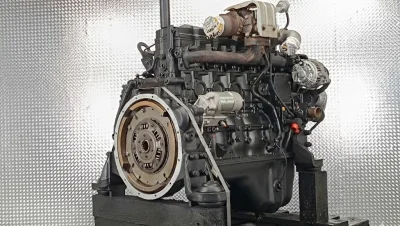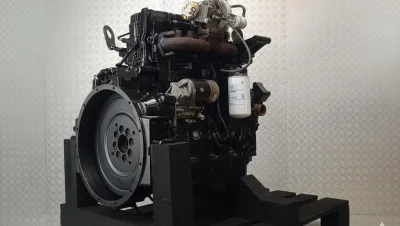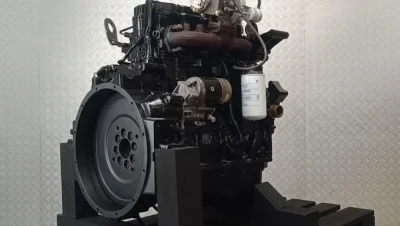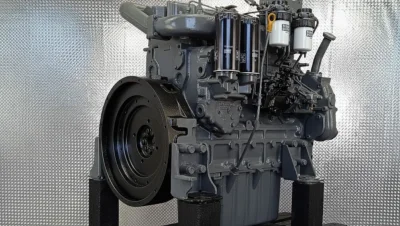


Overhaul of the Liebherr D 9408 TI-E Engine in a Liebherr LTM 1160/2 All-Terrain Crane
Introduction - Machine Characteristics and Cause of Failure
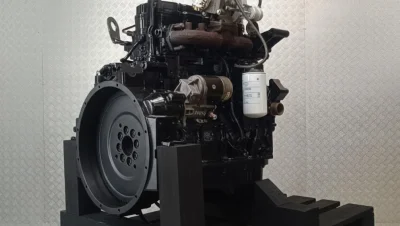
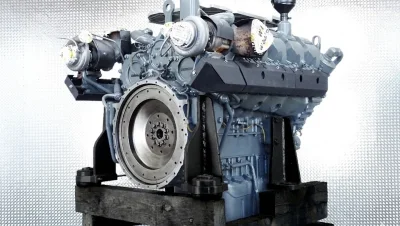
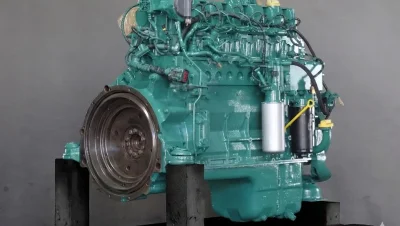
The Liebherr LTM 1160/2 all-terrain crane is an advanced machine used in assembly work, infrastructure construction, and heavy industry. The manufacturer, Liebherr, is renowned for high-quality construction and reliable technological solutions. One of the key components of this machine is the Liebherr D 9408 TI-E internal combustion engine – a V8 unit with 400 kW (544 HP) of power, designed for operation in demanding conditions.
A unit from the Silesian Voivodeship, near Katowice, was brought to our service center. We performed the engine disassembly using a crane provided by the client. The reason for the report was power loss, increased oil consumption, and intense smoking. Initial diagnostics pointed to cylinder and piston wear.
During diagnostics, we performed compression pressure measurements and cylinder leak tests. The results confirmed significant differences between cylinders. Additionally, an endoscopic inspection was carried out, which revealed visible signs of wear on the cylinder surfaces. Based on this, a decision was made for a comprehensive engine overhaul.
Engine Disassembly
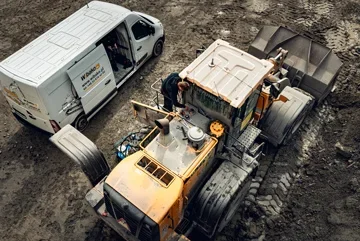
The engine disassembly process was carried out by our mobile service directly at the client's site. First, all systems were disconnected: fuel, electrical, cooling, and air intake. Particular attention was paid to securing the lines and marking all components to ensure correct reassembly at a later stage.
After preparing the unit for removal, the engine was disassembled using a crane. The entire operation was carried out in accordance with safety procedures, and the engine was transported to our headquarters in Kojszówka, where a detailed verification began.
Component Verification
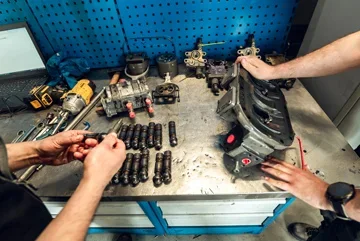
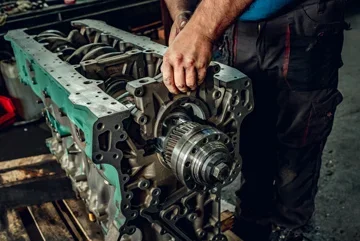
In the workshop, we performed a complete teardown of the power unit. Every element was thoroughly cleaned and subjected to a technical assessment. Verification confirmed significant wear on the cylinder liners and pistons. Signs of overheating and micro-damage to the working surfaces were also visible.
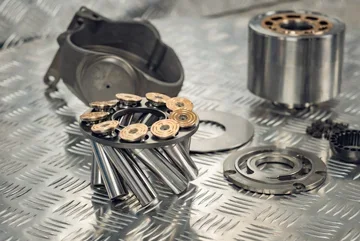
Verification of the crankshaft showed the necessity of grinding due to journal wear. Connecting rods were checked for geometry and strength – some required replacement. The cylinder heads underwent a pressure test in a water bath, which revealed leaks in several sections.
Additionally, the turbochargers were checked for play, and the injection system, which showed uneven operation, was inspected. The injection pump was sent for specialized regeneration.
Regeneraton and Repair
The engine rebuilding process included comprehensive actions within the crank-piston system. Cylinder liners, pistons, and piston rings were replaced. The crankshaft was ground, and then new main and connecting rod bearings were installed.
The heads underwent resurfacing, and the valves and guides were replaced. Valve seat regeneration was also carried out, which allowed for the restoration of full combustion chamber tightness.
The fuel system was regenerated – the injection pump and injectors passed tests on a test bench. Regarding the accessories, the turbochargers were regenerated, and the alternator and starter were checked.
After completing the work, all components were assembled according to the manufacturer's technical documentation. Every stage of assembly was controlled for tightening torques and the correctness of component fit.
Engine Dynamometer Test
After assembly was completed, the engine was subjected to tests on our engine dynamometer (dyno), which is one of the key stages of the entire service process. As one of the few companies in the industry, we have the capability to fully test the power unit before it is installed in the machine.
The test began with a break-in period lasting over 16 engine hours at a load of 20-30% of nominal power. During this time, engine operating parameters such as oil pressure, operating temperature, idle stability, and system tightness were monitored.
After successfully passing the first stage, the engine was subjected to full-load tests. During these trials, real-world crane operating conditions were simulated multiple times. We analyzed the engine's response to variable loads, power growth dynamics, and fuel consumption.
Thanks to the use of the dynamometer, it was possible to catch even the smallest irregularities that might only appear after many hours of operation in the machine. The test ended positively, and the engine was prepared for transport and installation.
Engine Installation
The installation of the engine in the Liebherr LTM 1160/2 crane was performed again at the machine's work site. This process was just as important as the repair itself, as proper installation is crucial for the unit's future operation.
The engine was seated in the compartment using a crane and then precisely aligned on the mounting brackets. All mechanical connections were made according to the manufacturer's standards. The cooling system, fuel system, air intake, and electrical system were reconnected.
Special attention was paid to the tightness of all connections and the correct routing of cables and hoses. Filters and operating fluids were replaced, preparing the machine for its first startup.
After installation, functional tests were conducted in the presence of the operator. The engine's operation under load and its cooperation with the machine's systems were checked. Following a positive result, an acceptance report was prepared.
Post-Overhaul Engine Maintenance
After the work was completed, the client received detailed recommendations regarding engine operation. We recommended performing the first inspection after 50 engine hours, which includes filter replacement and connection checks. Subsequent inspections should be performed every 250 engine hours or at least every 3 months.
Our mobile service provides full operational support, so the client can count on a quick response in case of any irregularities.
Applications of the Liebherr D 9408 TI-E Engine
The Liebherr D 9408 TI-E engine is used not only in the LTM 1160/2 model but also in other heavy machinery, such as larger all-terrain cranes, specialized machines, and industrial equipment requiring high power and reliability.
Summary
The comprehensive overhaul of the Liebherr D 9408 TI-E engine allowed for the full restoration of the machine's efficiency and its further safe operation. Thanks to the use of an engine dynamometer, we were able to verify the quality of the work performed even before installation, which significantly increases the unit's reliability.
Wibako Construction Machinery Service is a guarantee of a professional approach, experience, and the highest quality services in the field of Liebherr diesel engine repairs.
See also:
Liebherr Engine Service
Overhauls of Engines for All-Terrain Cranes
Diesel Engine Diagnostics
Contact Us
Do you need a Liebherr D 9408 TI-E engine overhaul or Liebherr LTM 1160/2 crane service? Contact us - we perform comprehensive repairs and engine dynamometer tests.