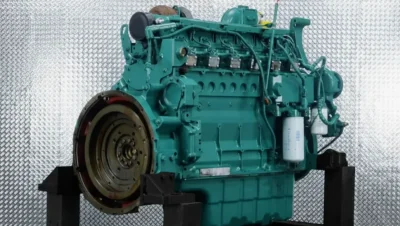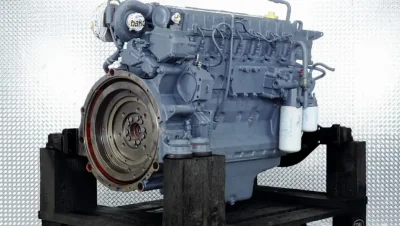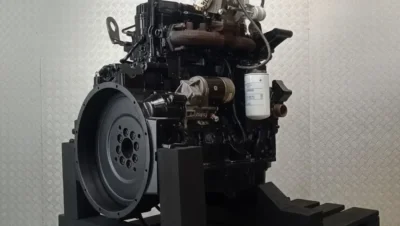


Engine Overhaul of Cummins QSB 4.5 in Dynapac CA3000D Vibratory Soil Compactor
The Dynapac CA3000D vibratory soil compactor is a machine designed for intensive soil compaction work. In this type of application, the powertrain must operate reliably for many hours, often under high loads and in dusty conditions. Any deterioration in engine performance can directly affect the productivity of the entire machine, which is why problems with the power unit require accurate diagnostics and a properly planned repair.
In the case of the Dynapac CA3000D described here, the reason for sending the power unit for overhaul was natural operating wear of the Cummins QSB 4.5 engine. Gradual deterioration in operating parameters, increased oil consumption and worsening engine performance indicated that the unit had reached a stage where continued operation without a comprehensive inspection could have led to more serious damage.
The diagnostics began before the engine was removed from the machine. This allowed us to assess the condition of the power unit, collect information about the symptoms and plan further work. After removal, the engine was transported to our workshop facilities in Kojszówka, where we carried out a detailed inspection of its components. Only after measurements and inspections had been completed could the actual scope of the overhaul be determined.
The work was carried out by our Cummins diesel engine service team, which handles both diagnostics and comprehensive rebuilding of power units used in construction machinery. An important part of the entire process was also the engine dyno test. The ability to test the engine under load before reinstalling it in the machine allowed us to verify its operation under conditions similar to those encountered during actual use.
Dynapac CA3000D and Cummins QSB 4.5 Engine
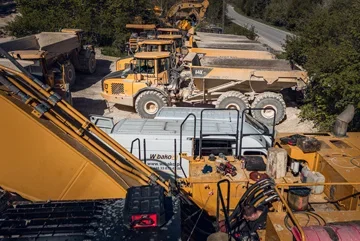
The Dynapac CA3000D belongs to the group of vibratory soil compactors designed for ground compaction. The machine operates directly on construction sites, roads, areas prepared for investment projects and wherever appropriate soil compaction is required. The nature of the compactor's work means that the power unit is regularly subjected to varying loads.
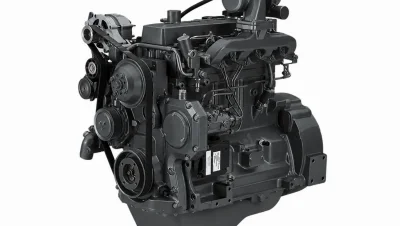
The machine described here is powered by a Cummins QSB 4.5. This is a diesel engine used in many industrial applications and off-highway machines. Engines from this family are designed to operate in demanding conditions, but even a durable engine is subject to natural wear. With operating hours, wear may occur in components of the crankshaft-piston system, deterioration of cylinder sealing, wear of bearings, cylinder head components or engine accessories.
For an engine operating in a vibratory compactor, maintaining correct operating parameters under load is particularly important. The fact that an engine can still be started does not necessarily mean that the power unit is in good technical condition. That is why our Cummins QSB 4.5 engine diagnostics included both an assessment of its operation in the machine and a detailed inspection after removal.
Initial Diagnostics of the Cummins QSB 4.5 Engine
The first stage was to diagnose the engine while it was still installed in the Dynapac CA3000D. First, our mechanics assessed the overall condition of the engine and its operating characteristics. We checked starting behaviour, operating stability, response of the unit to changes in load and the occurrence of any abnormal symptoms. Oil consumption and engine behaviour during operation were also assessed.
With natural engine wear, symptoms often develop gradually. The machine may continue to operate, but the operator begins to notice that the engine no longer responds as it did before, oil consumption increases and the achieved operating parameters become weaker. This is why we do not limit diagnostics to a single measurement. Individual symptoms must be considered together to determine whether they indicate wear of a particular group of components.
During the next stage of diagnostics, we focused on the mechanical condition of the engine. Parameters related to oil pressure were checked and the condition of the lubrication system was assessed. Measurements were then carried out to evaluate cylinder sealing and the condition of the crankshaft-piston system. The results indicated wear that could account for the gradual deterioration in engine performance.
Final confirmation, however, required removal of the unit. When an engine is qualified for overhaul, diagnostics performed while it is installed in the machine are not sufficient to determine all components requiring repair. Once the engine has been disassembled, each component can be thoroughly cleaned, inspected and measured. Only then can we determine which components are suitable for further use, which require reconditioning and which should be replaced.
Engine Removal from the Dynapac Compactor
After confirming the need for an overhaul, we proceeded with the removal of the Cummins QSB 4.5 engine from the Dynapac CA3000D. Removing an engine from a machine requires appropriate preparation because, in addition to the engine itself, numerous components connected to the power unit have to be disconnected.
The work began by securing the machine and preparing all connections intended for removal. Our mechanics disconnected the electrical wiring, fuel lines, cooling system components and intake system pipes. Particular attention was paid to securing open lines so that dirt could not enter them during removal and transport.
The engine is always removed using a crane provided by the customer. Once all necessary components had been disconnected, the unit was properly suspended and prepared for removal from the engine compartment. Our mechanics monitored the position of the engine while lifting it to avoid damaging other machine components.
After the engine had been removed, we carried out another visual inspection. We checked the condition of the lines, connections and accessories. Components intended for reuse were properly secured and identified where necessary. The engine was then prepared for transport to our headquarters in Kojszówka, where the main overhaul process began.
Inspection of the Cummins QSB 4.5 Engine in the Workshop
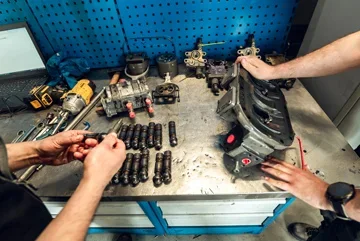
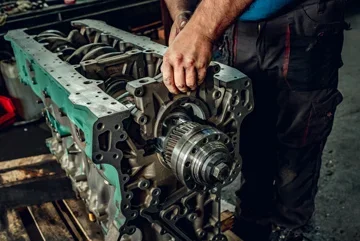
After the unit arrived at our workshop, we began the detailed inspection process. The engine was disassembled, and its individual components were cleaned and assessed as the work progressed. This approach helps avoid replacing components that are still in good condition while also allowing us to detect wear that could not be identified while the engine was installed in the machine.
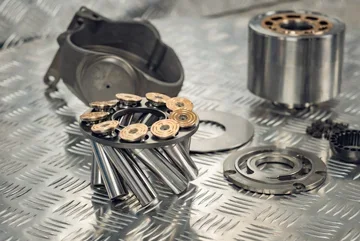
Particular attention was paid to the components of the crankshaft-piston system. Operating wear was confirmed during measurements and inspections. The condition of the cylinders, pistons, rings, liners and bearings was checked. The crankshaft and connecting rods were also inspected.
The crankshaft underwent a visual inspection for signs of wear, overheating and possible damage. Measurements of the journals were performed and crankshaft runout was checked. The oil passages were also inspected. Such a detailed inspection is particularly important during an engine overhaul because the crankshaft is one of the most important components of the entire power unit.
The connecting rods were inspected for wear, cracks, signs of overheating and deformation. Measurements were performed to determine their condition and whether they could be reused. The connecting rod fasteners and bolts were also checked.
The cylinder head was inspected at the same time. We checked the condition of the valve seats, guides and valves, as well as cylinder head tightness. The leak test involves immersing the properly prepared cylinder head in heated water, connecting compressed air and observing whether there are any signs of leakage indicating a possible crack.
The camshaft was also inspected. Its condition was visually assessed, followed by measurements of the journals and cam lobes. The inspection made it possible to determine the degree of wear and decide how the component should be treated further.
Overhaul of the Crankshaft-Piston System
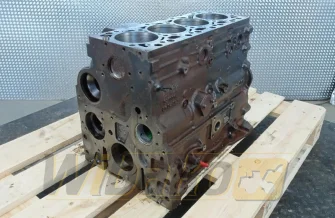
The most important area of the Cummins QSB 4.5 engine overhaul was the crankshaft-piston system. In an engine that has operated for many hours, natural wear may affect several components working together. Therefore, the repair cannot be limited to replacing a single component without checking the remaining parts.
We inspected the condition of the pistons and rings. The cylinder and liner surfaces were also checked for wear. Based on the measurements taken, we determined which components could be reused and which required replacement or reconditioning.
The main and connecting rod bearings were inspected. We checked their working surfaces and signs that could indicate inadequate lubrication or excessive wear.
The crankshaft underwent detailed measurements. If the technical condition of the component requires it, crankshaft reconditioning consists of grinding the crankshaft. In every case, the scope of work is determined individually based on actual measurement results, rather than solely on operating hours or the age of the engine.
After completing the inspection of the crankshaft-piston system components, we prepared the parts intended for reassembly. All components were properly cleaned and the mating surfaces were prepared in accordance with the requirements of the assembly process.
Cylinder Head Reconditioning
The second important area of the overhaul was the Cummins QSB 4.5 cylinder head. Its condition has a direct effect on cylinder sealing, the combustion process and correct engine operation.
After carrying out the inspection, we determined the scope of reconditioning work. Depending on the degree of wear, cylinder head reconditioning includes, among other things, machining the head surface, replacing valve guides and replacing valves. All work is preceded by measurements because only these can determine the actual condition of the cylinder head.
After the work had been completed, the cylinder head was prepared for reassembly. Particular attention was paid to its tightness and the correct preparation of mating surfaces. The aim was to achieve the appropriate operating conditions once the cylinder head was installed on the rebuilt engine.
Fuel System and Engine Accessories
Engine overhaul does not end with replacing mechanical components. It is equally important to inspect the components responsible for fuel delivery and engine accessories.
The fuel system components were inspected for their technical condition. When components require more detailed diagnostics, we use appropriate test equipment. This allows us to determine whether a given component can be reused or whether it requires reconditioning or replacement.
The turbocharger was also inspected. The inspection includes checking axial and radial play. This is an important part of the diagnostic process because proper turbocharger operation affects the amount of air supplied to the engine and its behaviour under load.
The remaining engine accessories were also inspected, including the starter motor, alternator and electromechanical components. If a component can be reused, its condition is checked before installation. This reduces the risk of additional problems occurring after the rebuilt engine has been installed in the machine.
Professional Assembly of the Cummins QSB 4.5 Engine
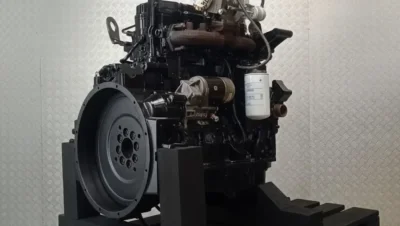
After completing all inspection and reconditioning work, we began assembling the Cummins QSB 4.5 engine. Assembly of a rebuilt engine requires a high level of accuracy because proper engine operation depends not only on the quality of the parts used but also on the correct preparation and assembly of all components.
Before assembly began, the individual components were thoroughly prepared and cleaned. Our mechanics inspected the mating surfaces and the condition of the areas where new components were to be installed. The crankshaft-piston system was assembled while maintaining the correct sequence of operations and checking each stage of the process.
During assembly, we pay close attention to the correct installation of bearings, pistons, rings and other engine components. The crankshaft is installed after its mating surfaces have been properly prepared. Each subsequent stage of assembly is checked to reduce the possibility of errors that could affect the engine's later operation.
After the cylinder head and other engine components had been assembled, the accessories were also installed. At this stage, correct connection of the lines and preparation of the engine for starting are important. Particular attention is paid to the lubrication system, cooling system and intake system.
When installing the engine in the machine, we also inspect the condition of the piping. If intake pipes or other connecting components are worn, damaged or raise concerns regarding tightness, they should not be left without inspection. The intake system must be properly sealed because leaks can affect engine operation and become a source of additional operating problems.
After assembly is complete, the engine is prepared for starting and testing. We do not treat mechanical assembly as the end of the overhaul. Proper starting, operation under load and parameter checks are necessary to assess the results of the work performed.
Testing the Cummins QSB 4.5 on an Engine Dynamometer
One of the most important stages of the entire process was the test of the Cummins QSB 4.5 engine on an engine dynamometer. The ability to test the engine under load before reinstalling it in the Dynapac CA3000D provides an important diagnostic advantage. The engine can be checked under controlled conditions without having to wait for potential problems to appear only after the engine has been installed in the machine.
An engine dynamometer allows the unit to be tested under load. In the case of engines after overhaul, the testing process begins under light operating conditions. The unit operates for a minimum of 16 hours at approximately 20-30% of the nominal load. This stage is important for the proper start of operation of a rebuilt engine and allows us to observe its behaviour during extended operation.
During the test, we monitor the basic operating parameters of the engine and its behaviour under different load conditions. We check, among other things, operating stability, response to load changes and the behaviour of the lubrication and cooling systems. We also monitor the engine for leaks and abnormal symptoms that could indicate a problem with any of its components.
After the initial testing stage, if the engine maintains correct basic operating parameters, we proceed with further tests at higher loads. The unit is repeatedly loaded, allowing us to assess its behaviour under conditions much closer to actual operation.
The dynamometer test has another important advantage. If an abnormality occurs during testing, the engine is outside the machine. Our mechanics then have much easier access to the unit and can carry out additional diagnostics. There is no need to arrange another engine removal from the compactor simply because a problem was detected after installation.
The dynamometer also allows us to assess engine behaviour under changing loads rather than only at idle. This is particularly important for a power unit intended for the Dynapac CA3000D vibratory soil compactor, where the engine must work correctly together with the other machine systems during actual operation.
A positive dynamometer test result means that the unit has passed an additional inspection stage before returning to the machine. This increases the safety of the entire overhaul process and allows us to verify the result of the work more thoroughly.
Installation of the Rebuilt Engine in the Dynapac CA3000D
After successfully completing the dynamometer tests, the Cummins QSB 4.5 engine was prepared for reinstallation in the Dynapac CA3000D. Installing an engine is not simply a matter of placing the unit inside the engine compartment. It is a multi-stage process involving correct positioning of the engine, installation of the mounts, connection of all systems and inspection before starting.
The work began with appropriate preparation of the engine and engine compartment. The unit was introduced into the compartment using a crane provided by the customer. Once the engine had been positioned correctly, the mounts and other components responsible for securing the unit in the machine were installed.
Our mechanics then proceeded with connecting the individual systems. The electrical system, fuel system, cooling system and intake system were connected. Particular attention was paid to the air pipes and intake system connections. Every connection had to be properly secured and checked for tightness.
The cooling system lines were also inspected. Correct routing and securing of these lines is important not only in terms of tightness but also for safety during machine operation. The fuel lines and other components located in the immediate vicinity of the engine were checked in the same way.
Before the first start, we inspected the connections and prepared the unit for operation. Filters are also replaced according to the post-overhaul service scope. After starting the engine, we observed its operation and checked for leaks, abnormal noises or other concerning symptoms.
An important part of the installation process is testing the machine with the operator present. This allows us to check engine behaviour under conditions corresponding to its actual use. Once the engine had warmed up, additional operating tests were performed while our mechanics monitored engine behaviour during load changes and operation of the machine's individual functions.
After the tests had been completed successfully, the installation process could be finalized. We once again checked the tightness of the connections, the condition of the lines and the overall operation of the engine. After the installation had been completed, a report confirming the work and successful completion of the tests was prepared.
Engine Service After the Overhaul
An engine overhaul is not limited to mechanical work and handing the machine back for further operation. Proper operation of the engine during the first period after overhaul is equally important. That is why we recommend the first filter replacement after 50 operating hours from engine start-up.
After 50 operating hours, our service team can also visit the customer and perform an inspection of the unit. This inspection is not limited to replacing filters. Our mechanics check the general condition of the accessories, connections between the engine and the remaining machine components, and correct engine operation.
During this inspection, it is also possible to detect leaks that may have appeared during normal operation. We inspect connections, lines and components that may be exposed to vibration during everyday machine use.
We recommend carrying out subsequent inspections every 250 operating hours, but not less frequently than once every 3 months. Regular servicing allows us to respond more quickly to developing irregularities and reduce the risk of serious failures.
Dynapac Construction Machinery Service
The overhaul of the Cummins QSB 4.5 engine in the Dynapac CA3000D vibratory soil compactor is an example of a comprehensive approach to construction machinery service. In the case of power units, replacing a single component is not always sufficient. If an engine has reached a high degree of wear, a detailed inspection of all components makes it possible to determine the actual scope of work and rebuild the unit appropriately for further operation.
Our service team performs both stationary workshop work and engine removal and installation at the customer's location. This allows the entire process to be carried out comprehensively - from diagnostics in the machine, through removal, transport of the engine to Kojszówka, overhaul and dynamometer testing, to reinstallation in the machine.
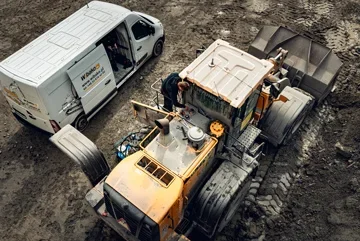
We also provide mobile construction machinery service. Our mechanics can travel to the machine's location, carry out the necessary work and prepare the unit for transport. After the overhaul has been completed, we can also perform installation and testing at the machine's operating location.
Summary of the Cummins QSB 4.5 Overhaul in the Dynapac CA3000D
The overhaul of the Cummins QSB 4.5 engine installed in the Dynapac CA3000D vibratory soil compactor included a complete diagnostic and repair process. The reason for the overhaul was natural operating wear of the unit, which was confirmed during diagnostics and a detailed inspection of the engine after removal.
As part of the work, we inspected the crankshaft-piston system, crankshaft, connecting rods, pistons, rings, liners and bearings, as well as the cylinder head, camshaft, fuel system and engine accessories. The scope of reconditioning was determined based on the actual condition of the individual components.
After assembly, the unit was subjected to tests on an engine dynamometer. This is one of the most important stages of our work because it allows us to test the engine under load before installing it in the machine. Only after successfully passing the tests was the unit prepared for reinstallation in the Dynapac CA3000D.
After installation, we checked all connections, systems and lines and then carried out machine operating tests with the operator present. This made it possible to check not only the engine itself but also its cooperation with the other components of the compactor.
After the work has been completed, we recommend carrying out the first inspection after 50 operating hours. Subsequent inspections should be performed every 250 operating hours, but not less frequently than once every 3 months. Regular servicing is an important part of keeping a rebuilt engine in proper technical condition.
A comprehensive engine overhaul, detailed component inspection, dynamometer testing and correct installation in the machine help reduce the risk of recurring problems and prepare the unit for further operation under demanding conditions. If you need Cummins engine service, an engine overhaul in a Dynapac machine or power unit diagnostics, WIBAKO can handle the entire process from initial diagnostics through to restarting the machine.
Related Materials
Dynapac construction machinery service
Mobile construction machinery service
Contact us
Do you need a Cummins QSB 4.5 engine overhaul or service for a Dynapac CA3000D compactor? Contact us - we provide comprehensive diagnostics, engine overhauls, engine dynamometer testing, as well as engine removal and installation in machinery.