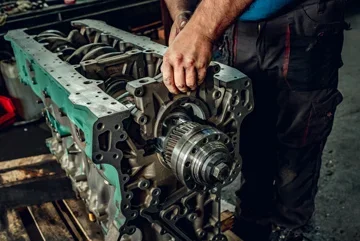


A torque converter transmission is the core driveline of wheel loaders, articulated dump trucks, motor graders and some wheeled excavators. It lets the machine pull away smoothly with a full bucket, shift gears under load and push hard into the pile. When it starts to fail, the machine loses performance gradually. Early symptoms are easy to blame on the engine, and putting off the repair usually ends in a costly teardown of the whole unit. Below we explain how a hydrodynamic transmission works, what fails inside it and how to track down the cause of a fault.
How a torque converter transmission works
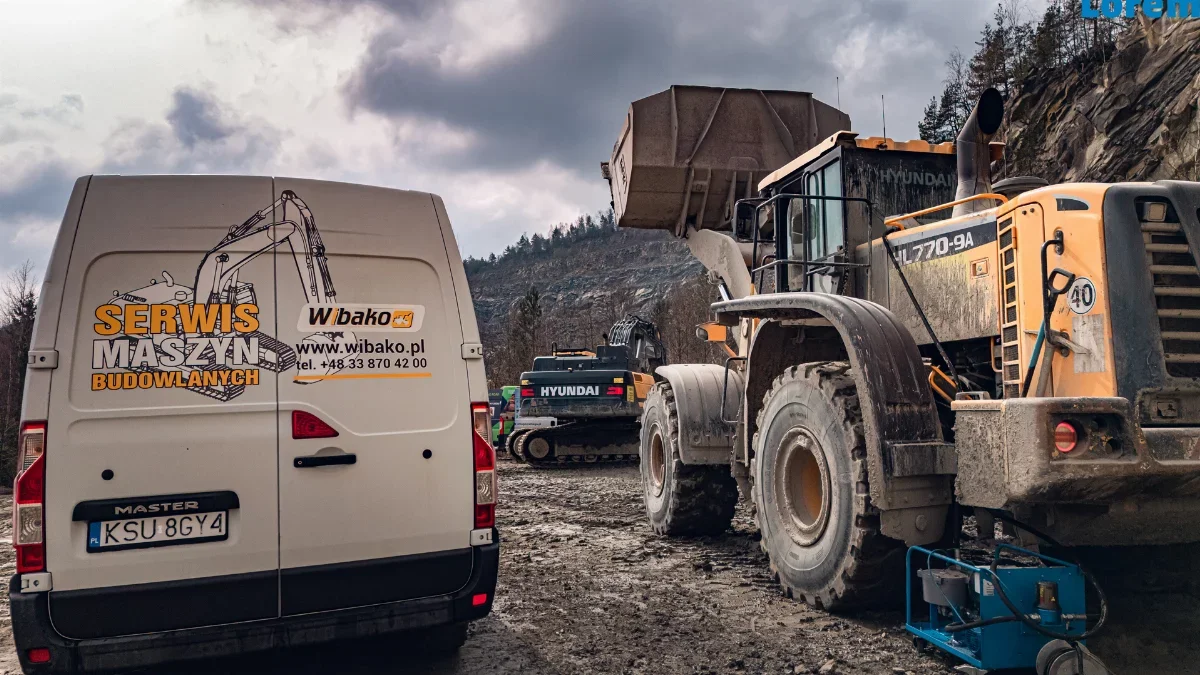
The system consists of two assemblies: the torque converter (hydrodynamic drive) and a powershift gearbox. The converter replaces a friction clutch. The engine and wheels are not mechanically connected – the power is transmitted by oil. That is why the machine can stand in gear with the engine running and move off without a jerk.
The torque converter
The converter has three main elements:
- Impeller (pump) – connected to the engine flywheel, it accelerates the oil.
- Turbine – receives the oil flow and drives the transmission input shaft.
- Stator (reactor) – mounted on a one-way clutch (freewheel), it redirects oil from the turbine back to the impeller at a favourable angle.
The stator multiplies torque when there is a large speed difference between impeller and turbine, i.e. when pulling away and digging into material. As the speeds equalise, the stator freewheels and the converter works like a fluid coupling. Some transmissions also have a lock-up clutch that rigidly connects the impeller and turbine during roading.
The powershift gearbox
Behind the converter sits a gearbox with packs of wet multi-disc clutches. Each gear and direction is engaged by feeding pressurised oil to the piston of the relevant clutch pack. This is controlled by a solenoid valve block and the transmission control unit. The charge pump in the transmission supplies the clutches, the converter and the lubrication circuit at the same time, while the oil is cooled in a separate cooler. Because one oil runs through one circuit, contamination from one component quickly reaches all the others.
Failure symptoms – causes and what to do
The most common symptoms operators report with a transmission or torque converter problem:
- Delayed engagement of gears or direction – low clutch pressure, worn piston seals, clogged filter, dirty solenoid valve. Check the oil level and filter first, then measure the pressures.
- Harsh or jerky shifting – worn clutch discs, missing clutch calibration after a repair or control unit replacement, faulty speed sensor. Read the fault codes and perform calibration according to the manufacturer's procedure.
- No drive in one direction or one gear – damaged clutch pack, solenoid valve or wiring harness. Measure the pressure on that specific clutch and check the solenoid coil.
- No drive at all – no oil, failed charge pump, sheared splines on the converter or drive plate, control failure. Start with the oil level and supply pressure.
- Weak pushing force, machine won't dig into the pile – clutch slip, damaged converter or insufficient engine power. The stall test described below will help.
- Transmission oil overheating – clogged cooler, incorrect oil level, clutch slip, locked or seized stator freewheel, prolonged operation at stall.
- Whining, humming, metal debris in the filter – worn bearings, pump, gears or converter. Take the machine out of service and have it diagnosed before further operation.
Lack of power is not always caused by the transmission. If the engine itself is not reaching its specifications, follow our guide Why does the machine lack power?
Step-by-step diagnostics
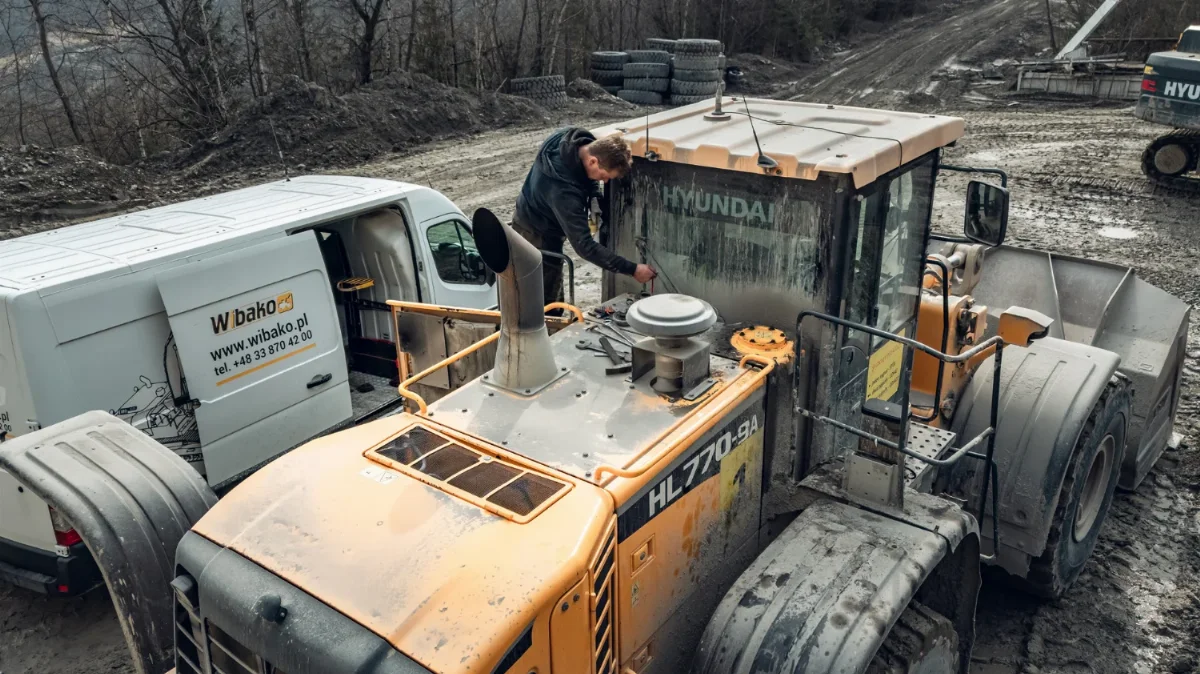
Proper diagnosis of a torque converter transmission separates minor faults from damage that requires a teardown. Replacing a transmission based on the symptom alone often means the problem comes back after installation, because its source was in the controls or the cooling system.
- Oil level and condition – check the level as specified in the manual, usually with the transmission warm and the engine running. A burnt smell, dark colour and foam point to clutch slip or aeration.
- Filter and magnetic plug – cutting open the filter tells you a lot. Fine glitter from friction discs means wear, while larger steel chips indicate bearings or gears.
- Fault codes – read from the transmission control unit: solenoid valves, speed and temperature sensors, open circuits in the harness.
- Pressure measurement – at the test ports: supply pressure, individual clutch pressures, converter inlet and outlet pressure and lubrication pressure. Compare the results with the manufacturer's data for the specific transmission.
- Stall test – full throttle, forward gear, machine held on the brakes, read the engine speed. Speed clearly above nominal indicates slip in the converter or clutches; speed below nominal points to low engine power or a damaged stator. The test should last only a few seconds, otherwise the oil overheats quickly.
- Temperature and cooling – check the flow through the cooler and the temperature difference between inlet and outlet.
Repair, rebuild or replacement
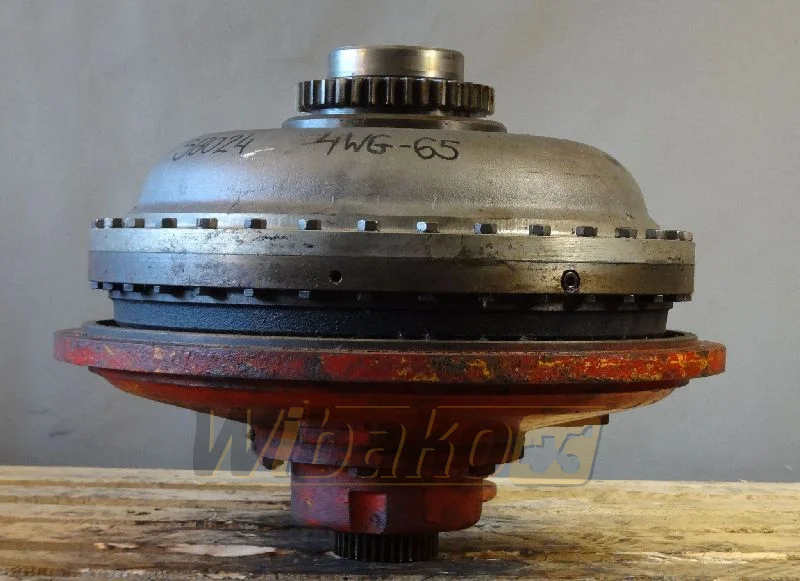
The choice depends on the diagnostic results, the age of the machine and parts availability. Electrical and external faults can be fixed without removing the transmission. Internal damage requires the unit to be removed.
- On-machine repair – solenoid valves, sensors, harnesses, cooler, hoses, external seals, calibration.
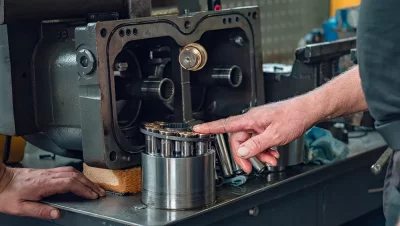
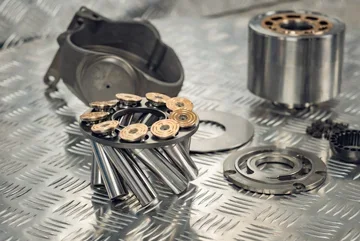
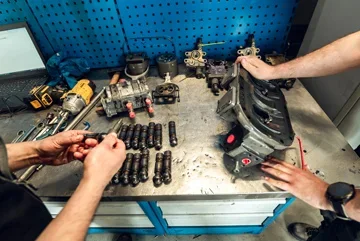
- Transmission rebuild – teardown, replacement of friction and steel discs, piston seals and bearings, inspection of gears and shafts, charge pump check.
- Torque converter rebuild – the converter is cut open or unbolted, bearings, seals and freewheel are replaced, then it is reassembled and balanced. Not cost-effective if the blades or housing are destroyed.
- Replacement with a used or new unit – when downtime matters or the rebuild would exceed the value of the unit. Our shop stocks, among others, a ZF 4WG-260 torque converter and a ZF 4WG-65 torque converter. Other driveline components can be found in the drivetrain parts category.
Whichever route you choose, after any major failure the cooler and lines must be flushed and the filter replaced. Debris left in the system can destroy a newly fitted converter in a short time.
Brands: ZF, Clark, Dana and others
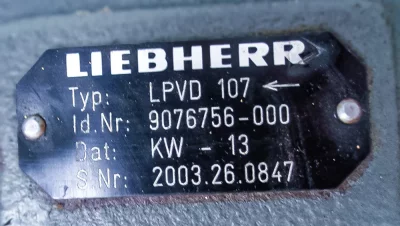
Wheel loaders are dominated by ZF WG series transmissions (e.g. 4WG, 6WG), used by many machine manufacturers, and Dana transmissions, often badged Clark on older machines. Caterpillar, Komatsu and Volvo, among others, have their own designs. When ordering parts or a complete unit, always provide the full designation from the transmission and converter nameplates, as ratios, diameters and splines differ within the same series. For example, a torque converter for the Volvo L120 will not replace a ZF converter, even on a machine of similar class.
How to extend the life of a torque converter transmission
- Use oil that meets the transmission manufacturer's specification and change it together with the filter at the recommended intervals.
- Clean the transmission oil cooler regularly – in quarries and stockyards it clogs quickly.
- Avoid prolonged pushing with spinning wheels and holding the machine at stall.
- Don't change direction at high speed – slow down before reversing.
- React to the first temperature warnings and delayed gear engagement.
- Perform clutch calibration according to the manufacturer's procedure after every repair.
Wheel loader transmission service at WIBAKO
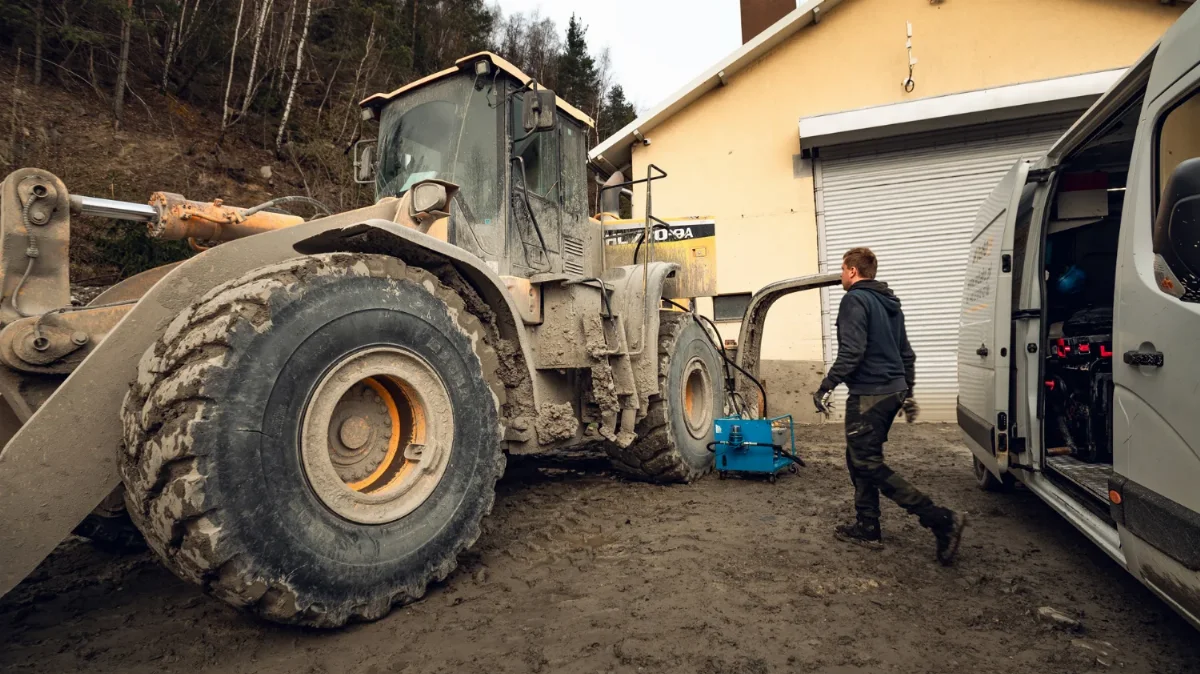
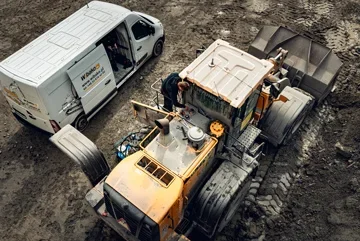
We carry out driveline diagnostics on site: fault code reading, pressure measurements, stall test and oil and filter assessment. Based on this we determine whether an on-machine repair is enough or whether the unit needs to be removed for a rebuild or replaced. Field work is charged at PLN 230 net per mechanic hour plus travel at PLN 3 net per km both ways. When fitting parts purchased from WIBAKO, the hourly rate is PLN 190 net.
If your wheel loader has delayed gear engagement, overheats the transmission oil or is losing pushing force, get in touch with us. Give us the machine model, the transmission designation and a description of the symptoms, and we will define the scope of diagnostics and check the availability of the parts you need.
Frequently asked questions
How does a torque converter transmission work?
The engine drives the impeller of the torque converter, and the oil transfers the energy to the turbine connected to the transmission input shaft. Gears are shifted under load by hydraulically applied wet multi-disc clutches controlled by solenoid valves.
What role does the torque converter play in an automatic transmission?
It takes over the role of the friction clutch. It allows the machine to move off and stop without disconnecting the drive, and it also multiplies torque when pulling away and under heavy load.
What are the symptoms of a faulty torque converter?
The most common symptoms are a clear loss of pushing force, an abnormal stall test result and oil overheating, especially when travelling at higher speeds. Metal debris in the filter and whining or humming from the flywheel area are also typical.
Can a torque converter be rebuilt?
Yes. The converter is cut open or unbolted, the bearings, seals and stator one-way clutch are replaced, and it is then reassembled and balanced. Whether it pays off depends on the condition of the blades and housing, so the decision is made after inspection – sometimes a used converter is the better option.
Why does the wheel loader transmission oil overheat?
The most common causes are a clogged cooler, an oil level that is too low or too high, and slipping worn clutches. Oil also overheats during prolonged operation at stall, i.e. pushing with spinning wheels, and when the converter stator freewheel is damaged.
Do I need to flush the cooler after replacing the transmission or torque converter?
Yes. The cooler and lines must be flushed and the filter replaced, because debris from the damaged unit remains in the system. Otherwise the new or rebuilt unit can quickly suffer the same damage.