

Engine Overheating in Machines. A Guide for Operators and Machine Owners
A temperature gauge approaching the red zone or a recurring alarm indicating exceeded thermal parameters are signals that no operator can ignore. The operation of construction and agricultural machines in harsh conditions – with high dust levels, heavy workloads, and high ambient temperatures – places extreme demands on the cooling system. Overheating of the internal combustion engine can quickly lead to irreversible mechanical damage. Rapid diagnosis and addressing the problem before extreme boiling of the fluid occurs is the only way to avoid a major overhaul.
Consequences of Overheating: Why High Temperature is Deadly?
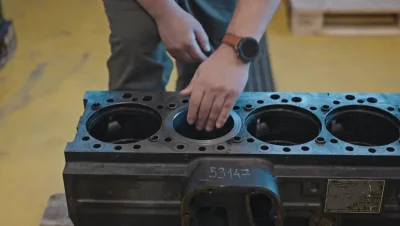
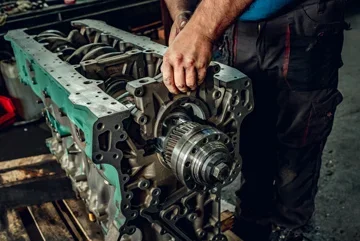
The cooling system is designed to maintain the optimal operating temperature of the engine (usually in the range of 85–95°C). When the temperature rises uncontrollably, the material structure of the engine begins to lose its properties. This leads to rapid thermal expansion of metals, resulting in warping and cracking of the cylinder head, damage to the head gasket, and deformation of the block.
Moreover, overheated engine oil drastically loses its viscosity and carbonizes, breaking the oil film. Without meticulous lubrication, immediate seizure of the pistons in the cylinders, seizure of the crankshaft bearings, and destruction of the turbocharger occur. In extreme cases, the engine is completely destroyed.
Most Common Causes of Engine Overheating
The temperature accumulated in the combustion chambers must be effectively dissipated outside. When this process is disrupted, the cause usually lies in one of the following areas:
1. Contaminated or Blocked Radiator
In construction and agricultural machines, this is the undisputed leader of faults. The radiator fins become immediately clogged with dust, dirt, straw particles, or mud. The resulting "shell" acts as a thermal insulator and completely blocks airflow, preventing heat dissipation to the environment. Equally dangerous are scale deposits or sludge inside the radiator core, blocking the flow of the fluid itself.
2. Thermostat Failure
The thermostat is responsible for directing the fluid circulation – to the "small circuit" (to quickly warm up the engine) or "large circuit" (through the radiator). If the thermostat gets stuck in the closed position or opens only partially, hot coolant from the engine block will never reach the radiator, causing the engine to boil over rapidly.
3. Water Pump (Coolant) Failure or Lack of Fluid
A lack of adequate coolant level (caused by, for example, leaks from hoses or the radiator) immediately reduces the thermal capacity of the system. Meanwhile, a failure of the water pump itself – broken impeller blades, bearing wear, or slipping of the V-belt/multi-ribbed belt – causes the fluid to stop circulating in the system and remain still, quickly boiling over.
4. Damaged Head Gasket (UPG) or Cracked Head
When the sealing between the block and the head is damaged, exhaust gases under high pressure enter the cooling system. They create a so-called gas cushion and aerate the system, leading to fluid being expelled through the expansion tank and an immediate rise in temperature.
5. Malfunctioning Radiator Fan (Visco / Hydraulic)
The fan blade in machines is rarely driven rigidly. Viscous couplings, electric drives, or hydraulic motors are used. If the viscous coupling loses its silicone oil or the hydraulic fan control valve fails, the fan will not increase its speed with the rise in engine temperature.
Quick Verification of Symptoms – Auxiliary Table
Check the table below to facilitate the preliminary identification of the source of the temperature rise:
| Accompanying Symptoms | Condition of the Radiator and Hoses | Condition of the Coolant | Probable Cause |
|---|---|---|---|
| The engine heats up mainly under load and on hot days | Radiator fins visibly covered with dust/mud | Level normal, no losses | External contamination of the radiator core |
| Temperature rises quickly, the lower radiator hose is cold | The radiator is cold, the upper hose is very hot | Level normal | Blocked (closed) thermostat |
| Hard radiator hoses, bubbling in the tank, white smoke from the exhaust | Pipes under very high pressure | Fluid is decreasing, contaminated with oil or leaking through the cap | Damaged head gasket or cracked head |
| Temperature rises at idle, drops when accelerating | Radiator clean, hoses clear | Condition normal | Worn water pump (worn blades) or loose drive belt |
What to do when the engine starts to overheat?
If you observe a temperature spike, immediate preventive measures should be taken:
- Reduce the load, do not turn off the engine immediately: If possible, immediately stop working under load and allow the engine to run at idle for 2–3 minutes. Sudden shutdown of an extremely hot engine causes a so-called thermal shock (stopping the coolant pump), which almost immediately leads to cracking of the head.
- Be careful with the cap! Never unscrew the radiator cap or expansion tank cap on a hot engine. The system is under pressure – this poses a risk of a sudden expulsion of boiling fluid and severe burns.
- Check the radiator: After cooling down, check the fluid level and the cleanliness of the radiator fins.
Warning! Adding cold fluid or water to a hot engine will lead to immediate cracking of the block or head due to the sudden temperature difference!
Diagnosis and Repair of Cooling Systems – Trust the Expertise of Wibako
Resolving the issue of engine overheating requires finding the true source of the fault, not just eliminating its effects. Driving with an overheated engine inevitably leads to loss of compression, casting cracks, and costly equipment downtime. When the cooling system in your machine fails, a visit to a professional is necessary.
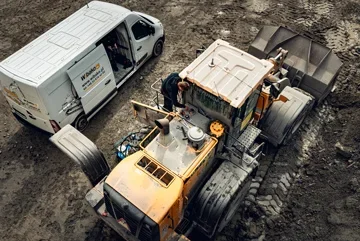
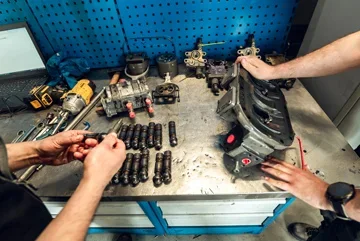
At Wibako, we offer comprehensive diagnostics and professional repairs of cooling systems and power units in construction and agricultural machines. We have specialized equipment for testing the system's tightness for CO2 presence in the fluid, pressure testing of radiators, and regenerating water pumps and heads. We service and repair engines of renowned global brands such as Liebherr, Deutz, Perkins, Caterpillar, Cummins, and Kubota. Ensure the thermal safety of your machine – trust the engineers at Wibako and keep your equipment ready for work!