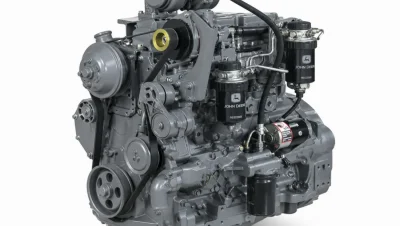
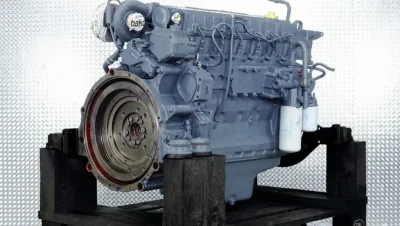
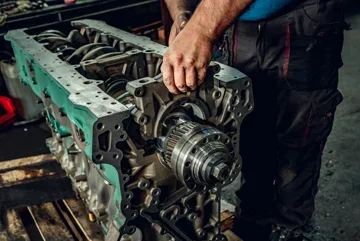
Cummins QSB 4.5 Engine Overhaul in a Hyundai R140W-9 Wheeled Excavator
The Hyundai R140W-9 wheeled excavator is designed for earthmoving, road construction and various tasks carried out on construction sites and in urban environments. Its mobility allows it to move efficiently between work areas, while its hydraulic system provides the performance required for demanding operations using different attachments. One of the most important components responsible for the machine's operation is the Cummins QSB 4.5 diesel engine. Its technical condition directly affects excavator performance, fuel consumption and the ability to maintain continuous operation.
During intensive use, construction machinery engines are exposed to prolonged loads, changing operating conditions and contamination. Over time, mechanical components may wear, combustion efficiency may deteriorate and the engine may lose performance. Initial symptoms can include increased engine oil consumption, starting difficulties or a gradual loss of power. If these problems are not diagnosed and addressed in time, continued operation may lead to more serious damage.
In this case, the starting point for diagnosing the Cummins QSB 4.5 engine in the Hyundai R140W-9 wheeled excavator is a gradual reduction in engine performance and deteriorating operating parameters under load. These symptoms may indicate natural engine wear, fuel system problems, reduced compression or faults affecting engine accessories. Identifying the exact cause requires appropriate diagnostics and, if mechanical wear is confirmed, engine removal and a detailed inspection of its components.
At WIBAKO, we specialise in comprehensive servicing of diesel engines used in construction, agricultural and industrial machinery. Our services include diagnostics, engine removal, component inspection, repair or reconditioning, engine reinstallation and testing on an engine dynamometer. This approach allows us to assess the engine's condition at each stage of the repair process and verify its operation before it is returned to the machine.
When servicing a Hyundai R140W-9, it is important not only to restore the Cummins QSB 4.5 engine itself but also to check its interaction with the machine's systems. A properly performed overhaul should include an assessment of the engine's mechanical condition, system tightness, correct installation of accessories and verification of operating parameters after startup. Below, we describe the main stages of the service process involved in repairing a diesel engine used in this wheeled excavator.
Diagnostics of the Cummins QSB 4.5 Engine in the Hyundai R140W-9
Before deciding to overhaul an engine, it is necessary to determine whether the observed symptoms are actually caused by mechanical wear. A loss of excavator power does not always mean that the engine must be dismantled. Similar symptoms may result from fuel delivery problems, restricted airflow, a malfunctioning turbocharger or faults in associated systems. Diagnostics should therefore begin with basic checks and the elimination of causes that do not require a complete engine rebuild.
The first step is to gather information about the operating history of the Hyundai R140W-9, when the symptoms first appeared and what repairs have previously been carried out. It is important to establish whether the loss of power occurred suddenly or developed gradually. Increased oil consumption, unusual noises, excessive exhaust smoke, starting difficulties and possible leaks should also be noted. This information helps determine the direction of further diagnostic work.
The overall condition of the engine is then assessed. The inspection includes the engine itself, hoses, connections and accessories. Engine oil level and condition, the cooling system, intake pipes and visible signs of leaks are checked. The condition of the filters is also assessed, along with whether the engine receives an adequate supply of air. Restrictions in the intake system can affect combustion and engine performance.
If the engine can be started safely, its operation is evaluated. The technicians observe idle stability, response to changing loads, mechanical noises, operating temperature and oil pressure. Depending on the equipment available and the diagnostic possibilities, electronic engine parameters are also checked. The results must be interpreted in accordance with the service documentation for the specific engine version.
If wear in the piston and cylinder assembly is suspected, additional measurements may be required. A compression test or cylinder leakage test, where technically appropriate, can help assess the condition of the cylinders, pistons, rings and valves. Abnormal results may indicate wear in components responsible for maintaining the correct pressure in the combustion chambers.
If diagnostics confirm significant mechanical wear and repairs without removing the engine cannot restore its proper operating parameters, a comprehensive overhaul may be justified. The final scope of work should be determined by the actual condition of the components. Only after dismantling the engine and carrying out detailed measurements can it be established which parts can be reused and which require repair or replacement.
Removing the Cummins QSB 4.5 Engine from the Hyundai R140W-9 Wheeled Excavator
Engine removal is one of the key stages of a comprehensive repair. In the Hyundai R140W-9 wheeled excavator, the work must take into account the machine's design, the arrangement of its components and access to the engine compartment. Before any work begins, the machine must be secured, the power supply disconnected and the work area prepared for the safe removal of the engine.
The engine is removed by service technicians using a crane provided by the customer. Before lifting the unit, the mounting arrangement must be identified and all connections checked to ensure they have been properly disconnected. This helps reduce the risk of damaging engine compartment components, hoses and accessories while removing the unit.
The first step is to remove components that restrict access to the engine. Depending on the machine configuration, these may include covers, intake pipes, sections of the installation and engine accessories. Electrical connections, fuel lines and auxiliary system components are then disconnected. Particular care must be taken to label hoses and connectors correctly so that their original positions can be restored during reinstallation.
The cooling system and air intake pipes must then be disconnected and protected. These components should be handled carefully to prevent damage to connection points, contamination inside the pipes or fluids entering areas where they do not belong. Openings and disconnected lines should be properly sealed. During removal, it is also important to keep bolts, washers, brackets and other fasteners organised.
Once the accessories and lines have been disconnected, the engine mountings can be released. The technicians check the lifting points and prepare the unit for removal. The engine must be moved steadily, without sudden movements or uncontrolled tilting. Before lifting begins, a final check is carried out to ensure that no hoses, mounting points or installation components remain connected to the engine.
After the Cummins QSB 4.5 engine has been safely removed from the Hyundai R140W-9, it is prepared for transport and further workshop diagnostics. The engine must be secured against movement and protected from contamination. Components requiring separate inspection should be labelled and stored in a way that makes them easy to identify later.
WIBAKO carries out engine removal and installation on construction machinery as part of its on-site service operations. Our mobile service team travels to different customer locations, allowing removal work to be completed without requiring the machine owner to organise the entire process independently. After removal, the engine can be transported to our facility in Kojszówka, where detailed inspections, repairs and testing are performed.
Inspection of Cummins QSB 4.5 Engine Components
Once the engine arrives at the workshop, a detailed inspection of its components begins. The aim is to determine the degree of wear, identify damage and establish the scope of the required work. A visual assessment alone is not always sufficient to determine whether a component can be reused. The inspection therefore includes both visual checks and measurements performed in accordance with the technical requirements for the specific engine.
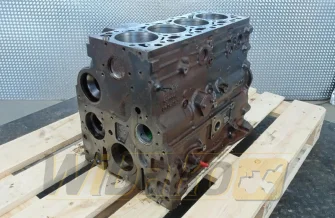
Before detailed measurements begin, the engine is dismantled into its individual components. The removed parts are cleaned and then examined for cracks, deformation, signs of overheating, seizure and other mechanical damage. The sequence of operations depends on the engine design and its initial condition. It is particularly important to relate the damage found to the symptoms observed while the excavator was operating.
The piston and connecting rod assembly requires careful inspection because of its importance to the engine's mechanical performance. The pistons, piston rings, cylinders or cylinder liners, connecting rods and bearings are assessed. Their working surfaces are checked for excessive friction, overheating and mechanical damage. Depending on the engine design, measurements of cylinder diameters, clearances and other parameters are taken to determine the extent of wear.
The crankshaft undergoes a visual inspection and dimensional measurements. The main journals and connecting rod journals, bearing surfaces and crankshaft runout are checked. Oil passages must also be inspected because contamination can restrict lubrication and accelerate wear of the associated components. If irregularities are found, the technicians determine whether the crankshaft can be reused, requires machining or is unsuitable for further operation.
Connecting rod inspection includes a visual assessment, checks for overheating and cracks, and measurements to identify possible deformation. The bearing surfaces and the condition of the connecting rod bolts are also examined. All results must be compared with the permissible values specified for the particular Cummins QSB 4.5 engine.
The cylinder head is inspected for leaks, cracks, valve seat wear and the condition of the valve guides and valves. This is particularly important for engines that have operated at excessive temperatures or experienced compression problems. Depending on the findings, pressure testing, flatness checks and an assessment of the cylinder head's suitability for further use may be required.
If cooling system problems are suspected, the components that may contribute to overheating are also inspected. Corrosion, deposits and contamination can indicate operating problems, although each finding must be assessed in the context of the actual condition of the components. If cracks or a loss of sealing are identified, it must be determined whether an effective repair is possible.
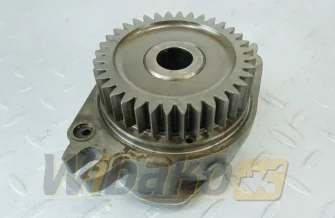
The valve timing system is also inspected. The technicians assess the components responsible for synchronising valve operation with piston movement. The condition of the working surfaces, camshaft wear and the components driving the timing system are checked. If excessive wear is found, the affected parts must be replaced in accordance with the repair requirements.
Engine accessories are also checked, including the turbocharger, starter motor, alternator and intake system components. For the turbocharger, the inspection may include shaft play, rotor condition and working surfaces. Inspecting these components helps reduce the risk of problems recurring after the overhaul. Even a correctly repaired engine may not perform as expected if associated components remain defective.
Once the inspection is complete, a repair plan can be prepared. It identifies components that need replacement, parts requiring reconditioning and components suitable for reuse. This approach helps avoid replacing parts without a technical justification. It also makes it easier to establish the expected scope of work and provide the customer with information about the next steps.
Repair and Reconditioning of the Cummins QSB 4.5 Engine
After the inspection is complete, the actual engine repair process begins. The scope of work depends on the measurement results and the condition of individual components. The aim of the overhaul is to restore proper engine operating parameters, ensure adequate lubrication and cooling, and reduce the risk of further failures. Each stage must be carried out in accordance with the technical requirements for the Cummins QSB 4.5 engine.
Repair of the Piston and Connecting Rod Assembly
The piston and connecting rod assembly converts the energy generated during fuel combustion into crankshaft rotation. Its condition directly affects compression, mechanical efficiency and engine performance. Wear of the pistons, rings and cylinder surfaces can allow combustion gases to enter the crankcase, increase oil consumption and gradually reduce engine power.
After measurements have been taken, the technicians determine whether individual components can be reused. If the pistons, rings or cylinder liners do not meet the required technical specifications, they must be replaced. The crankshaft is assessed for journal condition, runout and the condition of the surfaces that work with the bearings. If its dimensions allow repair, suitable machining, such as grinding, may be carried out within the permissible repair dimensions.
Before reassembly, the components must be thoroughly cleaned and the oil passages checked for unobstructed flow. This is particularly important for engines that have experienced lubrication problems or excessive bearing wear. Any remaining contamination can accelerate wear of the new components and cause another failure.
During assembly of the piston and connecting rod assembly, operating clearances and the correct positioning of the components are checked. All bolted connections must be completed in accordance with the required technical specifications. Incorrect assembly can cause excessive friction, loss of oil pressure or component damage during the first startup. Accurate measurements and compliance with assembly procedures are therefore essential to the durability of the overhauled engine.
Cylinder Head Reconditioning
The cylinder head is responsible for, among other things, the correct combustion process and the sealing of the combustion chambers. Its condition affects compression, operating temperature and engine performance. During an overhaul, the cylinder head is carefully inspected for cracks, distortion, valve seat wear, guide wear and valve condition. The mating surface between the cylinder head and engine block is also checked.
The scope of reconditioning depends on the inspection results. The work may include surface machining, replacement of valve guides, replacement of valves and work on the valve seats. After machining, the cylinder head must be checked again and its sealing verified. If damage is found that cannot be repaired effectively, replacement of the component must be considered.
When reinstalling the cylinder head, it is important to follow the specified bolt-tightening sequence and use the required tightening parameters. The valve train and components associated with the timing mechanism must also be checked. Accurate work at this stage affects engine sealing, operating stability and the durability of the completed overhaul.
Inspection of the Fuel and Intake Systems
The Cummins QSB 4.5 engine requires properly functioning fuel and intake systems to maintain suitable combustion parameters. Fuel delivery problems, malfunctioning injectors or restricted airflow can cause reduced power, uneven operation and increased fuel consumption. During the overhaul, the condition of these systems must therefore be assessed to determine whether additional diagnostics are required.
The inspection may include checking fuel lines, connections, filters and components responsible for delivering fuel to the engine. If there are indications of injector or high-pressure fuel pump problems, specialist testing may be necessary. The scope of these checks should depend on the design of the specific engine version and the diagnostic findings.
The condition of the intake system is equally important. Leaking pipes, contamination or incorrect turbocharger operation can negatively affect engine performance. During the repair, the technicians inspect the air pipes, connections and mounting components. If necessary, damaged parts are replaced, while components suitable for reuse are thoroughly cleaned.
Turbocharger and Auxiliary Equipment Inspection
A comprehensive engine overhaul should also include an assessment of the turbocharger and other components working with the engine. The turbocharger affects the amount of air supplied to the cylinders, so a malfunction can cause a noticeable loss of power. The inspection includes checking shaft play, rotor condition and working surfaces. Depending on the findings, the component may require reconditioning, repair or replacement.
The starter motor, alternator, electrical wiring, sensors and other accessories included in the repair scope are also inspected. Their condition is important for reliable engine starting, monitoring operating parameters and ensuring the correct operation of auxiliary systems. If a fault is identified, its cause must be determined and the appropriate repair carried out.
A comprehensive approach to reconditioning the Cummins QSB 4.5 engine in the Hyundai R140W-9 allows the technicians to assess not only the main mechanical components but also the accessories that may affect future operation. This helps reduce the risk of another failure caused by leaving defective equipment in place after the overhaul.
Assembling the Cummins QSB 4.5 Engine After Overhaul
Once all repair and reconditioning work has been completed, the engine is reassembled. This stage requires precision, attention to detail and compliance with the relevant assembly procedures. Even correctly reconditioned components will not provide the expected durability if mistakes are made during assembly. Before reassembly begins, all parts must therefore be cleaned, inspected and prepared for reuse.
The main engine components are prepared first. The piston and connecting rod assembly is installed, followed by the remaining components in accordance with the design of the Cummins QSB 4.5 engine. During these operations, clearances, component positioning and the condition of mating surfaces are checked. Cleanliness is particularly important because even small contaminants can negatively affect lubrication and engine durability.
The cylinder head is then installed together with the valve train and timing components. All connections must be completed in accordance with the technical requirements. The technicians check that the components are correctly positioned and that the individual parts work together as intended. At this stage, the condition of the timing drive components must also be verified because they affect the synchronisation of valve and piston movement.
Once the main mechanical components have been assembled, the engine accessories are installed. Depending on the scope of the repair, these may include fuel system components, the turbocharger, pipes and electrical equipment. Every connection must be checked for correct positioning and tightness. Components that show wear or damage must not be left unrepaired simply because the main engine assembly has already been completed.
Particular attention is paid to the lubrication and cooling systems during assembly. Before startup, the technicians must ensure that the oil passages are clear and that the pipe connections have been installed correctly. The condition of the air intake and exhaust pipes must also be checked. Leaks in these systems can affect engine performance and, in some circumstances, lead to further component damage.
After assembly, the engine undergoes a completeness check. The technicians inspect the mountings, bolted connections, accessory installation and the routing of all pipes and electrical connections. Every component must be in its correct position, and the wiring must be routed to minimise the risk of abrasion, overheating or contact with moving parts. Only after these checks can the engine be prepared for further testing.
Correct assembly of the Cummins QSB 4.5 engine is essential for its subsequent operation in the Hyundai R140W-9 excavator. The engine will work with the machine's systems under changing loads while performing demanding tasks. Every stage of assembly must therefore be treated as an integral part of the repair process rather than simply a step towards restarting the engine.
Testing the Cummins QSB 4.5 Engine on an Engine Dynamometer
One of the most important stages of a comprehensive engine overhaul is verifying its operation before reinstalling it in the machine. At WIBAKO, we use an engine dynamometer to monitor the performance of the power unit under load. This solution allows us to assess the engine outside the machine and reduces the risk of discovering significant problems only after installation has been completed.
Dynamometer testing is particularly important for diesel engines used in construction machinery. The power unit must be prepared for prolonged operation, frequent load changes and demanding working conditions. Simply starting the engine is not enough to confirm that the overhaul has been successful. Its operating stability, performance under different conditions and response to gradually increasing loads must also be assessed.
Before testing begins, the Cummins QSB 4.5 engine is prepared for operation on the test stand. The basic connections, fluid levels and condition of components essential for safe testing are checked. The engine is then connected to the dynamometer equipment in accordance with the requirements of the test stand. Before applying a load, the technicians must ensure that all necessary systems are functioning correctly.
The first stage involves assessing engine operation under a light load. The technicians monitor engine speed stability, operating temperature, oil pressure and any signs of leakage. Unusual noises and the engine's behaviour after startup are also checked. If any irregularities are detected, their cause must be identified before proceeding to the next stage of testing.
For engines that have undergone a comprehensive overhaul, the adopted dynamometer running-in procedure initially involves an extended period of operation under a light load. The engine runs for at least 16 hours under a light load of approximately 20 to 30 per cent of its nominal value. This stage allows the technicians to observe the engine during prolonged operation and determine whether its basic operating parameters remain stable. The actual test procedure must be adapted to the requirements of the specific engine.
During the running-in period, operating temperature, oil pressure and engine stability are monitored. The technicians also check connection tightness and look for potential leaks. If any irregularities are identified, the test must be adjusted or stopped as necessary to prevent engine damage. Monitoring the parameters over an extended period can help identify problems that might not be apparent during a brief startup.
After the initial stage, provided the engine maintains correct operating parameters, testing can proceed with gradually increasing loads. The unit is tested repeatedly under different operating conditions, and the technicians observe its response to load changes. This helps establish whether the engine operates consistently and whether there are signs of problems affecting the fuel system, lubrication, cooling or accessories.
Monitoring temperature and oil pressure is an important part of the test. These parameters provide information about the engine's operating conditions and can help identify certain lubrication or heat dissipation problems. For a recently overhauled engine, it is particularly important to check whether the values change unexpectedly as the load increases. The results must be assessed against the engine manufacturer's specifications and the conditions under which the test is performed.
The technicians also observe exhaust smoke, uneven running and unusual mechanical noises. These symptoms may indicate problems that require further inspection. If irregularities occur, additional diagnostics can be carried out before the engine is installed in the excavator. This is one of the main advantages of dynamometer testing: the engine can be checked under controlled conditions without having to remove it from the machine again to investigate a fault that could have been identified on the test stand.
An engine dynamometer also makes it possible to assess the unit under load conditions that cannot be fully reproduced during unloaded operation. Depending on the capabilities of the test stand and the scope of the test, engine operating parameters and its response to successive loading stages can be analysed. The results must be interpreted in the context of the test configuration, engine characteristics and manufacturer specifications. It should not be assumed that every test includes exactly the same measurements, as the procedure may vary depending on the engine and the type of repair.
If the engine completes the successive test stages without any concerning symptoms, the test provides evidence that the unit has operated correctly under the conditions checked. However, dynamometer testing does not replace all inspections required after installation. Once the engine has been fitted into the excavator, the connections, interaction with the machine's systems and performance during actual working operations must still be checked.
For an overhaul of the Cummins QSB 4.5 engine intended for a Hyundai R140W-9 wheeled excavator, dynamometer testing is an important quality control stage. It allows the engine to be checked before it returns to service and provides additional information about its condition following the repair. As a result, the machine owner receives an engine that has undergone additional verification under load rather than simply a brief startup test.
At WIBAKO, we treat dynamometer testing as an important part of the engine overhaul process. Combining a detailed component inspection, correct assembly and controlled loading allows us to take a comprehensive approach to diesel engine repairs. This is particularly important for construction machinery, where an engine failure can lead to downtime, project delays and additional operating costs.
Installing the Cummins QSB 4.5 Engine in the Hyundai R140W-9
After the overhaul and dynamometer testing have been completed, the engine can be prepared for reinstallation in the Hyundai R140W-9 wheeled excavator. This stage requires careful planning because the power unit must be correctly positioned in the engine compartment and connected to all machine systems. Simply placing the engine in the compartment does not complete the work. Mechanical, electrical, fuel, intake and cooling connections must also be restored and checked before the first startup.
Installation begins with preparing the machine and the work area. Access to the engine compartment, the condition of the mounting points and the space required to position the unit safely must be checked. As during removal, the engine is moved using a crane provided by the customer. Before lifting begins, the technicians inspect the lifting points and ensure that the unit can be positioned in the compartment without damaging adjacent components.
Particular attention is paid to the engine's position relative to the mountings and other components as it is lowered into place. The unit must be positioned securely, without stresses caused by incorrect alignment. Once it has reached the correct position, the mounting components are installed. The connections must be completed in accordance with the technical requirements, and the engine's seating must be checked before work continues.
The mechanical connections are then restored, and the accessories removed earlier are reinstalled. Depending on the excavator configuration, this may include mounting components, drive-related parts and auxiliary equipment. Each part must be correctly positioned, and every connection must be checked for stability. Particular care must be taken to avoid placing unnecessary strain on pipes and installation components, which could lead to premature wear.
The fuel system is connected next. The lines must be installed in the correct locations, and their connections checked for leaks. Cleanliness must be maintained during installation to reduce the risk of contaminants entering the engine's fuel system. After the connections have been made, their routing, mounting and clearance from components that may cause overheating or mechanical damage are checked.
Restoring the intake system is another important part of the installation process. The air pipes must be carefully inspected before they are reconnected. Their condition, tightness and the correct installation of clamps and connectors must be checked. Damaged or excessively worn components can cause leaks that affect engine performance. Pipes and other components that cannot guarantee correct operation must therefore be replaced when necessary.
The cooling system must also be connected correctly. The technicians inspect the pipes, connections and mounting components before preparing the system for filling with the appropriate coolant. Once the connections have been completed, their tightness must be verified. Incorrectly connected pipes or leaks can result in coolant loss and engine overheating. Before the first startup, the system must be properly prepared for operation.
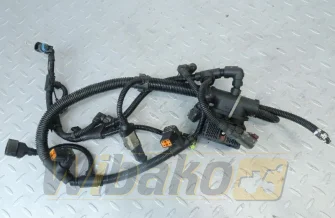
Once the mechanical and fluid connections have been restored, the electrical installation is connected. The technicians check that connectors are properly seated, wiring is in good condition and harnesses are secured. Connections must not be exposed to accidental disconnection, abrasion or contact with hot components. The remaining connections associated with the engine accessories and monitoring systems are then checked.
Before starting the engine, a final installation check is carried out. The technicians inspect the engine mountings, pipes, cooling system connections, intake system, fuel lines and electrical installation. Fluid levels and the readiness of the relevant systems are also checked. The purpose of these inspections is to identify any installation errors before testing begins.
The first startup of the Cummins QSB 4.5 engine in the Hyundai R140W-9 is supervised by the service team. After startup, the technicians monitor operating parameters, pay attention to oil pressure and temperature, and check for leaks. Engine noises, speed stability and accessory operation are also assessed. If any irregularities occur, their cause must be identified before proceeding to further machine tests.
Following the initial inspection, additional functional tests are performed. These assess engine behaviour under changing loads and its interaction with the excavator's systems. Testing should be carried out progressively, taking operating temperature and observed parameters into account. This helps establish whether the engine responds correctly and whether problems arise only during actual working operations.
Testing the machine in the operator's presence is an important part of the process. The operator can assess engine response to control inputs and observe its behaviour during typical operating tasks. At the same time, the technicians monitor engine performance and check the tightness of the connections. If all tests are completed successfully and the machine's technical condition is satisfactory, installation can be finalised and a report confirming the work can be prepared.
After the service work has been completed, the customer receives information about the installation and further engine maintenance. Correct installation is important for the durability of an overhauled engine, but following operating recommendations is equally essential. Regular fluid level checks, monitoring engine performance and responding to early signs of irregular operation can help reduce the risk of more serious failures.
WIBAKO carries out engine removal and installation on construction machinery, providing service support at the customer's location. This helps reduce the amount of work the customer needs to organise independently. Combined with workshop repairs and dynamometer testing, it forms a comprehensive process aimed at restoring engine performance and preparing the machine for further operation.
Post-Overhaul Engine Maintenance
After the overhaul and the excavator's return to service, the maintenance recommendations for the Hyundai R140W-9 engine must be followed. The initial operating period is important for monitoring the engine's condition and identifying any problems that may appear after it returns to work in the machine. Even if the engine has passed dynamometer testing and operates correctly after installation, inspections during subsequent operation must not be neglected.
WIBAKO recommends carrying out the first inspection after 50 operating hours from the engine's startup. During this service visit, the technicians check the overall condition of the power unit and its accessories. Mechanical connections, pipes, the cooling system, air intake and any signs of leakage are inspected. If necessary, filters are also replaced in accordance with the recommendations for the particular engine.
The inspection after 50 operating hours should not be limited to replacing consumables. It is important to check that all connections remain tight after the initial period of operation and that the accessories function correctly. The inspection also helps identify unusual noises, excessive smoke or changes in operating parameters. If irregularities are found, corrective action can be taken before a more serious failure occurs.
Subsequent inspections should be performed every 250 operating hours, but no less frequently than every three months, taking into account the engine manufacturer's requirements and operating conditions. Regular maintenance includes checking the engine's technical condition, inspecting associated systems and replacing service items in accordance with maintenance requirements. Intensive operation in dusty environments or under heavy loads may require particular attention to the filters and cooling system.
The excavator owner should monitor any changes in engine behaviour. Loss of power, increased oil consumption, unusual noises, starting difficulties and abnormal operating temperatures are warning signs that should not be ignored. Prompt diagnostics can help identify the cause and reduce the risk of further damage.
As part of its after-sales support, WIBAKO can carry out maintenance inspections on overhauled engines. Our mobile service team travels to the customer, allowing the engine to be inspected at the location where the machine operates. This makes maintenance easier to schedule and allows the engine to be assessed under its actual working conditions.
Cummins QSB 4.5 Engines in Construction Machinery
The Cummins QSB 4.5 belongs to a family of diesel engines used in various industrial and machinery applications. Engines from this family are found in equipment where suitable power, durability and the ability to operate under demanding conditions are important. However, the specific configuration, accessories and performance characteristics depend on the engine version and application. Exact engine identification is therefore essential when selecting parts or planning repairs.
In construction machinery, the diesel engine works together with the systems responsible for carrying out the machine's tasks. In the Hyundai R140W-9 wheeled excavator, correct engine operation is important for efficient earthmoving and machine mobility. Reduced engine performance can affect the productivity of the entire machine, which is why diagnostics should consider both the power unit itself and the conditions in which it operates.
When identifying an engine for repair or parts selection, it is important to check the identification plate and engine markings carefully. The Cummins QSB 4.5 family designation alone may not be sufficient to select every component correctly. Engine versions may differ in accessory configuration, technical solutions and service requirements.
WIBAKO services engines used in construction machinery from various manufacturers. Our work includes diagnostics, engine overhauls, engine removal and installation, and verification of engine operation after repairs. The scope of work is tailored to each case, taking into account component condition, parts availability and the requirements of the machine's future operation.
If the Cummins QSB 4.5 engine in a Hyundai R140W-9 excavator shows signs of wear or abnormal operation, it is worth starting with a thorough diagnostic assessment. This helps determine whether repairing selected components is sufficient or whether a comprehensive overhaul is required. Correct identification of the problem helps avoid unnecessary costs and makes it easier to plan the next service steps.
Comprehensive Diesel Engine Service at WIBAKO
Overhauling an engine used in construction machinery requires technical knowledge, appropriate workshop equipment and experience in servicing power units. For the Cummins QSB 4.5 engine used in the Hyundai R140W-9 wheeled excavator, the correct sequence of operations is particularly important: from initial diagnostics through removal and component inspection to repairs, testing and reinstallation.
A comprehensive approach allows the condition of all major engine components to be assessed. This helps establish the required scope of work and verify whether the engine maintains the correct operating parameters under controlled conditions after the repair. Dynamometer testing is an important part of the process because it allows the engine to be evaluated under load before it is reinstalled in the machine.
WIBAKO provides service support for diesel engines and construction machinery, including workshop repairs and work carried out at the customer's location. When an engine must be removed, our mobile service team can perform the removal and subsequent installation. The engine can then be transported to Kojszówka for repair work and testing.
Further maintenance is also an important part of the process. An inspection after 50 operating hours, followed by regular servicing, helps verify the engine's condition after it returns to operation. Early detection of leaks, accessory problems or changes in operating parameters can help prevent more serious failures and costly downtime.
If you need diagnostics or an engine overhaul for a Hyundai R140W-9 wheeled excavator, contact WIBAKO. We determine the scope of the repair based on information about the symptoms and the results of the technical inspection. This allows us to select an appropriate repair approach and plan the next stages of work.
Related Services and Information
More information about our services is available on the pages covering construction machinery servicing, diesel engine overhauls and WIBAKO mobile service. Customers looking for replacement parts can also explore our range of construction machinery parts.
Cummins QSB 4.5 Engine Overhaul in a Hyundai R140W-9
Need diagnostics or an engine overhaul for your construction machinery? WIBAKO provides comprehensive diesel engine repairs, engine removal and installation, and testing on an engine dynamometer. Contact us to discuss the required work and arrange your service.