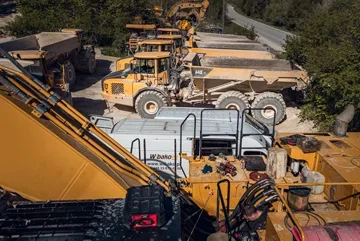
Liebherr D926 A5 Engine Overhaul in a Liebherr LTM 1055-3.1 Mobile Crane
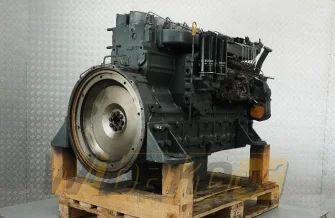
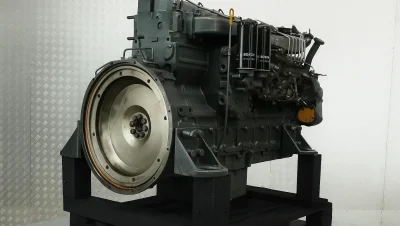
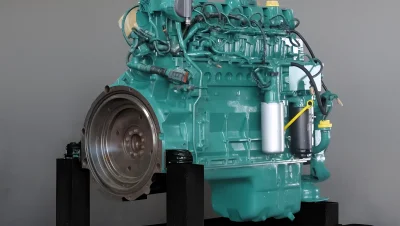
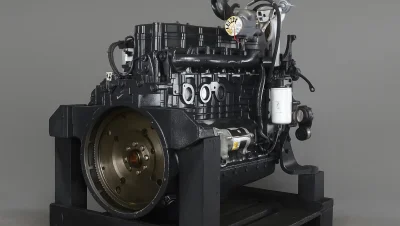
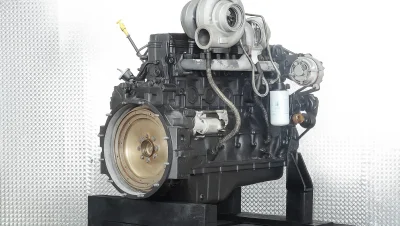
Liebherr mobile cranes are machines designed for demanding lifting, transportation, assembly and construction operations. Their technical condition directly affects operational safety and the reliability of completed tasks. One of the key components responsible for the performance of such equipment is the diesel engine. The Liebherr LTM 1055-3.1 mobile crane is equipped with a Liebherr D926 A5 engine, whose proper operation is essential for maintaining the machine's operating parameters.
At WIBAKO, we specialize in comprehensive overhauls of diesel engines used in construction machinery, industrial equipment and specialized vehicles. Our experience also includes Liebherr power units installed in mobile cranes, excavators and other off-highway machines. We provide diagnostics, engine removal, detailed component inspections, mechanical repairs, engine assembly and load testing on our engine dynamometer.
In the case of the Liebherr D926 A5 engine installed in the Liebherr LTM 1055-3.1 mobile crane, it is particularly important to restore the engine's mechanical efficiency and inspect all components affecting its operational stability. An engine overhaul helps reduce the risk of further failures and prepares the machine for continued operation. We carry out the entire process in carefully planned stages, starting with preliminary diagnostics and finishing with load tests and operating parameter checks.
A properly performed Liebherr engine overhaul involves more than simply replacing worn components. It also requires a thorough inspection of cooperating parts, compliance with the required assembly specifications and testing under conditions similar to actual operating conditions. One of the most important advantages of our service is the ability to test the overhauled engine before reinstalling it in the machine.
Initial Diagnostics of the Liebherr D926 A5 Engine Before Overhaul
Every engine overhaul begins with identifying the cause of the failure. In mobile cranes, maintaining stable engine operating parameters is particularly important because these machines often perform tasks requiring prolonged and predictable operation of the power unit. Preliminary diagnostics help determine whether the problem results from natural component wear or damage to a specific engine component.
One possible reason for overhauling the Liebherr D926 A5 engine is wear of the crankshaft bearings and components cooperating with the crankshaft and connecting rods. Such problems can develop gradually. Initially, the operator may notice unusual noises coming from the engine, particularly when the load changes or engine speed increases. As the wear progresses, irregularities in engine oil pressure may also occur.
Our diagnostic procedure begins with basic inspections. Our mechanics check the overall condition of the engine, inspect the oil level and appearance, assess the tightness of the systems and look for possible leaks. Checking the oil filter is also an important part of the process. The presence of metallic particles may indicate accelerated wear of internal engine components.
More detailed measurements are performed during the next stage. We check engine oil pressure under operating conditions and, if necessary, analyze an oil sample. This provides additional information about the condition of the lubrication system. The diagnostic results are compared with the symptoms reported by the machine operator.
If the results indicate possible damage to the bearings or other mechanical components, a detailed inspection after engine removal becomes necessary. Only dismantling the engine allows us to assess the actual wear of cooperating surfaces, the condition of the crankshaft and the technical condition of the remaining components. This enables us to determine the scope of the overhaul based on actual measurements rather than assumptions based solely on the symptoms of the failure.
Removing the Liebherr D926 A5 Engine from the LTM 1055-3.1 Mobile Crane
After completing the diagnostics and confirming that an overhaul is necessary, we proceed with engine removal. In the case of the Liebherr LTM 1055-3.1 mobile crane, this operation requires proper preparation of the work area and compliance with safety procedures. Due to the weight and dimensions of the engine, removal from the engine compartment is carried out using a crane provided by the customer. Our mechanics are responsible for preparing the engine, disconnecting the systems and properly performing the entire removal process.
Before starting work, we secure the machine and prepare access to the power unit. We then disconnect the hoses and auxiliary components. Particular attention is paid to the electrical installation, fuel lines, cooling system connections and air intake components. Each connection is properly marked to ensure efficient reinstallation and prevent mistakes during assembly.
Next, we remove the engine mounting components. We also disconnect the lines and connections cooperating with the other machine systems. Depending on the configuration of the engine compartment, certain components obstructing access to the mounting points may need to be removed beforehand. During these operations, we inspect the condition of the mounts, connectors and components that may require additional attention during reinstallation.
Before lifting the engine, we secure all open connections of the cooling, fuel and intake systems. This prevents contaminants from entering the systems and reduces the risk of damaging hose connections. We also inspect the lifting points and prepare the engine for safe removal from the engine compartment.
Once all preparations are complete, the engine is lifted using a crane and carefully removed from the engine compartment. Our mechanics monitor its position throughout the operation, paying attention to hoses, structural components and other parts located nearby. After removal, the engine is prepared for transportation to our workshop in Kojszówka, Poland.
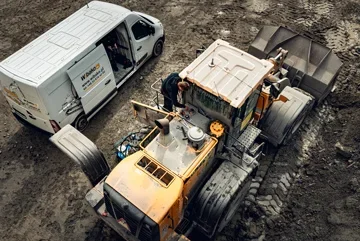
WIBAKO also performs this type of work as part of its mobile service. We travel to customers throughout Poland, carrying out engine removal and installation directly at the machine's operating location. This means the crane owner does not have to organize the entire engine removal process independently. Once removed, the engine is transported to our facility, where detailed inspection and the actual overhaul process begin.
Inspection and Verification of Liebherr D926 A5 Engine Components
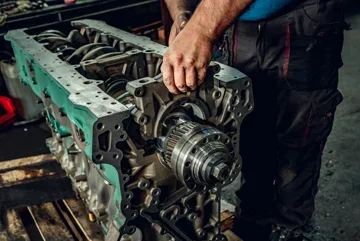
After the engine arrives at our workshop, we begin dismantling it. All major components are removed, cleaned and prepared for individual inspection. We do not limit our checks to the components directly responsible for the reported symptoms. During the overhaul of the Liebherr D926 A5, the entire mechanical system and its cooperating components undergo inspection.
The first stage involves thoroughly cleaning the components. Removing oil residues, carbon deposits and contaminants allows us to perform accurate measurements. Our mechanics assess the condition of working surfaces and look for signs of overheating, scratches, cracks and other indications of improper operation. Only after cleaning individual components can their suitability for further use be properly determined.
The crankshaft is one of the most important components inspected. We check its working surfaces, main and connecting rod journals, and oil passages. We measure the journal diameters and check crankshaft runout. It is also important to identify any signs of overheating, cracks or excessive wear. If irregularities are found, we determine whether the crankshaft can be reused or requires reconditioning.
Connecting rods are also thoroughly inspected. We check their visual condition, possible deformation, cracks and signs of overheating. Measurements include twisting and longitudinal bending. We also check the weight of individual components and the condition of the connecting rod bolts. Proper connecting rod condition is essential for smooth operation of the crankshaft and piston assembly.
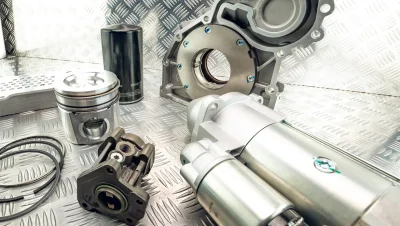
The pistons, piston rings, cylinder liners and bearings are inspected during the next stage. We examine their working surfaces and measure the degree of wear of individual components. Particular attention is paid to seizure marks, excessive clearances and damage that may indicate lubrication system problems. We also inspect the cylinder bore surfaces, as their condition directly affects combustion chamber sealing.
The engine cylinder head undergoes a separate inspection process. We check the valve seats, valve guides, clearances and the sealing surface against the engine block. We also perform a pressure-tightness test, which involves immersing the properly prepared cylinder head in heated water and applying compressed air. Observing possible air bubbles allows us to identify leaks and potential cracks.
We also inspect the camshaft, checking its working surfaces, main journals and cam lobes. Measurements help determine whether the component has maintained the required dimensions and can be reused. If excessive wear is detected, we consider reconditioning or replacement.
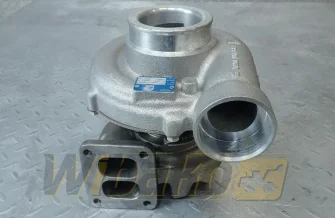
The turbocharger is inspected separately. We check axial and radial shaft play, as well as the overall condition of the component. Other auxiliary components are also inspected, including the alternator, starter motor and mechanical connections. If the fuel system components show signs of malfunction, the inspection scope depends on their design and the symptoms identified. If diagnostics indicate problems with the injection pump, it may be sent for testing on a specialized test bench.
Once all measurements are complete, we prepare an assessment of the technical condition of the components. This allows us to determine which parts can be reused, which require reconditioning and which must be replaced. This thorough inspection process reduces the risk of leaving worn components inside the overhauled engine.
Overhaul and Reconditioning of the Liebherr D926 A5 Engine
After completing the inspection, we proceed with the actual engine overhaul. The scope of work is determined based on measurement results and the technical condition of individual components. In the case of the Liebherr D926 A5, particular attention is paid to restoring proper cooperation between the crankshaft and piston assembly components, ensuring cylinder head efficiency and maintaining the correct operation of systems responsible for lubrication and engine fuel supply.
Repair of the Crankshaft and Piston Assembly
The crankshaft and piston assembly converts the energy generated during fuel combustion into rotational movement of the crankshaft. Its condition directly affects engine performance, smooth operation and the overall durability of the power unit. For this reason, during the Liebherr D926 A5 overhaul, we pay particular attention to accurate measurements and proper preparation of all cooperating components.
If the inspection reveals crankshaft wear, we assess whether reconditioning is possible. Where justified, the crankshaft journals are ground to the appropriate repair dimensions. Before the crankshaft can be reused, it must meet the required specifications regarding dimensions, runout and surface condition. We also check the oil passages to ensure they are clear, as contamination can lead to repeated bearing damage.
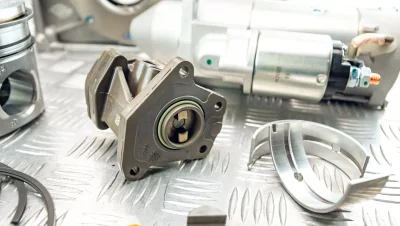
Crankshaft and connecting rod bearings are replaced according to the overhaul scope and inspection results. During assembly, we check bearing clearances and ensure that all components are properly seated. This is particularly important for maintaining the correct oil film between cooperating surfaces.
We also inspect the pistons, piston rings and cylinder liners. Components showing excessive wear or damage are replaced. In the case of cylinder surfaces, we assess their condition and determine whether they can continue operating after the necessary preparation work. Proper matching of pistons, rings and cylinder liners affects combustion chamber sealing, oil consumption and the maintenance of correct compression pressure.
Connecting rods are prepared for reassembly after inspection or replaced if their condition does not allow further use. All work is carried out in accordance with the required assembly specifications. At this stage, checking alignment and ensuring that all components are correctly installed is also essential.
Engine Cylinder Head Reconditioning
The engine cylinder head is responsible for proper gas exchange in the cylinders and maintaining combustion chamber sealing. Its condition affects engine performance, starting and operating stability. Therefore, as part of the Liebherr D926 A5 overhaul, we thoroughly inspect the cylinder head and prepare it for further operation.
The basic reconditioning procedure includes resurfacing the cylinder head when measurements indicate that this is necessary. Valve guides and valves are then replaced according to the identified wear. We also inspect the valve seats, check their contact surfaces and assess the tightness of the entire component.
The pressure-tightness test helps identify damage that could allow coolant to enter the combustion chambers or cause other engine operating problems. A cylinder head that does not meet the required technical specifications is not approved for reinstallation without the necessary repairs.
After reconditioning, all surfaces are thoroughly cleaned. We also inspect the condition of components cooperating with the cylinder head to reduce the risk of leaks after the engine is started. The prepared component is then transferred to the assembly station.
Inspection of the Fuel System and Auxiliary Components
In addition to the main mechanical components, we inspect the parts responsible for the proper fuel supply to the Liebherr D926 A5 engine. The fuel system must provide the correct conditions for delivering fuel to the combustion chambers. Malfunctions can cause uneven engine operation, excessive smoke, starting problems and increased fuel consumption.
If an injection pump malfunction is suspected, it can be tested on a dedicated test bench. This allows us to check the operating parameters of the component and determine whether reconditioning is necessary. The injectors may also be inspected if the symptoms indicate irregularities in the fuel injection process.
We also inspect the turbocharger. Its mechanical condition, shaft play and connection tightness are checked. A damaged turbocharger can negatively affect engine operating parameters, which is why we include it in the comprehensive overhaul process.
The alternator, starter motor and other auxiliary components are also inspected. We check their mounting points, electrical connections and mechanical components. If any damage is identified, we carry out the necessary repairs or replace the defective components. This ensures that the overhaul covers not only the internal engine components but also the parts essential for its proper operation.
Professional Assembly of the Liebherr D926 A5 Engine
Once all reconditioning work has been completed, we proceed with engine assembly. This stage requires a high level of precision, as even minor deviations from the required specifications can affect engine durability. Before installation, all components are checked again to ensure that they are clean and that their working surfaces have been properly prepared.
Assembly begins with preparing the engine block and crankshaft and piston assembly components. We install the properly prepared cylinder liners, pistons, piston rings and connecting rods. Next, we install the crankshaft and bearings, checking clearances and ensuring that all parts are correctly seated. Bolted connections are tightened according to the technical specifications applicable to each component.
After preparing the lower section of the engine, we proceed with cylinder head installation. Appropriate sealing components are used, and all mating surfaces must be clean and properly prepared. We also install the timing components and check their correct positioning. The remaining components, including the fuel system and engine accessories, are then installed.
At every stage, we pay attention to the cleanliness and unobstructed condition of the oil passages and the correct connection of components responsible for lubrication. Before the first start, the lubrication system must also be properly prepared. This helps reduce the risk of operating cooperating surfaces without an adequate oil film.
After completing the mechanical assembly, we install the turbocharger, alternator, starter motor and other auxiliary components required for the specific engine configuration. We check the completeness of the unit and inspect all connections. Only after these operations are completed is the engine prepared for testing on the WIBAKO engine dynamometer.
Testing the Liebherr D926 A5 Engine on the WIBAKO Engine Dynamometer
One of the most important stages of the overhaul process is testing the engine before it is reinstalled in the mobile crane. At WIBAKO, we have an engine dynamometer that allows us to test power units under load. This enables us to verify the operation of the overhauled Liebherr D926 A5 engine before returning it to the Liebherr LTM 1055-3.1 mobile crane.
An engine dynamometer allows us to assess how the unit performs under different operating conditions. Simply starting the engine and checking whether it runs at idle does not provide sufficient information about its condition. During actual operation, the engine must handle changing power demands, maintain stable lubrication and cooling parameters, and respond correctly to increasing loads. For this reason, dynamometer testing is an important part of our overhaul quality control process.
After installing the engine on the test stand, we prepare all the necessary connections. We connect the systems required for starting and proper engine operation, check operating fluid levels and inspect hose connections for leaks. Before beginning the actual test, we also verify that the lubrication and cooling systems are properly prepared. We then start the engine for the first time, while our mechanics monitor its operation and check the basic operating parameters.
Once stable operation has been achieved, we begin the running-in process. Engines that have undergone an overhaul are not immediately subjected to maximum loads. The initial test lasts at least 16 operating hours, during which the engine runs under light conditions at approximately 20-30% of its rated load. This is an important stage that allows new or reconditioned cooperating surfaces to bed in properly.
Throughout the running-in period, we regularly monitor engine performance. We check oil pressure, operating temperature and engine speed stability. We also look for possible leaks, unusual noises and other symptoms that may indicate improper operation. Monitoring these parameters allows us to respond quickly if any irregularities occur.
After completing the initial running-in period and confirming stable operation, we proceed with higher-load tests. We gradually increase the demands placed on the engine while observing its response to changing operating conditions. Multiple load tests are performed to verify whether the engine maintains the correct parameters during more demanding operation.
Monitoring oil pressure is particularly important during testing. The lubrication system must provide appropriate operating conditions for the bearings, crankshaft, timing components and other engine parts. Stable oil pressure is one of the basic indicators of proper engine operation. Equally important is monitoring engine temperature, which allows us to assess how the unit behaves during prolonged operation and increased loading.
We also check engine speed stability and its response to changing loads. The engine should run smoothly without unusual vibrations or disturbing noises. We additionally monitor the intake system and turbocharger. If any irregularities occur, the test can be stopped and additional diagnostics carried out before the engine is approved for further testing.
The dynamometer allows us to test the engine under controlled conditions without using the mobile crane itself. This is a significant benefit for the customer because potential problems can be identified and resolved before the engine is installed in the machine. It reduces the risk of having to remove the engine again and helps prevent additional equipment downtime.
It is worth emphasizing that dynamometer testing does not replace installation checks or subsequent maintenance. However, it is an important stage in confirming the quality of the completed overhaul. By combining workshop inspections with load testing, we can deliver an engine that has been tested before being reinstalled in the machine.
The ability to carry out such tests is an important advantage of WIBAKO's services. Not every workshop specializing in engine overhauls has the facilities required to test engines under load before installation. At WIBAKO, the dynamometer is an integral part of our quality control process rather than simply an additional service.
Installing the Overhauled Engine in the Liebherr LTM 1055-3.1 Mobile Crane
After completing the overhaul and successfully passing the dynamometer tests, the Liebherr D926 A5 engine is prepared for reinstallation in the Liebherr LTM 1055-3.1 mobile crane. Our mechanics carry out the installation at the customer's location. As during engine removal, a crane provided by the customer is used to position the engine inside the engine compartment.
Before starting the installation, we inspect the engine compartment and check its condition. We examine the mounting points, structural components and connections that will be used during installation. We also inspect the condition of hoses and auxiliary components remaining in the machine. If worn mounting components or damaged hoses were identified during removal, these must be addressed before installation begins.
The engine is properly suspended and transported to the engine compartment. Our mechanics monitor its position to prevent contact with structural components and installations located nearby. The unit is then gradually lowered and positioned on the mounting points. Once the correct position has been achieved, we install the engine mounts and check that the unit is properly seated.
The next stage involves connecting the systems cooperating with the power unit. We install the cooling system hoses, fuel lines, intake system and other connections necessary for proper engine operation. Particular attention is paid to the air intake piping. The intake pipes must be correctly fitted and securely connected, as leaks in this area can negatively affect engine and turbocharger performance.
We also inspect the condition of the cooling system hoses. All connections must be properly seated and secured. We check clamps, connectors and the points where hoses connect to individual components. The same procedure is followed for fuel lines, ensuring that they are correctly routed and protected against mechanical damage.
After completing the mechanical connections, we proceed with connecting the electrical installation. We inspect the wiring, connectors and mounting points. Next, we refill the required operating fluids and install the filters. Before starting the engine for the first time, we check the engine oil and coolant levels and make sure that all components have been installed correctly.
Thorough inspection of all connections for leaks is an essential stage. We check the lubrication, cooling, fuel and intake systems. We also inspect the engine mounts and auxiliary component connections. Our inspection is not limited to a brief visual check. After starting the engine, we inspect the individual connection points again, as some leaks may only become visible once the systems are operating under pressure and at elevated temperatures.
The first engine start is supervised by our mechanics. We monitor the operation of the Liebherr D926 A5, check oil pressure and temperature, and observe engine speed stability. We also check for unusual noises, excessive vibrations and operating fluid leaks. If any irregularities are detected, we take the necessary corrective action before proceeding with further tests.
Once stable operation has been achieved, we perform machine tests together with the operator. We check the engine's response to changing loads and observe its behavior under various operating conditions. We also verify the interaction between the engine and the machine's systems. This is important because correct engine operation outside the machine does not automatically guarantee that all connections and systems will work properly after reinstallation.
The operator participates in the tests, allowing the crane to be assessed from the perspective of everyday use. Our mechanics monitor engine operation, while the operator can verify whether the machine responds correctly during basic operating procedures. After the tests are completed, we inspect all connections again for leaks and check the overall condition of the installed engine.
If all tests are successful and the engine shows no signs of malfunction, the completed work is approved. An installation report is prepared to confirm that the inspection has been carried out and the tests have been successfully completed. The customer receives the machine with an installed and tested power unit.
Post-Overhaul Engine Maintenance - Inspection After 50 Operating Hours
Properly completing the overhaul and installation of the Liebherr D926 A5 engine is not the end of the service process. To maintain the engine's durability, it is important to follow the recommendations concerning operation and regular maintenance. At WIBAKO, we also provide maintenance services for overhauled engines, allowing customers to benefit from our mechanics' support after the machine has been returned to operation.
We recommend carrying out the first inspection after 50 operating hours from the engine's initial start. At this point, our mobile service team travels to the customer and inspects the engine directly at its operating location. This is particularly convenient for mobile cranes, as transporting the machine to a workshop solely for a maintenance inspection may be impractical.
During the first visit, we replace the filters in accordance with the recommendations for engines after an overhaul. We also check the oil condition and level. An important part of the inspection is a thorough check of the connections made during installation. We inspect the cooling, lubrication, fuel and intake system hoses. Particular attention is paid to possible leaks, loose mountings and irregularities that may have appeared during the first hours of operation.
In addition to replacing the filters, we inspect the overall condition of the engine accessories and assess engine performance. We check operating parameters and make sure that the unit maintains a stable temperature and correct oil pressure. If we notice any unusual symptoms, we can perform additional diagnostics and identify the cause of the problem.
We recommend carrying out subsequent inspections every 250 operating hours, but no less frequently than every 3 months. Regular inspections allow us to identify signs of wear at an early stage and respond to potential problems. This is particularly important for machines operating under changing site conditions and heavy loads.
As part of our maintenance services, we can also inspect selected components cooperating with the power unit. The scope of each inspection is adapted to the machine type, operating conditions and previous arrangements with the customer. This allows owners of Liebherr LTM 1055-3.1 mobile cranes to benefit from comprehensive support even after the overhaul has been completed.
Liebherr Engines Used in Mobile Cranes and Other Machines
Liebherr engines are used in a wide range of machines operating in construction, heavy transportation and industry. The manufacturer offers power units designed for demanding conditions, where reliable operating parameters and the ability to work under prolonged loads are essential.
The Liebherr D926 A5 is an engine that requires specialist knowledge of industrial diesel engines and experience in diagnostics and mechanical repairs. At WIBAKO, we overhaul Liebherr engines used in various off-highway machines. Depending on the specific engine and its configuration, we can provide diagnostics, complete overhauls, reconditioning of selected components and testing on our engine dynamometer.
Our service facilities allow us to work on Liebherr engines used in:
Liebherr mobile cranes, including machines from the LTM series.
Liebherr crawler and wheeled excavators.
Wheel loaders used in construction and industrial applications.
Material handling machines and specialized equipment.
Other construction and industrial machines equipped with Liebherr engines.
The application of a particular engine type depends on its version, machine configuration and year of manufacture. For this reason, we always verify the engine designation and machine identification details before starting any repair. This allows us to select the correct parts and determine the necessary scope of work.
We also provide comprehensive support for other Liebherr power units. Our services include engine overhauls, component inspections, mechanical system repairs and engine dynamometer testing. We also service engines manufactured by Deutz, Cummins, Caterpillar, Perkins, Volvo, Kubota and Yanmar.
It is important to remember that correctly identifying the power unit is essential when ordering spare parts and planning an overhaul. If the customer does not know the exact engine designation, our advisors can help identify it using the serial number, engine number or a photograph of the identification plate.
Comprehensive Liebherr Engine Overhauls - Why Choose WIBAKO?
Overhauling an engine installed in a mobile crane requires appropriate technical facilities, experience and efficient work organization. In the case of machines such as the Liebherr LTM 1055-3.1, the goal is not only to restore engine performance but also to minimize equipment downtime. That is why WIBAKO provides comprehensive engine repair services, covering both workshop operations and work performed directly at the customer's location.
Our services include engine removal from machinery, transportation of power units to our facility in Kojszówka, detailed component inspections, reconditioning and replacement of worn parts, engine assembly and testing on our engine dynamometer. After completing the overhaul, we can also reinstall the engine and carry out machine tests together with the operator.
One of WIBAKO's most important advantages is the ability to test engines under load before installing them in machinery. Our dynamometer allows us to assess engine performance under controlled conditions and verify its operating parameters. This helps reduce the risk of problems occurring after the crane has been returned to operation.
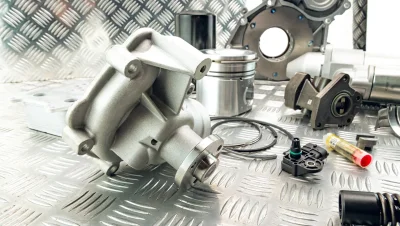
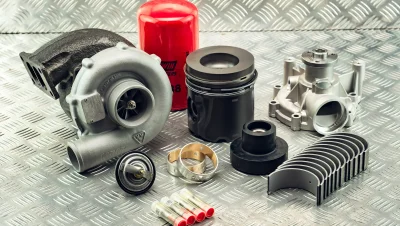
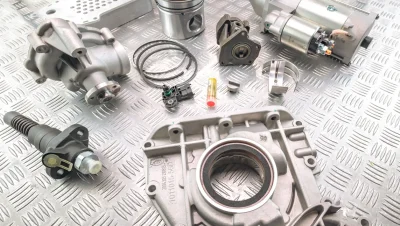
Parts availability is another important factor. We sell spare parts for diesel engines, offering genuine components, OEM-quality replacements and proven solutions used in professional engine servicing. This allows us to organize the overhaul process more efficiently and select parts suitable for the specific engine.
Our experience covers the servicing of construction and industrial machinery from numerous manufacturers. We overhaul engines used in excavators, wheel loaders, mobile cranes, dump trucks, crushers and other specialized machines. We also operate a mobile service team that works throughout Poland. Depending on the customer's requirements, we can perform diagnostics on-site, remove the engine or reinstall it after the overhaul has been completed.
All work is carried out according to the technical condition of the engine and the actual extent of the damage. We do not apply the same repair procedure to every engine. Each power unit undergoes an individual inspection, and the scope of reconditioning and component replacement is determined by the measurements performed.
If your Liebherr LTM 1055-3.1 mobile crane requires repairs to its D926 A5 engine or another Liebherr power unit, contact our team. We can help determine the scope of work, organize engine removal and carry out a comprehensive overhaul, including testing on our engine dynamometer.
Supported Machinery and Diesel Engine Brands
As part of its construction machinery servicing and diesel engine overhaul services, WIBAKO supports equipment manufactured by numerous companies. Our experience includes, among others:
Machinery brands: Liebherr, Caterpillar, Volvo, Komatsu, Hitachi, Hyundai, JCB, Case, New Holland, Terex, Atlas, Yanmar, Hamm, Dynapac, Sany, LiuGong, Bobcat, JLG, Fuchs and Kramer.
Engine brands: Liebherr, Deutz, Cummins, Caterpillar, Perkins, Volvo, Kubota, Komatsu, Yanmar and Isuzu.
The scope of service depends on the machine type, installed power unit and availability of technical information. If you have any questions about overhauling a specific engine, please contact our service department.
Related WIBAKO Services
Overhauling the Liebherr D926 A5 engine in a mobile crane is just one of the services provided by our team. We also carry out other work related to construction machinery maintenance and component repairs.
Construction Machinery Service - diagnostics, repairs and technical maintenance of machinery directly at the customer's location and in our workshop.
Diesel Engine Overhauls - comprehensive reconditioning of power units used in construction, industrial and specialized machinery.
Engine Dynamometer Testing - power unit load testing, operating parameter monitoring and verification of engines after overhaul.
Diesel Engine Spare Parts - sales of genuine parts and OEM-quality replacements for engines from numerous manufacturers.
Mobile Construction Machinery Service - on-site assistance, diagnostics, engine removal and installation, and repairs at the machine's operating location.
Liebherr D926 A5 Engine Overhaul and Mobile Crane Service
Does your Liebherr LTM 1055-3.1 require engine repairs? WIBAKO provides comprehensive Liebherr engine overhauls, engine dynamometer testing and mobile engine removal and installation services. Contact us to discuss your repair requirements.