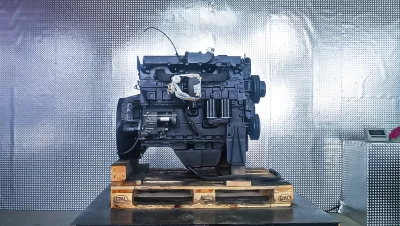
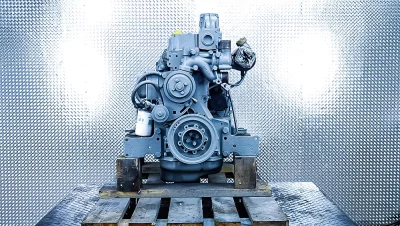
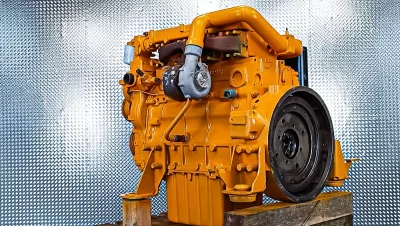
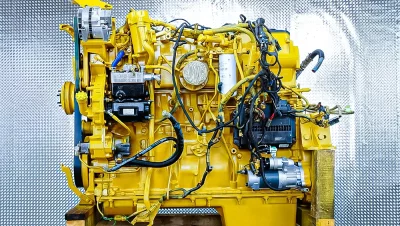
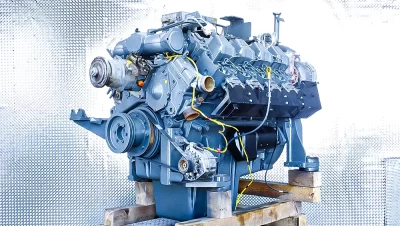
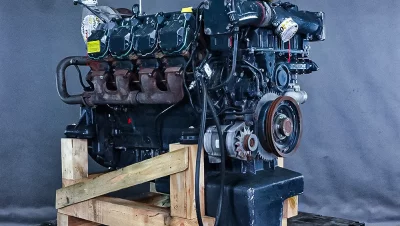
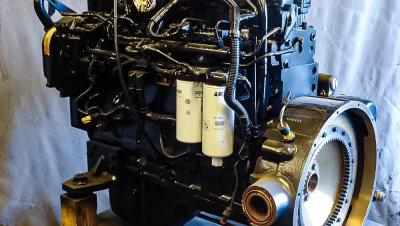
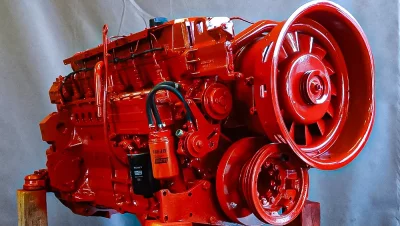
John Deere Engine Overhaul in a John Deere W550 Combine Harvester
The John Deere W550 combine harvester is a machine designed for intensive harvesting operations, where reliability, performance and the ability to maintain continuous operation are essential. During the harvest season, any unplanned downtime can cause delays and additional costs. This is why the condition of the diesel engine is crucial to the proper operation of the entire machine. If engine problems occur, accurate diagnostics should be carried out and, if necessary, a comprehensive engine overhaul should be performed.
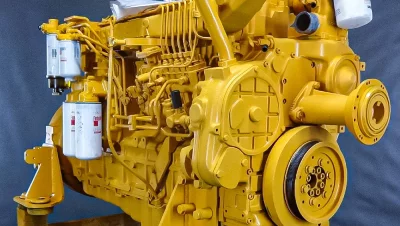
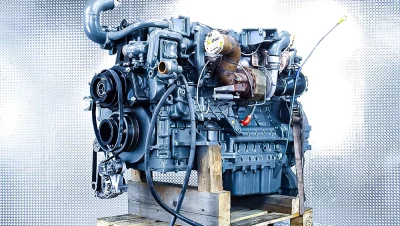
WIBAKO specialises in the repair and overhaul of diesel engines used in construction machinery, agricultural equipment and other working machines. The scope of work is determined by the actual technical condition of the engine, taking into account both the degree of wear of individual components and the operating conditions in which the engine will subsequently be used. The process includes diagnostics, disassembly, component inspection, repairs, reassembly and testing after completion of the work.
In the case of the John Deere W550 combine harvester, it is particularly important to restore engine performance parameters that ensure stable operation during long harvesting periods. The engine must provide adequate power not only when running without load but also under intensive operating conditions. Therefore, a properly performed overhaul should not be limited to replacing only the most worn components. A comprehensive assessment of the engine's technical condition, inspection of associated components and verification of the engine's operation after reassembly are essential.
The exact engine variant installed in a particular John Deere W550 must be confirmed using the machine's serial number and the engine identification details. This ensures that the correct spare parts are selected and the technical requirements for the repair are established. WIBAKO carries out diesel engine overhauls according to the specifications of the individual engine and the intended application of the machine.
Engine Diagnostics in the John Deere W550 Combine Harvester
Before an engine overhaul begins, it is necessary to identify the cause of the engine's improper operation. In agricultural machinery, problems may develop gradually, for example through reduced power, increased fuel consumption, starting difficulties or unusual noises. Sometimes the engine appears to operate normally but fails to deliver the performance required under heavy loads. In such situations, observing the engine alone is not sufficient to determine the scope of the necessary repairs.
The diagnostic process begins by gathering information about the operating history of the John Deere W550 combine harvester. Important details include symptoms reported by the operator, when the problems occur, how frequently they appear and whether any previous repairs have been carried out. This information helps determine the direction of further inspections and reduces the risk of overlooking the underlying cause of the fault.
Initial diagnostic procedures include a visual inspection of the engine, checking fluid levels, assessing the tightness of systems and inspecting visible auxiliary components. The cooling system is also checked, as inadequate heat dissipation can cause the engine to overheat and accelerate component wear. The lubrication system must also be inspected because its proper operation directly affects the service life of mechanically interacting components.
If the symptoms indicate wear in the piston and crankshaft assembly, further diagnostics may include compression testing, cylinder leak-down testing and checking for excessive oil consumption. When engine power is reduced, the intake system, turbocharger and components responsible for supplying fuel are also examined. The scope of testing depends on the design of the particular engine and the symptoms reported.
Initial diagnostics help determine whether more detailed inspections are required or whether the problem may be caused by a faulty auxiliary component. The final decision regarding the scope of the overhaul is made after the components have been thoroughly inspected. This allows the repair of the John Deere W550 engine to be planned according to its actual technical condition rather than assumptions about the cause of the failure.
Removing the Engine from the John Deere W550 Combine Harvester
If the diagnostic results indicate that an overhaul is necessary, the next stage is preparing the John Deere W550 combine harvester for engine removal. The work requires proper organisation, securing the machine and following all applicable safety procedures. Before removal begins, the combine is immobilised and the systems that need to be disconnected are prepared for servicing.
The engine is removed using a crane provided by the customer. Before lifting the unit, the mechanics identify the connections, mounting points and auxiliary components that must be disconnected. It is important to follow the correct sequence of operations to avoid damaging hoses, connectors and other components located in the engine compartment. All openings and disconnected lines are properly protected against contamination.
The first step involves disconnecting electrical connections, hoses and auxiliary components that prevent the engine from being safely removed. The engine mounts and remaining mechanical connections are then dismantled. Particular attention is paid to the cooling system hoses, air intake connections and other components that could be damaged while moving the engine. Openings and disconnected lines are secured to prevent dirt from entering the systems.
Before the engine is lifted, the mechanics check that all connections have been properly disconnected. The unit must be lifted in a controlled manner, taking into account its weight, lifting points and the available working space. This reduces the risk of damaging the engine, the machine's structural components or other auxiliary equipment.
Once the engine has been removed, the accessible mounting points and components surrounding the engine are also inspected. This inspection may reveal leaks, damaged hoses or other issues that should be addressed during reinstallation. The removed engine is prepared for transport and delivered to WIBAKO's workshop in Kojszówka, where further workshop procedures are carried out.
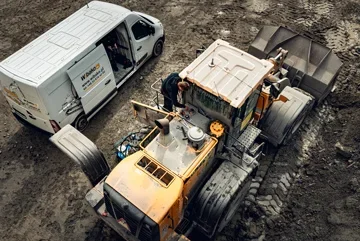
Organising engine removal and reinstallation at the machine's operating location reduces the amount of work the customer needs to perform independently. WIBAKO offers mobile servicing, which makes it possible to carry out selected maintenance and repair operations directly at the customer's site. The scope of service is agreed individually, taking into account the type of machine, the availability of lifting equipment and the nature of the repair.
Engine Component Inspection at the WIBAKO Workshop
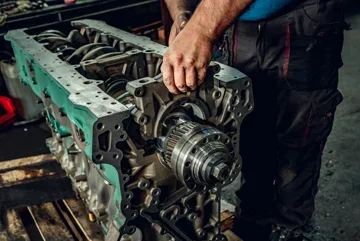
After the engine from the John Deere W550 combine harvester has been delivered to the workshop, a detailed assessment of its technical condition begins. This is one of the most important stages of the entire process, as many internal components can only be accurately evaluated after the engine has been dismantled. The symptoms observed before removal provide a useful reference, but the actual scope of the repair is determined through visual inspection, measurements and checks of individual components.
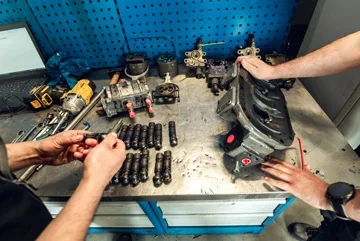
The engine is disassembled, and the individual components are cleaned and inspected. The mechanics look for cracks, scratches, signs of overheating, excessive wear and other damage that could affect the engine's operation. Thorough cleaning makes it easier to identify defects that might otherwise remain unnoticed during a superficial inspection.
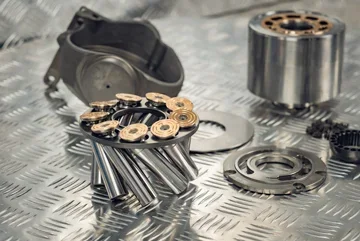
The piston and crankshaft assembly is inspected, including the crankshaft, connecting rods, pistons, piston rings, cylinder liners and bearings. Depending on the engine design and the extent of disassembly, the cylinder head, timing components, lubrication system and cooling system are also checked. The auxiliary equipment must also be inspected, as malfunctioning components can reduce engine performance or contribute to a recurring failure.
The crankshaft is visually inspected and measured to assess the condition of its journals and check crankshaft runout. The oil passages are also examined because their unobstructed condition is essential for proper lubrication of the interacting components. If wear exceeds the permissible limits, an appropriate repair method is selected, which may involve machining or replacing the component.
The connecting rods are checked for cracks, signs of overheating, deformation and wear on mating surfaces. The condition of the fasteners is also important. Pistons, piston rings and cylinder liners are inspected for wear and damage that could cause loss of cylinder sealing, increased oil consumption or reduced compression.
The cylinder head inspection includes checking its condition, tightness and valve train components. Depending on the results, repairs may involve replacing valves and guides, resurfacing the cylinder head or performing additional work. Inspecting the cylinder head helps reduce the risk of recurring problems associated with compression loss or irregular engine operation.
The turbocharger, alternator, starter motor and other auxiliary components require a separate assessment. The turbocharger is checked for shaft play and the overall condition of its components. The scope of fuel system inspection depends on the engine design and the symptoms reported before the repair. If there are indications of fuel injection system malfunction, additional testing of its components may be necessary.
Once the inspection is complete, the scope of the John Deere engine overhaul is determined. The mechanics establish which components can be reused, which require reconditioning and which must be replaced. Only then can a repair plan be prepared and the correct parts selected for the specific engine variant.
Repair of the Piston and Crankshaft Assembly
The piston and crankshaft assembly converts the energy generated during fuel combustion into the rotational movement of the crankshaft. Its technical condition directly affects engine power, cylinder sealing, oil consumption and service life. Excessive wear of components in this assembly can lead to reduced performance, increased exhaust smoke and difficulties starting the engine.
During the overhaul of the John Deere W550 engine, particular attention is paid to assessing the condition of interacting components. The pistons, piston rings and cylinder liners must work together to provide adequate sealing and the correct operating conditions. Excessive clearances or damaged surfaces can allow combustion gases to enter the crankcase, increase oil consumption and reduce engine efficiency.
After cleaning, the necessary measurements are taken. The results determine whether individual components remain within the required tolerances. If excessive wear is identified, a decision is made to recondition or replace the affected component. The appropriate solution depends on the component's technical condition, the possibility of carrying out proper machining and the engine manufacturer's requirements.
The crankshaft is also inspected. The main and connecting rod journals, bearing contact surfaces and oil passages are checked. If the measurements confirm that machining is possible, the crankshaft may undergo appropriate reconditioning. Otherwise, an alternative solution must be selected to ensure correct operating parameters.
The main and connecting rod bearings must be selected according to the dimensions and requirements of the specific engine. During assembly, it is essential to maintain the correct clearances and follow the prescribed installation procedures. Incorrect component fitment can cause lubrication problems, excessive friction and serious engine damage.
Once all components have been prepared, the piston and crankshaft assembly is reassembled under clean conditions and in accordance with the required installation specifications. The mechanics check that the components are correctly positioned and that the mechanisms move freely. Accurate execution of these operations is essential for the engine's subsequent performance, particularly under the prolonged loads encountered during the harvesting season.
Cylinder Head Reconditioning
The cylinder head is responsible, among other things, for the proper exchange of gases in the cylinders and for maintaining the sealing of the combustion chambers. Damage to the cylinder head can cause compression loss, irregular engine operation, starting problems and, in some cases, overheating. For this reason, cylinder head inspection is an important part of overhauling the engine used in the John Deere W550 combine harvester.
After removal, the cylinder head is thoroughly cleaned and prepared for testing. The mechanics assess the condition of its surfaces, valve seats, valve guides and valves. The cylinder head is also checked for leaks to identify potential cracks or other damage that could prevent it from being safely reused.
Depending on the inspection results, the work may include resurfacing the cylinder head, replacing valve guides and valves, and performing other operations required to restore the correct technical parameters. All work is selected according to the component's actual condition. If the cylinder head does not meet the requirements for safe reuse, replacement should be considered.
It is also important to inspect the components that work with the cylinder head. During engine assembly, the correct seals must be installed and the specified tightening procedure followed. Proper installation reduces the risk of leaks and problems that might otherwise appear only after the engine has been started.
Comprehensive cylinder head repair, combined with inspection of the piston and crankshaft assembly, helps restore the conditions required for proper engine operation. This is particularly important in a combine harvester, where the engine must maintain stable performance during long periods of operation.
Inspection of the Fuel System and Auxiliary Equipment
Proper diesel engine operation depends not only on the condition of its main mechanical components. The fuel system, intake system, turbocharger, cooling system and other auxiliary equipment also play important roles. Faults in these components can cause symptoms similar to mechanical engine wear, so their condition must be considered during a comprehensive repair.
If diagnostics indicate fuel supply problems, the relevant fuel injection system components must be inspected. Incorrect fuel delivery can cause irregular engine operation, increased fuel consumption, excessive exhaust smoke and reduced power. Depending on the engine design and the identified symptoms, the scope of testing is determined individually.
The turbocharger is also inspected, as its function is to supply the engine with an adequate amount of air. Damage or improper operation can limit engine performance. The intake hoses and connections must also be checked, as leaks in the air intake system can affect engine operating parameters.
The inspection of auxiliary equipment also includes assessing the condition of the alternator, starter motor and accessible electrical connections. These components must ensure reliable engine starting and the proper operation of associated equipment. Any identified irregularities are taken into account when preparing the repair plan.
After the inspection is complete, the components intended for reassembly are prepared. Damaged parts or components that are too worn for further use are replaced or sent for appropriate reconditioning. The objective is to restore the engine assembly to proper working condition, ensuring that all systems operate correctly together.
Engine Reassembly After the Overhaul
Once the repair work has been completed and all components have been prepared, engine assembly begins. This stage requires precision, experience and compliance with the appropriate procedures. A properly performed overhaul must be followed by careful reassembly, as even high-quality parts cannot ensure the expected service life if mistakes are made during installation.
Before assembly begins, all components are checked for cleanliness and readiness for installation. Particular attention is paid to mating surfaces, oil passages and areas where even small contaminants could cause accelerated wear. The piston and crankshaft assembly components are installed according to the technical requirements of the specific engine, maintaining the correct clearances and tightening specifications.
During the installation of the crankshaft, connecting rods, pistons and other components, the mechanics check their correct positioning and the free movement of interacting mechanisms. The remaining components, including the cylinder head, timing components and auxiliary equipment, are then installed. Appropriate seals are used, and all connections are tightened according to the engine manufacturer's requirements.
Preparing the lubrication and cooling systems is equally important. Before starting the engine, it must be ensured that the operating fluids meet the engine's requirements and that the systems are ready for proper operation. Hoses and connections are also inspected, particularly those that will become less accessible once the engine has been installed. This approach reduces the risk of overlooking components that require attention.
After assembly, the quality of the completed work is checked. Mechanical connections, auxiliary equipment mounts, hoses and components responsible for air supply and heat dissipation are inspected. It is also important to verify that all components have been installed in the correct positions and that nothing obstructs their operation.
A comprehensive approach to assembly prepares the engine for further testing and inspection. Before the unit is returned to service, its basic operating parameters must be verified and the absence of concerning symptoms confirmed. This makes it possible to identify potential problems in the workshop before the engine is used again in the combine harvester.
Post-Overhaul Engine Testing on an Engine Dynamometer
One of the important stages of a comprehensive engine overhaul is testing the engine on an engine dynamometer. WIBAKO has an engine dynamometer that allows power units to be tested under controlled load conditions. This is an important part of quality control because simply starting the engine does not provide a complete picture of how it will perform under intensive operating conditions. A properly conducted test makes it possible to assess the stability of the engine as the load changes.
An overhauled engine must be properly prepared for testing. Before starting, the basic connections, operating fluid levels and the condition of components required for safe testing are checked. The inspection also covers the quality of the assembly and preparation of the engine for its first start. All procedures must be adapted to the design of the engine being tested and the applicable requirements.
The dynamometer test begins with light loading. In the case of an overhauled engine, the unit is run in for a minimum of 16 operating hours at approximately 20–30% of its nominal load. This stage allows the interacting surfaces to begin running in gradually while the engine's behaviour is monitored during extended operation. Basic parameters and any symptoms indicating improper operation are checked throughout this period.
During testing, attention is paid to engine stability, lubrication parameters and operating temperature. Unusual noises and vibrations that could indicate mechanical problems are also monitored. Leak checks are important because operating fluid leaks may indicate problems with connections or seals. If any concerning symptoms are detected, their cause must be established before proceeding to the next testing stage.
After the initial running-in period, provided the engine maintains the correct parameters, the load is gradually increased. The engine undergoes further tests to assess its performance under different operating conditions. Gradually increasing the load makes it possible to evaluate operational stability and identify problems that may not be apparent when the engine is running without load.
An engine dynamometer allows the power unit to be tested before it is reinstalled in the machine. This is particularly important for engines used in combine harvesters, as they must be prepared for prolonged periods of demanding operation. Testing the engine outside the machine makes it possible to conduct controlled trials without having to perform a complete working cycle of the combine harvester.
The observations recorded during dynamometer testing are an important part of assessing the quality of the repair. They help determine whether the engine operates correctly as the load is gradually increased and whether there are any symptoms indicating that further inspection is required. Verifying the engine before installation reduces the risk of discovering a serious problem only after the unit has been fitted into the machine.
It should be noted that the scope of measurements and the ability to record specific parameters depend on the engine design and the available testing equipment. Not every engine has identical testing requirements. Therefore, the test procedure must be adapted to the characteristics of the individual engine and the scope of the repair. The objective is to confirm that the unit operates correctly under controlled conditions before it is returned to service.
After the tests have been completed successfully, the engine can be prepared for transport and reinstallation in the John Deere W550 combine harvester. Combining a comprehensive component inspection, professional assembly and dynamometer testing makes it possible to assess the repair results more accurately and increases confidence that the engine has been properly prepared for operation.
Reinstalling the Engine in the John Deere W550 Combine Harvester
After the overhaul has been completed and the engine has passed dynamometer testing, it is prepared for reinstallation in the John Deere W550 combine harvester. Before work begins, the engine mounting area and the components that will be reconnected to the power unit must be inspected. It is important to remove contaminants, assess the mounting points and prepare the hoses and other auxiliary equipment for installation.
The engine is installed using a crane provided by the customer. The unit is moved in a controlled manner to prevent damage to the engine or the structural components of the combine harvester. Once the engine has been positioned in the engine compartment, the mechanics secure the unit and reconnect the mechanical connections and associated systems.
Particular attention is paid to the correct positioning of the engine and the proper securing of all mounting points. The cooling system hoses, air intake connections, electrical connections and other components required for engine operation are then reconnected. Every connection must be completed carefully, as leaks or incorrectly connected auxiliary equipment can cause problems during subsequent operation.
The air hoses and cooling system connections are inspected. The mechanics check their condition, routing and mounting. If any components are found to be damaged or excessively worn, their replacement must be considered. Eliminating leaks in systems that affect engine performance and operating temperature is particularly important.
Before the first start, the installation is checked for correctness. Connections, mounting points, operating fluid levels and system readiness are verified. The engine is started according to the appropriate procedure. The mechanics monitor its operation, check basic parameters and look for leaks or unusual noises.
Further inspections are carried out after the engine has started. Their scope depends on the engine design and the specific characteristics of the machine. The stability of engine operation and the proper functioning of associated systems are assessed. Particular attention is paid to checking the tightness of fluid connections and intake hoses. If any irregularities occur, their cause must be identified before further testing begins.
The final checks are also carried out in the presence of the machine operator. This makes it possible to assess engine behaviour under conditions corresponding to the basic functions of the combine harvester and confirm that the power unit works correctly with the other components. After the tests have been completed successfully and the absence of irregularities has been confirmed, an installation report is prepared.
Proper installation is an essential complement to a workshop overhaul. Careful inspection of connections, proper system preparation and testing after starting help reduce the risk of problems during further operation of the John Deere W550 combine harvester.
Engine Maintenance After the Overhaul
After an overhaul, the engine requires appropriate servicing. The first operating hours are particularly important for monitoring the engine after the repair and assessing the condition of interacting components. Even if the engine has passed dynamometer testing and has been correctly installed in the combine harvester, the running-in recommendations and service inspection intervals must be followed.
WIBAKO recommends carrying out the first inspection after 50 operating hours. This service includes checking the general condition of the power unit, system tightness, mounting points and auxiliary equipment operation. The inspection is not limited to replacing filters. It is also important to check the connections between the engine and the other machine components, as leaks or other irregularities may become apparent during normal operation.
During the first inspection, the mechanics assess whether the engine runs smoothly, maintains the correct parameters and shows any symptoms that could indicate an installation problem or auxiliary equipment malfunction. Hoses, connections and components accessible during routine servicing are checked. Detecting irregularities early allows prompt action and reduces the risk of a more serious failure.
Subsequent inspections should be carried out every 250 operating hours, but no less frequently than every three months. The exact scope of maintenance must comply with the requirements of the specific engine and its operating conditions. For the John Deere W550 combine harvester, servicing before the start of an intensive season and regular inspections during operation are particularly important.
Regular maintenance helps keep the engine in good technical condition and makes it easier to identify signs of wear at an early stage. Combined with a properly performed overhaul and dynamometer testing, it is an important part of reducing the risk of unplanned downtime. WIBAKO also carries out post-repair service inspections, providing customers with support during subsequent stages of engine operation.
John Deere Engine Servicing and Agricultural Machinery Repairs
John Deere engines are used in many types of agricultural machinery and specialised equipment. Depending on the model and engine version, design differences may occur, which makes accurate engine identification essential before an overhaul begins. The serial number and information on the identification plate help determine the correct parts and repair procedures.
WIBAKO specialises in overhauling diesel engines used in working machinery. Experience in diesel engine repairs enables a comprehensive approach to diagnostics, component inspection and the organisation of service work. The scope of each repair depends on the actual condition of the engine and the type of damage identified.
For machines such as combine harvesters, engine reliability under prolonged load is particularly important. Downtime during harvesting can disrupt fieldwork schedules, so it is worth responding promptly to signs of wear or improper engine operation. Regular diagnostics and planned overhauls help reduce the risk of breakdowns during the most demanding period of the season.
In addition to engine repairs, WIBAKO offers mobile machinery servicing. Depending on the type of fault and the scope of work required, it may be possible to perform diagnostics on site, carry out selected service operations and remove and reinstall the engine. An engine requiring a comprehensive overhaul can be transported to the workshop in Kojszówka for detailed inspection and repair.
Proper work organisation, the correct selection of parts and post-overhaul engine testing help prepare the unit for further operation. Every repair should begin with identifying the cause of the fault and assessing the technical condition of the components. This approach helps avoid replacing serviceable parts unnecessarily and makes it possible to adapt the scope of work to the machine's actual needs.
Why Choose WIBAKO for Your Engine Overhaul?
A comprehensive engine overhaul requires suitable technical facilities, experience and effective work organisation. It is not only the repair of individual components that matters, but also accurate diagnostics before disassembly, measurements during inspection, careful assembly and testing after the work has been completed. Omitting any of these stages can make it more difficult to identify the cause of a failure or increase the risk of further problems.
WIBAKO carries out diesel engine repairs with the specific application of each engine in mind. Every unit requires an individual assessment because similar symptoms can have different causes. Only a detailed inspection makes it possible to determine which components need repair, reconditioning or replacement.
The ability to test an engine on a dynamometer is an important part of the process. Testing under controlled load conditions makes it possible to assess the engine's behaviour after the overhaul before it is reinstalled in the machine. This allows certain irregularities to be identified at the workshop stage and helps verify whether the engine maintains stable operating parameters during testing.
Organising engine removal and reinstallation, as well as subsequent service inspections, is also an important part of the service. WIBAKO's mobile service enables selected operations to be carried out at the machine's operating location, while comprehensive overhauls can be performed in the workshop. After the repair, the customer receives recommendations regarding further operation and service inspection intervals.
For the John Deere W550 combine harvester, a properly performed engine overhaul is particularly important when preparing the machine for future seasons. Combining diagnostics, component repairs, dynamometer testing and careful installation provides a comprehensive approach to the problem and helps reduce the risk of unplanned downtime.
Summary – John Deere W550 Engine Overhaul
An engine overhaul in a John Deere W550 combine harvester should include all the stages necessary to assess and restore the power unit's performance. The process begins with diagnosing the symptoms and continues with engine removal, component inspection, repair of worn parts and professional reassembly. Engine dynamometer testing is also an important stage, allowing the unit to be checked under controlled load conditions.
Proper engine installation, checking connection tightness and carrying out tests after starting are equally important. After the work has been completed, the operating recommendations and service inspection intervals must be followed. WIBAKO recommends the first service inspection after 50 operating hours, followed by inspections every 250 operating hours, but no less frequently than every three months.
If the engine in your John Deere W550 combine harvester shows signs of wear, loses power or requires comprehensive repairs, it is worth starting with accurate diagnostics. WIBAKO offers diesel engine overhauls, dynamometer testing and service support related to engine removal and installation. Contact us to determine the scope of work appropriate for your machine's technical condition.
Related WIBAKO Services
For more information about the work we carry out, visit the pages dedicated to WIBAKO services. Explore our offer, including machinery servicing, diesel engine overhauls and mobile servicing. The exact scope of services depends on the type of machine, engine design and nature of the fault.
John Deere W550 Engine Overhaul – Contact WIBAKO
Need diagnostics or an engine overhaul for your John Deere W550 combine harvester? WIBAKO provides comprehensive diesel engine repairs, component inspections and engine dynamometer testing. We also offer mobile servicing, engine removal and installation, and post-overhaul inspections. Contact us to determine the right scope of work for your machine.