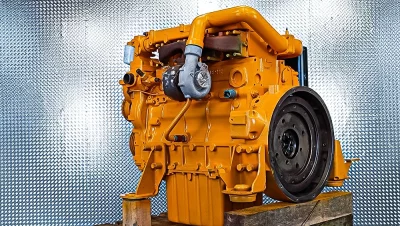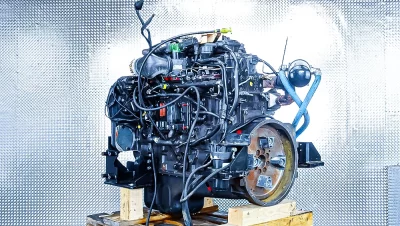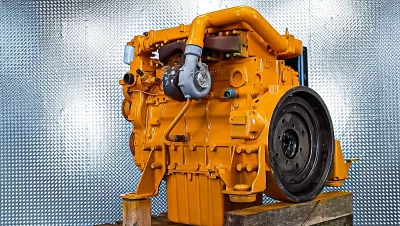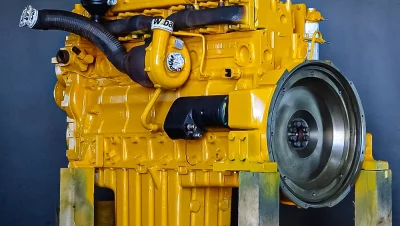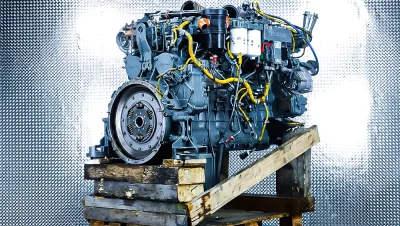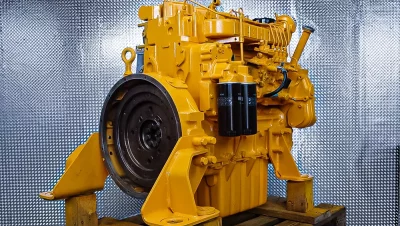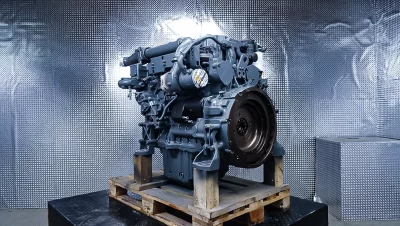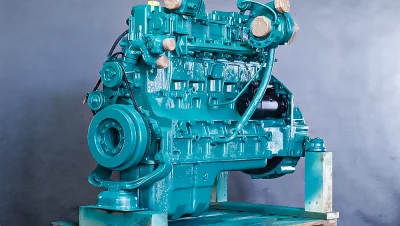


Overhaul of Cummins QSB 4.5 Engine in Hyundai R180LC-9 Crawler Excavator
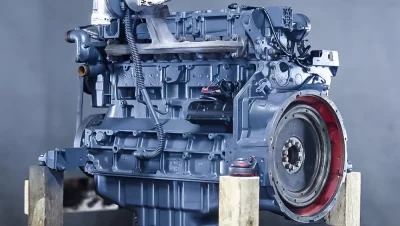
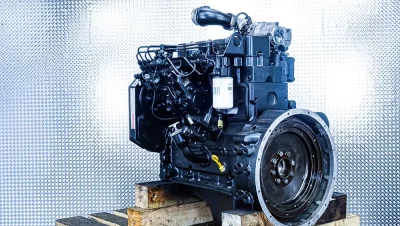
The Hyundai R180LC-9 crawler excavator is a versatile machine used in earthworks, infrastructure construction, and municipal works. This model is highly valued for its hydraulic system efficiency, control precision, and reliability during long working hours. It is powered by the Cummins QSB 4.5 engine – a four-cylinder, 4.5-liter diesel unit equipped with an electronic control system and turbocharging. This design was engineered for construction machinery operating under the harshest conditions and features high torque even at low engine speeds.
An engine from an excavator operating near Katowice was delivered to our company, WIBAKO. Our service technicians had previously performed diagnostics directly at the customer's site. The operator reported a gradual loss of power, increased oil consumption, and heavy smoke when working under load. In the first stage, we measured compression pressure, analyzed the unit's operating parameters, and inspected the intake system. Next, a cylinder leak test and an endoscopic inspection of the combustion chambers were conducted. The results clearly indicated significant wear on the cylinders and pistons, which led to the decision to perform a comprehensive engine overhaul.
Disassembly of the Cummins QSB 4.5 Engine from the Hyundai R180LC-9 Excavator
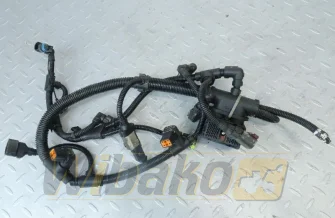
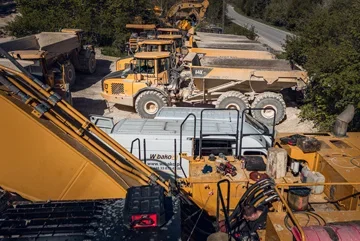
The disassembly was carried out by our mobile service team directly at the customer's site. In accordance with the standard procedure, a crane provided by the machine owner was utilized. The mechanics disconnected the electrical wiring, fuel lines, cooling system, intake and exhaust ducts, and all auxiliary components that hindered the removal of the power unit. Every connector was labeled, and open lines were secured against contamination.
After unscrewing the engine mounts and the clutch, the unit was safely removed from the engine compartment and transported to our headquarters in Kojszówka. Thanks to proper securing during transport, all auxiliary components could later be thoroughly verified.
Engine Verification in the Workshop
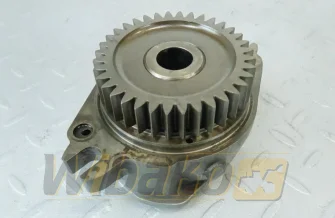
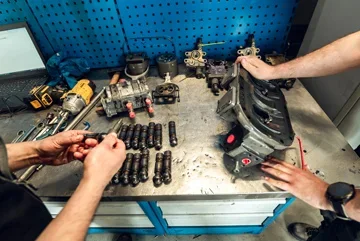
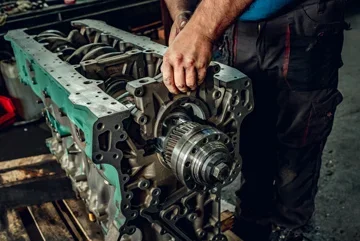
After the engine was delivered, we began a full verification process. The unit was stripped down to the last bolt, and all parts were cleaned in specialized industrial washers. We inspected the crankshaft, connecting rods, pistons, cylinder liners, camshaft, cylinder head, turbocharger, and the fuel system.
The initial diagnosis was confirmed. The cylinder liners showed significant wear, the piston rings had lost their sealing capacity, and the pistons bore signs of overheating resulting from long-term operation. The crankshaft was measured, and its runout and the condition of the oil galleries were checked. The cylinder head underwent a leak test in a heated water bath, while the injection pump and injectors were sent for specialized laboratory testing.
Engine Regeneration and Repair
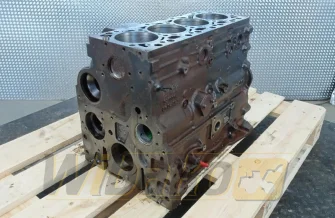
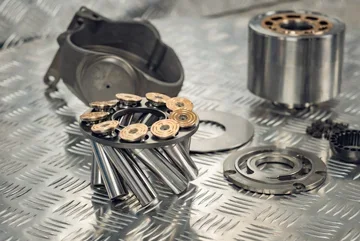
The scope of the overhaul included a complete rebuild of the crank-piston system. The crankshaft was ground, and new main and connecting rod bearings, new cylinder liners, pistons, and a complete set of piston rings were installed. The connecting rods were verified for correct geometry and weight.
The cylinder head underwent a full regeneration, including surface planing, replacement of valve guides, valves, and stem seals. Upon completion of the work, a second leak test was performed.
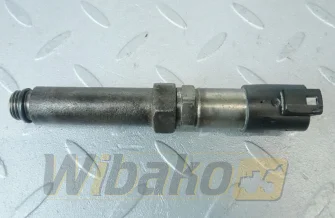
The fuel system was tested on calibration benches. The parameters of the high-pressure pump and injectors were verified. The turbocharger was checked for radial and axial play, and the alternator, starter motor, and other auxiliary components were inspected before reassembly.
After all repairs were completed, the engine was assembled according to the manufacturer's technical documentation. All tightening torques were checked using certified torque wrenches, and each stage of assembly was documented.
Testing on the Engine Dynamometer
One of the most important stages carried out by WIBAKO is testing every overhauled engine on an engine dynamometer (dyno). Thanks to this, the customer receives a unit verified before installation in the machine, which significantly reduces the risk of repeated disassembly. Only a small number of companies specializing in construction machinery engine overhauls possess this type of test bench.
The Cummins QSB 4.5 engine was started on the test bench and operated for over 16 hours at a load of approximately 20-30% of its nominal value. During this time, we monitored coolant temperature, oil pressure, fuel system parameters, RPM stability, and the tightness of all systems. After the break-in stage, the load was gradually increased up to nominal values. Multiple RPM changes and dynamic loads were applied to verify the unit's behavior under conditions corresponding to the actual operation of the excavator.
During the tests, the electronic parameters of the engine control unit (ECU), response to sudden load changes, exhaust gas temperature, and turbocharger stability were also monitored. The tightness of the cooling, lubrication, and air intake systems was verified. After all tests were completed, a final filter inspection and analysis of the unit's performance were conducted. Only after achieving correct parameters was the engine approved for installation in the machine.
Installation of the Engine in the Hyundai R180LC-9 Excavator
Following the completion of the dyno tests, our mechanics returned to the customer. Using the crane provided by the machine owner, the engine was carefully lowered into the engine compartment. All mounting elements were installed in accordance with the manufacturer's documentation, and necessary seals and consumable parts were replaced.
Next, the fuel system, cooling system, intake and exhaust ducts, electrical wiring, and the hydraulic system interacting with the power unit were connected. Particular attention was paid to the tightness of all connections and the correct routing of hoses and cables. Prior to the first start-up, the filters and engine oil were replaced, and the fuel system was bled.
The first start-up took place in the presence of the machine operator. Together, we performed a series of operational tests including idling, increasing the hydraulic load, driving, and executing full excavator working cycles. After confirming proper engine operation, the absence of leaks, and obtaining all required parameters, the installation completion protocol was signed.
Post-Overhaul Engine Maintenance
Every engine overhauled by WIBAKO is covered by a warranty. We recommend performing the first service after 50 operating hours. During this visit, our technicians replace the filters, check the oil level, inspect the tightness of all connections, and evaluate the engine's integration with the machine's hydraulic system. We recommend subsequent inspections every 250 operating hours, but no less frequently than once every three months.
Machines Utilizing the Cummins QSB 4.5 Engine
The Cummins QSB 4.5 engine is utilized in many construction, road, and industrial machines. This unit is installed in crawler excavators, wheel loaders, road rollers, motor graders, and other machines requiring a durable and economical diesel engine. Due to the high popularity of this model, we provide comprehensive servicing, major overhauls, and routine repairs for these units.
Summary
The comprehensive overhaul of the Cummins QSB 4.5 engine in the Hyundai R180LC-9 crawler excavator restored the machine's full efficiency and operating parameters. Thanks to precise diagnostics, professional regeneration of all key components, mandatory engine dynamometer testing, and correct installation, the customer received a unit ready for many years of operation. An additional advantage is WIBAKO's ability to perform mobile disassembly, installation, and subsequent maintenance service directly at the customer's site.
Related Services
Cummins Engine Overhauls
Hyundai Crawler Excavator Service
Engine Dynamometer for Construction Machinery Engines
Mobile Disassembly and Installation of Engines
Overhaul of Cummins QSB 4.5 Engine in Hyundai R180LC-9 Excavator
Need a Cummins QSB 4.5 engine repair or Hyundai R180LC-9 crawler excavator service? Contact WIBAKO – we perform comprehensive engine overhauls, mobile disassembly and installation, and engine dynamometer testing.