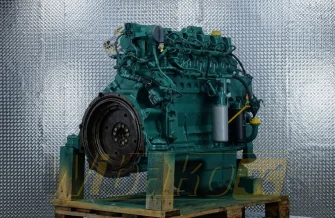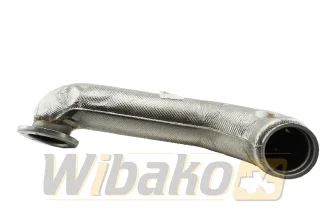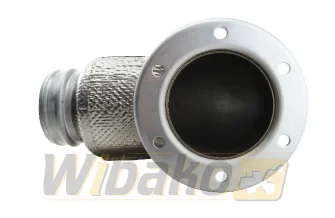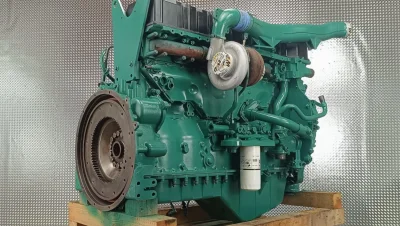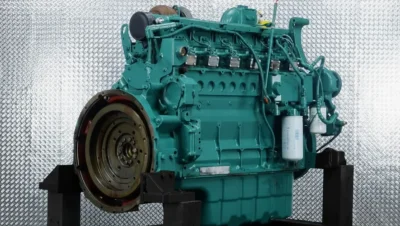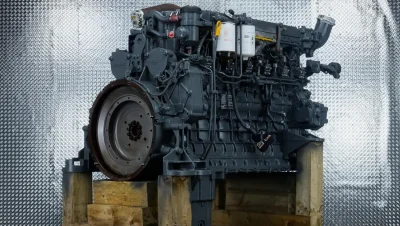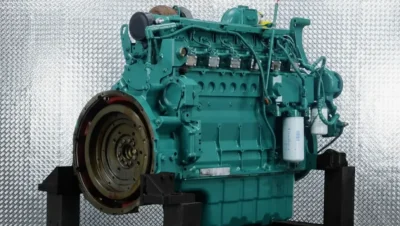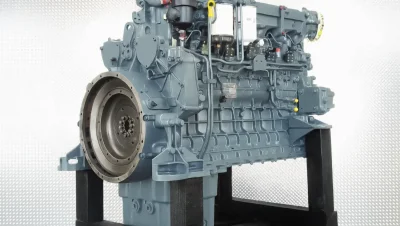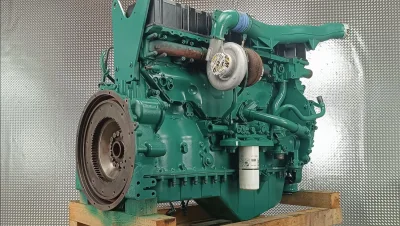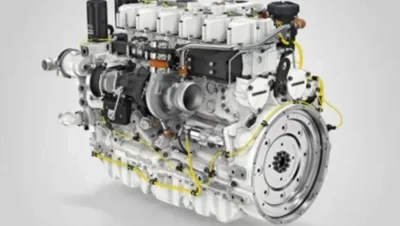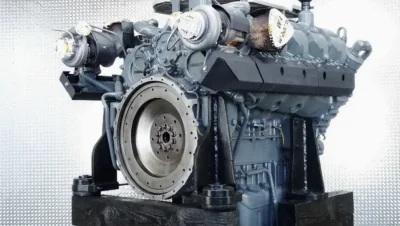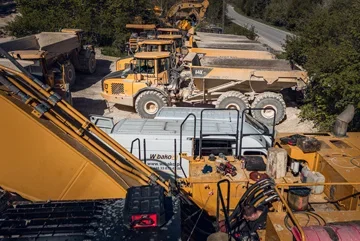


Engine overhaul of Deutz TCD2013 L06 2V in Dynapac F141W/D paver (code 634)
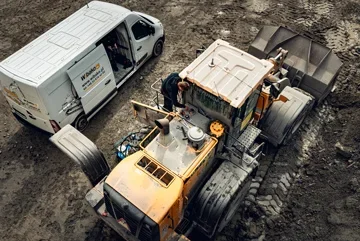
The Dynapac F141W/D paver (code 634) is one of the more versatile and valued road machines used in the construction and modernization of asphalt surfaces. The wheeled variant provides high mobility on the construction site, precise control of the feed, and stability necessary to achieve an even layer of asphalt. In this article, we describe a comprehensive overhaul of the Deutz TCD2013 L06 2V engine, which came to us for service after diagnostics performed on a machine operating in the Silesian Voivodeship, near Katowice. Our mobile service conducted a local inspection and safe disassembly of the unit, after which the engine was transported to our main headquarters in Kojszówka.
The machine manufacturer – Dynapac – has been specializing in solutions for bituminous works for years, and models from the F series are distinguished by their durability and the ability to work precisely even in difficult weather conditions. The Deutz TCD2013 L06 2V engine, on the other hand, is a proven 6-cylinder diesel unit, valued for its stable performance, fuel efficiency, and ease of servicing. The combination of these two brands translates into high efficiency in asphalt laying, which is why any failure of the power unit requires detailed and professional service – which WIBAKO provides.
Preliminary diagnostics and cause of failure
In the Dynapac F141W/D paver, the operator had noticed a decrease in power, increased smoking, and uneven operation at low RPMs for some time. Preliminary measurements taken by our mobile service indicated reduced compression pressure values. Based on the observations, it was decided that the suspicion concerned wear of the cylinders and pistons, which is a typical scenario for engines with high mileage and intensive operation in high temperatures during asphalt works.
The diagnostics were conducted in two stages.
Basic diagnostics: compression measurement on a cold and warm engine, smoke analysis, oil pressure test, cooling system inspection. The measurement showed two sections of cylinders with results 30-35% below nominal values.
Advanced diagnostics: tests for cylinder tightness and endoscopic examination were performed, confirming excessive wear of the sleeves and noticeable scratches on the surface of the cylinder walls.
Disassembly of the engine from the Dynapac F141W/D paver
After confirming the damage, our mobile service conducted a professional disassembly of the unit. According to the procedure, the engine was removed from the compartment using a crane provided by the client. The operation required securing the cooling system hoses, intake installation, and accessories such as the alternator, starter, and auxiliary pumps.
All connections were carefully labeled and secured to ensure that the later assembly would proceed without issues. After disconnecting the fuel and electrical hoses and removing elements that could hinder safe transport, the engine was placed on a special frame and transported to our main workshop in Kojszówka.
Verification of the Deutz TCD2013 L06 2V engine in the workshop
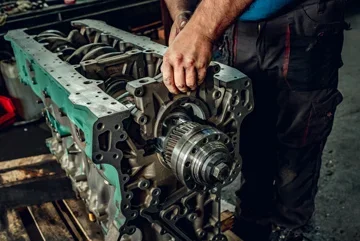
After disassembling the unit into its components, the initial suspicions were confirmed. The cylinder sleeves showed clear signs of wear: scratches, micro-cracks, and increased clearances between the piston and the cylinder wall. Additionally, the connecting rod bearings also required replacement due to wear on the working surface.
The following were also verified:
- crankshaft – measurement of journals, measurement of runout, and inspection of oil channels, - camshaft – measurements of lobes and journals, - connecting rods – examination of twisting, weight, and condition of bolts, - cylinder head – leak test, inspection of seats, guides, and surface for planing, - turbocharger – verification of axial and radial play.
In the case of the fuel system, the injection pump was sent to an external, certified facility for testing and regeneration. The injectors also underwent a full examination on the test bench.
Repair and regeneration process
Crankshaft and piston system
Due to significant wear of the sleeves, it was necessary to replace them with new components. The pistons were replaced with new ones, and the rings were selected according to the dimensions after machining the block. The main and connecting rod bearings were replaced as a complete set. The crankshaft was ground and then underwent final measurement and inspection of the oil channels.
Engine head
The head underwent complete regeneration, including planing, replacement of valve guides, installation of new valves, and a leak test in a water bath with compressed air. This restored full tightness to the combustion chamber.
Fuel system
After regeneration, the injection pump returned to us with a complete protocol from the external service. The injectors were cleaned, tested, and calibrated. The entire fuel supply system was prepared for reassembly while maintaining the cleanliness required for Common Rail systems.
Accessories
The turbocharger required regeneration of the rotor and replacement of bearings. The alternator and starter underwent cleaning, inspection, and electromechanical testing. All oil, water, and air hoses were replaced with new ones due to the age of the machine.
Professional engine assembly
The assembly of the engine took place in controlled conditions. The mechanics used the manufacturer's documentation, torque specifications for bolts, and measuring tools to set the valve clearances and synchronize the systems. Before closing the unit, a leak test of the oil and cooling systems was conducted using a pressure tester.
Engine dynamometer test – over 300 words description
The Deutz TCD2013 L06 2V engine after the overhaul was placed on our modern engine dynamometer, which is one of WIBAKO's greatest assets. Having our own dynamometer allows us not only to start the unit in controlled conditions but also to conduct a full testing cycle involving dynamic and static loads as well as multiple passes through the working ranges.
The test began with a preliminary running-in stage of the engine under a light load of 20-30% of nominal values. During the first 16 hours, the following were monitored: oil pressure, coolant temperature, uniformity of cylinder operation, and vibration levels. Thanks to the dynamometer, we can also precisely analyze fuel consumption and injection timing, which allows us to catch even minor deviations from the norm.
After successfully completing the running-in phase, maximum load tests were conducted. The engine was repeatedly loaded to nominal values, and then rapid unloading was performed to assess the stability of idle RPMs and the response to quick changes in operating parameters. All tests were conducted at controlled temperatures, ensuring that the results are repeatable and independent of external conditions.
The dynamometer confirmed the full functionality of the engine and the achievement of parameters consistent with the manufacturer's catalog. After the test, the unit was dried, prepared for assembly, and secured for transport to the client.
Engine installation in the Dynapac F141W/D paver – description min. 300 words
The engine returned to the machine near Katowice, where our mobile service conducted a comprehensive installation. This process included not only placing the unit in the compartment but also detailed preparation of all cooperating systems.
After placing the engine on the mounts, the assembly of the clutch, air hoses, and intake system began. A complete set of rubber and metal hoses was replaced, which were already in a deteriorated condition due to the operating temperatures of the asphalt paver. At this stage, it was crucial to maintain full cleanliness when connecting the fuel system – each hose was rinsed and blown out to prevent contamination.
After connecting the electrical harnesses, a pressure leak test of the cooling system was performed, along with preliminary bleeding of the system. Similar actions were taken in the oil system. Each connection was checked for micro-leaks and then marked for verification after the first hours of machine operation.
After completing the assembly, a trial start was conducted in the presence of the operator. The Dynapac F141W/D paver underwent a series of functional tests: response to load, stability of feed, and uniformity of operation under varying mixture feed parameters. All tests were successful, allowing for the signing of the assembly acceptance protocol.
Information about the application of the Deutz TCD2013 L06 2V engine
This engine is found in many machines from brands: Atlas, Terex Fuchs, Liebherr, JCB, Manitou, Sennebogen, O&K, and others. Its popularity stems from a good power-to-fuel consumption ratio, durability, and easy access to parts.
Summary
The comprehensive overhaul of the Deutz TCD2013 L06 2V engine restored full functionality to the Dynapac F141W/D paver, ensuring its readiness for further intensive work. The client received the engine with a full warranty and a service manual. We recommend the first filter change after 50 operating hours – our mobile service will perform this inspection on-site, also checking connections and the tightness of the systems.
Deutz engine service
Contact us if your machine requires repair or regeneration of the engine. We offer comprehensive service, engine dynamometer testing, and mobile service team visits throughout Poland.