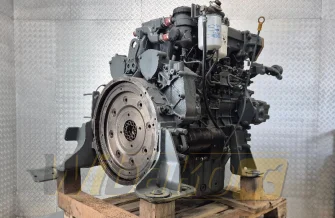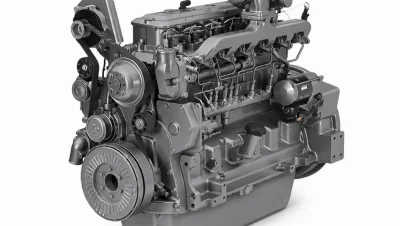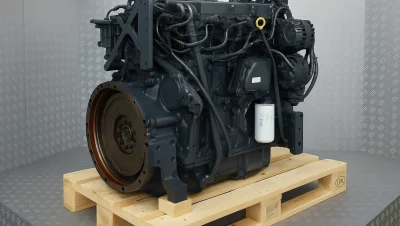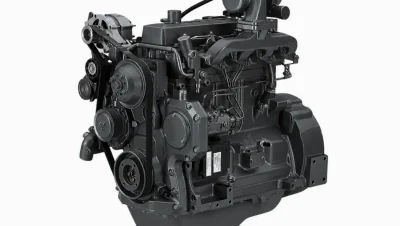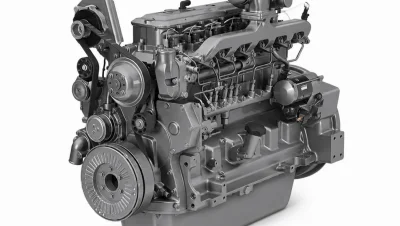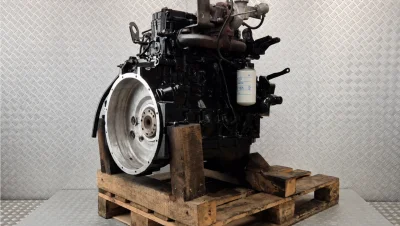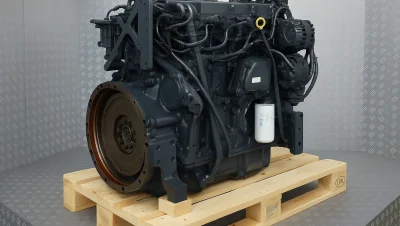


Liebherr D934 A7 engine overhaul in a Liebherr PR 736 crawler dozer - comprehensive service and dyno testing
Liebherr PR 736 dozer and D934 A7 engine - an efficient combination for heavy earthworks
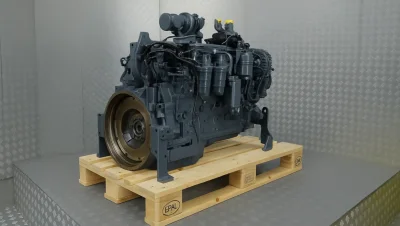
A Liebherr D934 A7 engine, removed from a Liebherr PR 736 crawler dozer, was delivered to our service center. This machine belongs to a group of modern dozers used in road construction, earthworks, land reclamation, and investment site preparation. The PR 736 model is equipped with a hydrostatic drive system and a Liebherr D934 A7 diesel engine with a displacement of approximately 7 liters and an output of around 150 kW. This design was engineered for high efficiency while reducing fuel consumption.
The machine manufacturer, Liebherr, has been developing its own solutions for both construction machinery and power units for many years. As a result, the D934 A7 engine is exceptionally well integrated with the operating systems of the PR 736 dozer. Despite the high durability of the power unit, intensive operation in difficult terrain conditions inevitably leads to natural wear and tear of components over time.
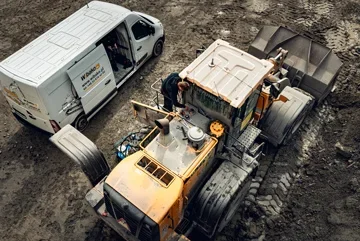
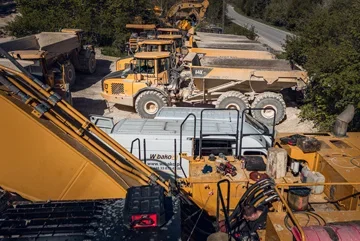
In this case, the user reported a gradual loss of power, increased engine oil consumption, and noticeable exhaust smoke under load. The machine had been working for many years on heavy earthworks around Kielce in the Świętokrzyskie Voivodeship. Our mobile service conducted initial diagnostics directly at the customer's site, and then organized the engine removal and transport of the unit to our facility in Kojszówka.
Initial diagnostics of the Liebherr D934 A7 engine
The first stage involved a detailed diagnosis of the engine while it was still installed in the machine. The operator reported a gradual drop in performance during material pushing and increased fuel consumption. Additionally, a characteristic blue smoke appeared when starting the cold engine.
Our technicians began the diagnostics by checking the operating parameters and service history. Next, they measured the oil pressure, evaluated the fuel system performance, and measured compression pressure. The results indicated uneven compression values between the cylinders.
To confirm these suspicions, a cylinder leakage test and an endoscopic inspection of the combustion chambers were additionally performed. The tests revealed signs of wear on the cylinder surfaces and increased blow-by into the crankcase. Based on the measurements taken, the decision was made to perform a complete overhaul of the power unit.
Engine disassembly from the Liebherr PR 736 dozer
After establishing the scope of repair, our mechanics proceeded with the engine disassembly. The work was performed at the customer's site using a crane provided by the machine owner. The disassembly began with securing the electrical systems and disconnecting the batteries.
Next, the cooling and lubrication systems were drained. Fuel lines, hydraulic lines interacting with engine accessories, electrical wiring, intake lines, and the exhaust system were disconnected. Special attention was paid to protecting all connections from contaminants that could enter the systems.
After removing the auxiliary components, the engine mounts and coupling elements connecting the power unit to the drivetrain were unscrewed. Once all preparatory tasks were complete, the engine was safely lifted from the machine compartment and prepared for transport to our repair facility.
Engine evaluation in the workshop
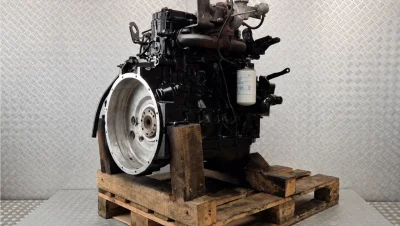
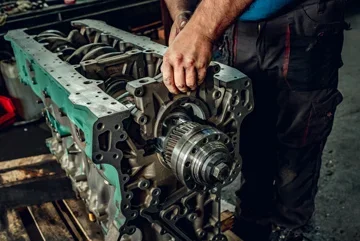
Upon delivery of the Liebherr D934 A7 engine to Kojszówka, a full technical evaluation was initiated. The first stage involved checking the crankshaft rotation capability and taking photographic documentation of all components prior to teardown.
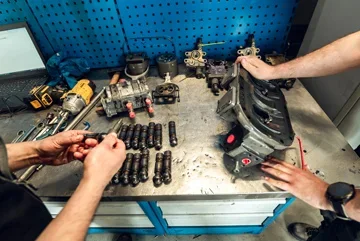
After disassembling the engine into parts, the initial assumptions regarding the wear of the crank-piston assembly were confirmed. The cylinder liners showed clear signs of wear, and the piston rings had lost part of their sealing properties. Deposits characteristic of long-term operation with reduced combustion chamber sealing were visible on the piston crowns.
A crankshaft evaluation was also carried out, including measuring the main and rod journals, inspecting the oil passages, and measuring runout. The shaft qualified for regeneration. Connecting rods were also checked for twist, bending, and any signs of overheating.
The cylinder head underwent a pressure test in a heated water bath. Additionally, valve seats, guides, and the mating surface were inspected. The camshaft, turbocharger, and fuel system components were also checked.
Regeneration of the crank-piston assembly
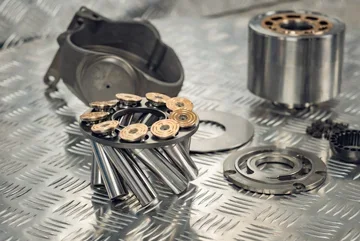
The scope of the overhaul included a comprehensive rebuild of the crank-piston assembly. The crankshaft was ground according to the manufacturer's technical documentation. After machining, a check of all dimensions and balancing was performed.
New main and rod bearings, a set of pistons, piston rings, and cylinder liners were installed. All components were assembled according to the manufacturer's procedures, using appropriate tightening torques and checking installation clearances.
Before final assembly, a thorough cleaning of the engine block and all oil passages was performed. This eliminated any contaminants that could negatively affect the durability of the rebuilt unit.
Regeneration of the Liebherr D934 A7 engine head
During the overhaul, a full regeneration of the cylinder head was also performed. The process included resurfacing the mating face, replacing valve guides, and installing new valves. Machining of the valve seats and a post-work leakage test were also carried out.
Following the regeneration, the head was re-tested for leaks. Only after obtaining correct results was it routed for final assembly.
Repair of the fuel system and accessories
The fuel system was thoroughly verified. The injectors were tested on a test bench. The injection pump was sent to a specialized workshop dealing with the remanufacturing of injection systems.
The turbocharger underwent an inspection of radial and axial clearances. Wear components affecting the tightness of the boost system were replaced. Additionally, the alternator, starter, electrical system, and sensors cooperating with the engine control system were checked.
Professional assembly of the engine after overhaul
After completing all regeneration work, we proceeded with reassembling the power unit. The assembly was performed by experienced mechanics specializing in Liebherr engines used in construction machinery.
Every stage of assembly was documented. Particular attention was paid to correct timing setup, clearance control, and proper lubrication of components during assembly. All seals were replaced with new ones. New filters and consumables were also used.
After assembly was complete, initial tests of the lubrication system and leakage checks were performed. Thanks to this, it was possible to eliminate potential irregularities even before starting the engine.
Before preparing the engine for the dyno, service hoses were also replaced, and the cooling system ports and intake connections were inspected. All threads were verified for correct torque. Such actions help reduce the risk of failure once the engine is started inside the machine.
Testing the Liebherr D934 A7 engine on an engine dynamometer
One of the most important stages of the entire process was the test on our engine dynamometer (dyno). This is a solution that sets WIBAKO apart from many companies repairing construction machinery engines. Thanks to the dyno, we can test the engine before its installation in the machine, which significantly reduces the risk of problems during startup at the customer's location.
After assembly was completed, the engine was mounted on the test stand. First, the startup procedure and a check of basic operating parameters were performed. Monitor values such as oil pressure, coolant temperature, exhaust gas temperature, boost pressure, and operational stability across various RPM ranges were observed.
The next stage was a multi-hour break-in run. For over 16 engine hours, the engine operated under a load of approximately 20-30% of its nominal value. During this time, the behavior of all components was monitored, and operating parameters recorded by the measuring equipment were analyzed.
Following the break-in stage, a series of full-load tests began. The engine was repeatedly loaded across different RPM ranges. This allowed us to verify the achieved power, torque, and the stability of operating parameters.
During the tests, the tightness of all systems was also analyzed. Oil, fuel, cooling, and intake lines were inspected. Any irregularities can be detected before sending the engine back to the customer, which significantly increases operational safety.
The dyno also enables evaluation of the turbocharger and injection system performance under real load conditions. This allows us to verify parameters that are impossible to check during a simple engine startup on a workshop stand.
After all tests are completed, a report containing the key operating parameters of the unit is generated. The customer receives confirmation that the engine has passed full testing before being installed in the machine. This is particularly crucial for machines like the Liebherr PR 736, which often work for a dozen or more hours a day in highly demanding conditions.
Thanks to using a dynamometer, we are able to significantly reduce the risk of downtime after an overhaul. The ability to fully test the engine under load is one of the greatest advantages of our Liebherr diesel engine service offering.
Engine installation in the Liebherr PR 736 dozer
Following the successful completion of tests, the engine was transported to the customer. Our mobile service carried out the installation of the power unit in the Liebherr PR 736 dozer. Just as during disassembly, a crane provided by the machine owner was utilized.
The installation process included precise positioning of the engine in the compartment, mounting the brackets, connecting the drivetrain, and all auxiliary systems. Special attention was paid to the correct routing of fuel, electrical, and cooling system lines.
After assembly was finalized, operational filters were replaced, systems were bled, and a series of functional tests were performed. Next, the first startup was conducted in the presence of the machine operator. Operating parameters were monitored during driving, maneuvering, and executing work tasks.
Additionally, a leak check was conducted on all connections, and the intake system, exhaust connections, and accessory mountings were verified. Upon completion of the trials, an installation report was drawn up confirming the correct operation of the engine.
Engine maintenance after overhaul
Every engine after an overhaul is covered by a warranty. We recommend performing the first service check after 50 engine hours of operation. During this visit, our mechanics replace the filters, inspect the condition of connections, and verify the unit's operating parameters.
Subsequent service inspections are carried out every 250 engine hours, but no less frequently than every three months. Regular maintenance allows maintaining high engine reliability and extending its service life.
Machines utilizing the Liebherr D934 A7 engine
The Liebherr D934 A7 engine is used in many construction and industrial machines from the manufacturer Liebherr. It can be found, among others, in crawler dozers, wheel loaders, material handlers, and other specialized machinery operating under heavy duty conditions.
Summary
The comprehensive overhaul of the Liebherr D934 A7 engine used in the Liebherr PR 736 crawler dozer included full diagnostics, disassembly, evaluation of all components, regeneration of the crank-piston assembly, cylinder head repair, fuel system inspection, engine dynamometer testing, and professional installation in the machine.
Thanks to the work performed, the customer received a fully functional power unit ready for years of operation. Additional protection is provided by the planned 50-hour inspection carried out by our mobile service.
Related services:
Liebherr engine overhauls
Crawler dozer service
Construction machinery engine repair
WIBAKO engine dynamometer
Liebherr D934 A7 engine overhaul
Do you need a Liebherr D934 A7 engine overhaul or service for a Liebherr PR 736 crawler dozer? WIBAKO performs comprehensive repairs, rebuilds, and testing on an engine dynamometer prior to installation.