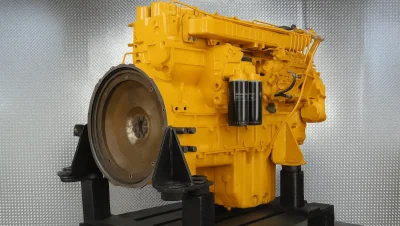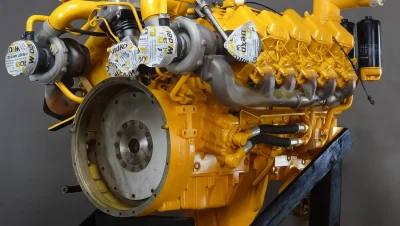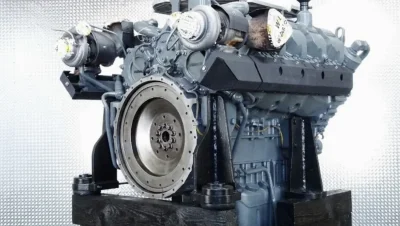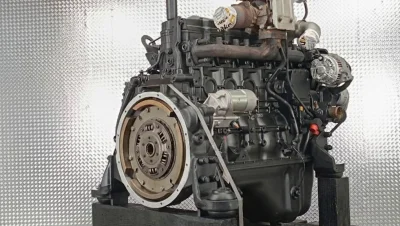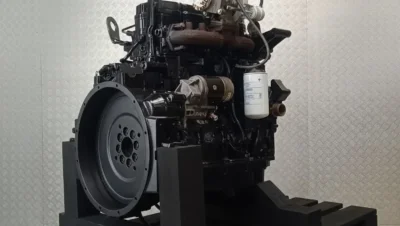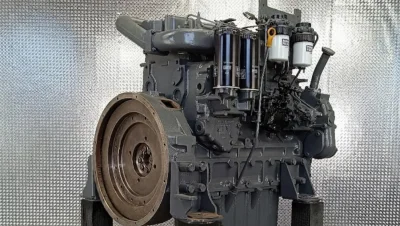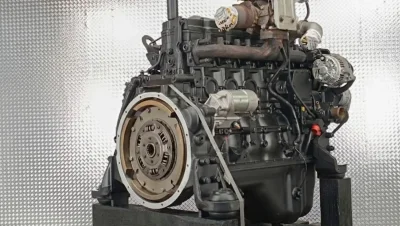


Cummins QSB 4.5 Engine Overhaul in New Holland E175B Crawler Excavator
Comprehensive Service of the New Holland E175B Crawler Excavator
The New Holland E175B crawler excavator is a machine used in earthmoving, infrastructure construction, and site preparation for investments. Thanks to an appropriately selected operating weight and an efficient hydraulic system, this model is used both on large construction sites and during smaller road and industrial projects.
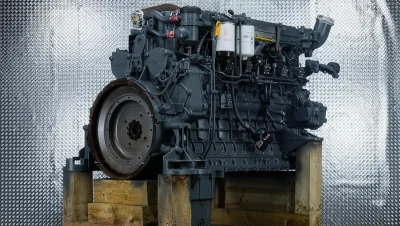
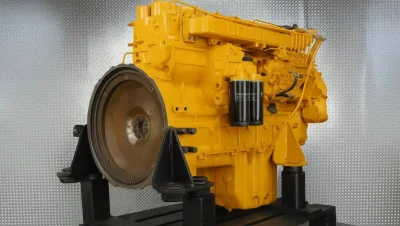
The power unit used in this machine is the Cummins QSB 4.5 engine. It is a four-cylinder, turbocharged 4.5-liter diesel engine equipped with an electronic control system and a modern common rail injection system. Engines in this series are valued for their high durability, low fuel consumption, and high operational flexibility under demanding conditions. The power of QSB 4.5 units used in construction machinery typically ranges from about 110 to 170 HP, depending on the machine manufacturer's configuration. :contentReference[oaicite:0]{index=0}
The owner of a New Holland E175B excavator operating near Kielce contacted our service center. For a long time, the operators had observed increased engine oil consumption, a drop in power under load, and heavy smoke from the exhaust. The symptoms pointed to cylinder and piston wear, so a decision was made to carry out a detailed diagnostic of the power unit.
Our mobile service carried out an initial inspection of the machine at the customer's site. Compression pressure measurement, analysis of engine operating parameters, and an inspection of the intake system were performed. Additionally, an endoscopic examination of the combustion chambers was conducted. The results confirmed the suspicion of excessive wear in the crank-piston system. The decision was made to dismantle the engine and transport it to our headquarters in Kojszówka.
Dismantling the Cummins QSB 4.5 Engine from the New Holland E175B Excavator
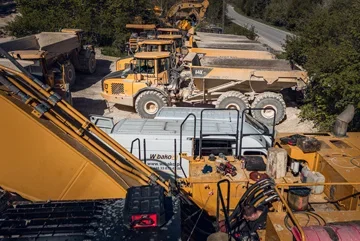
The engine disassembly was performed by our mechanics directly on the construction site. The customer provided the crane necessary to safely remove the power unit from the engine compartment. Work began by securing the machine and disconnecting the batteries and electrical system.
Next, the cooling system lines, fuel lines, engine control electrical system, and the intake system including charge air pipes were disconnected. Particular attention was paid to protecting all connections against contamination during transport.
The next stage involved disconnecting the hydraulic pump, mounting brackets, exhaust system components, and other auxiliary equipment interacting with the engine. After removing all connections, the unit was suspended and lifted out of the machine. Once loaded onto the service vehicle, the engine was transported to the WIBAKO workshop, where detailed verification began.
Engine Verification in the Workshop
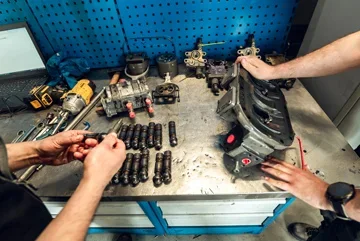
After delivering the Cummins QSB 4.5 engine to the workshop, the detailed diagnostic process began. First, a crankshaft rotation test and an initial assessment of the component condition were carried out. Then, the engine was completely stripped down to individual parts.
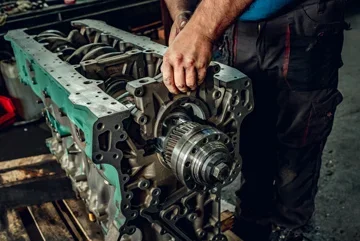
After cleaning the components, measurements of all key subassemblies were carried out. Significant wear of the cylinder liners, piston rings, and the pistons themselves was confirmed. Traces of long-term operation were visible on the cylinder surfaces, causing a loss of combustion chamber tightness and a drop in compression.
A verification of the crankshaft was also performed, including measuring the main and connecting rod journals, checking oil passages, and inspecting shaft runout. Connecting rods were verified for twisting, bending, and any signs of overheating. Additionally, the camshaft, turbocharger, and injection system were checked.
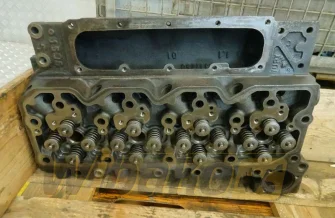
The cylinder head underwent a leak test in a water bath and an inspection of the valve seats. No cracks were found, but the level of component wear qualified the cylinder head for a full refurbishment.
Crank-Piston System Repair
During the overhaul, a comprehensive rebuild of the crank-piston system was carried out. The engine block was prepared for the installation of new cylinder liners. New pistons, piston rings, and a set of main and connecting rod bearings were installed.
The crankshaft was measured and, after confirming it was fit for further operation, it was ground. Following the machining process, appropriately selected undersize repair bearings matching the obtained dimensions were applied.
The connecting rods were also verified. After performing geometry measurements and inspecting the rod bolts, the components were prepared for reassembly. All parts were assembled in accordance with the manufacturer's service documentation.
Regeneration of the Cylinder Head and Fuel System
Regeneration of the cylinder head included resurfacing the mating face, replacing valve guides, valves, and valve stem seals. After completing the work, a re-leak test was performed, confirming the correct condition of the cylinder head.
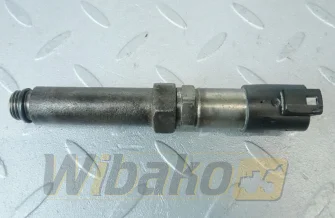
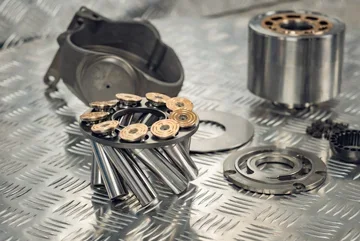
The injection system was sent for specialized testing. The injectors were checked on a test bench, where fuel spray parameters and opening pressure were evaluated. Any components not meeting the manufacturer's parameters were replaced or refurbished.
The high-pressure pump was verified by a specialized workshop dealing with fuel system regeneration. Upon completion of the work, the entire system was prepared for reassembly.
Engine Ancillary Components Repair
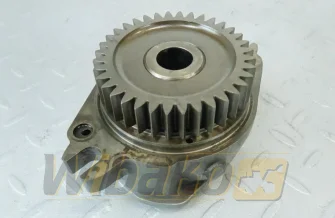
As part of the overhaul, the ancillary components were also inspected. The turbocharger was checked for axial and radial play. The condition of the rotor and the tightness of the lubrication system were also verified.
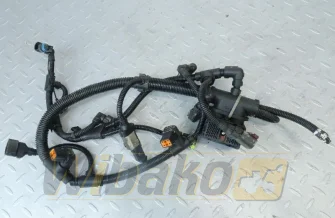
The alternator, starter motor, electronic sensors, and electrical system components responsible for engine management were inspected. Worn hoses and seals of the intake and cooling systems were replaced.
Professional Engine Assembly
Following the completion of all refurbishment work, precise assembly of the engine began. Each element was mounted in accordance with Cummins technical documentation and procedures applied by WIBAKO. Special attention was paid to maintaining correct bolt tightening torques and checking assembly clearances.
During assembly of the unit, new gaskets, seals, service fluids, and a complete set of filters were installed. All oil passages were cleaned and blown out. The lubrication system was prepared for the first start by pre-priming oil pressure.
After assembly was complete, leak testing of the cooling system, fuel system, and air intake was performed. The correct operation of all electronic sensors and engine control elements was verified.
Thanks to this approach, it was possible to prepare the unit for multiple hours of load testing on the engine dynamometer.
Engine Test on the Dynamometer
One of the most important stages of the entire process was monitoring the operation of the Cummins QSB 4.5 engine on our engine dynamometer. This solution provides a huge advantage over standard repairs carried out without the ability to fully load the power unit before its installation in the machine.
After assembly, the engine was equipped with the necessary measuring equipment monitoring temperatures, pressures, combustion parameters, and fuel system operation. Then, the break-in process of the unit began. For over 16 hours, the engine ran at a load of approximately 20-30% of its nominal value.
During this stage, we monitored the stability of oil pressure, coolant temperature, boost parameters, and the general engine refinement. All data was recorded and analyzed by our mechanics.
Following the completion of the first trial stage, multiple engine loadings across the full operating range were initiated. The dynamometer enables precise replication of the operating conditions occurring during the use of the New Holland E175B excavator. This makes it possible to check the behavior of the unit during sudden load increases, operation at high temperatures, and long-term maintenance of high power.
The fuel system parameters, turbocharger response, and stability of the electronic control system were also monitored. During testing, no leaks, pressure drops, or anomalies related to component operation were detected.
The engine dynamometer also allows for the early detection of possible assembly errors, ancillary issues, or anomalies occurring under heavy load. Thanks to this, the customer receives a power unit verified even before being installed in the machine. This is particularly important for construction machinery operating on contracts, where any unplanned breakdown means costly downtime.
After completing all trials, the engine achieved the required operating parameters and was approved for installation in the excavator.
Installing the Engine in the New Holland E175B Excavator
The ready engine was transported to the customer. Installation was carried out using a crane provided by the machine owner. The unit was seated in the engine compartment in compliance with all manufacturer requirements.
Mechanics connected the cooling, fuel, hydraulic, and electrical systems. Worn hoses, clamps, and fastening elements were replaced. Special attention was paid to the tightness of the intake system and charge air pipes.
Next, the first startup and a series of functional tests were performed. In the presence of the operator, the machine's reaction to hydraulic load, cooling system operation, and engine parameters during typical working operations were checked.
Following the tests, an installation report was drawn up, confirming correct engine operation and the machine's readiness for further use.
Where is the Cummins QSB 4.5 Engine Commonly Found?
The Cummins QSB 4.5 engine is used in many construction and industrial machines. It can be found, among others, in crawler excavators, wheel loaders, graders, road rollers, municipal machines, and industrial equipment from various manufacturers. Due to its durability and favorable power-to-weight ratio, it is one of the most popular power units in the off-highway machinery segment.
Engine Maintenance After Overhaul
Every engine leaving WIBAKO is covered by a warranty and the option for ongoing service support. After the first 50 operating hours, our mechanics perform a control inspection including filter replacement, connection leak checks, and an assessment of all subassemblies' performance.
We recommend performing subsequent inspections every 250 operating hours, but no less frequently than once every three months. Regular service helps maintain high unit reliability and maximizes its lifespan.
Summary
The comprehensive overhaul of the Cummins QSB 4.5 engine used in the New Holland E175B crawler excavator restored the full operating parameters of the power unit. As part of the repair, a complete engine verification, cylinder head regeneration, crank-piston system rebuild, fuel system inspection, and multi-hour tests on the engine dynamometer were performed.
Thanks to the use of the engine dynamometer, the customer received a proven engine ready for full-load operation. This solution significantly reduces the risk of unplanned downtime and allows verification of the repair quality before installation in the machine.
Learn more about our services: Cummins engine overhauls, crawler excavator service, engine dynamometer, construction machinery service.
Cummins QSB 4.5 Engine Overhaul in New Holland E175B
Do you need a professional repair of a Cummins QSB 4.5 engine or service for a New Holland E175B crawler excavator? WIBAKO performs comprehensive diesel engine overhauls along with engine dynamometer testing and installation at the customer's site.