Having trouble with your machine?
Low oil pressure is a signal that must not be ignored. Learn how to deal with it!
-
Phone
+48 33 870 42 00
Call us -
WhatsApp
+48 532 161 000
Message us on WhatsApp -
E-mail
biuro@wibako.pl
Send an email
Causes, diagnostics, and procedures
Low oil pressure in a diesel engine
The lubrication system is crucial for the proper operation of a diesel engine used in excavators, wheel loaders, bulldozers, road rollers, and other heavy machinery. One of the most important parameters monitored during power unit operation is engine oil pressure. If the message "Diesel engine has insufficient oil pressure" appears on the display, it means that the monitoring system has detected excessively low oil pressure or an abnormal signal regarding this parameter.
Such a warning should not be ignored. Insufficient pressure can lead to impaired lubrication of engine components, accelerated wear of parts, and, in extreme cases, severe engine failure. The first step should be to safely stop the machine and turn off the engine immediately. Next, determine the cause of the alarm before restarting the engine.
We explain
Why is proper oil pressure so important?
Engine oil creates a lubricating film between moving mechanical parts, reducing friction and wear. It also helps dissipate heat from certain components and keeps the inside of the engine clean.
The oil pump draws lubricant from the oil pan and pumps it through the lubrication system to points requiring proper oil delivery. These include crankshaft bearings, main bearings, valve train components, and—depending on engine design—other parts requiring pressurized lubrication.
If the pressure drops below the manufacturer's required value, the delivery of sufficient oil to individual components may be restricted. Consequently, the risk of overheating, surface damage, and engine seizure increases. Therefore, monitoring oil pressure is vital both during daily machine operation and during internal combustion engine fault diagnostics.
What does it mean?
"Diesel engine has insufficient oil pressure" message
A message indicating insufficient oil pressure means that the monitored lubrication parameter is not reaching the required level, or the measurement system is transmitting an incorrect signal. The exact meaning of the warning depends on the engine design, sensors used, and machine control system.
If the warning is accompanied by the recommendation "Switch off diesel engine immediately", shut down the engine immediately as soon as it is safe to do so. Do not continue working to see if the message disappears on its own.
The message itself does not clearly point to a single damaged component. The cause could be low oil level, a problem with the oil pump or another lubrication system component, or a faulty pressure sensor, wiring, or gauge. Diagnosis requires checking actual engine operating parameters.
No more power drops, smoking, and injection system failures
Most common causes of low oil pressure
1. Low engine oil level
An oil shortage can result from leaks, oil consumption during operation, or improper filling. An excessively low oil level can cause the oil pump to suck in air, leading to a pressure drop. Check the oil level, top up according to the manufacturer's recommendations, and determine the cause of the shortage.
2. Damaged oil pump
Wear or damage to the oil pump or pressure relief valve can restrict lubricant flow and lower pressure. It is necessary to inspect the system and measure operating parameters.
3. Contaminated oil filter or restricted flow
A clogged filter, blocked oil pickup screen, or flow restriction in the oil lines can disrupt the operation of the lubrication system. During diagnostics, check element permeability as well as filter and oil condition.
4. Mechanical engine wear
Excessive clearance on bearings and other engine components can cause a drop in oil pressure. Knocking and unusual operating noises can be warning signs. Confirming the cause requires a technical inspection of the engine.
5. Incorrect oil condition or viscosity
Oil of improper viscosity, contaminated oil, or oil diluted with fuel may not provide adequate lubrication conditions. Oil pressure should be evaluated taking operating temperature and manufacturer specifications into account.
6. Damaged oil pressure sensor
A false warning message can result from a failed sensor, faulty wiring, or a malfunctioning gauge. Before replacing the sensor, check the measuring system and verify actual oil pressure using a pressure gauge.
What is the difference?
Low oil pressure vs. low oil level
Oil level and oil pressure are two different parameters. Level indicates the amount of lubricant present in the oil pan, whereas pressure describes the conditions under which oil is pumped through the lubrication system.
An engine can have a correct oil level yet still display low oil pressure. This can indicate pump wear, issues with the relief valve, flow restrictions, or excessive internal clearances, among other things. On the other hand, a low oil level does not always mean pressure has already dropped, but it increases the risk of losing proper lubrication.
Therefore, checking the oil level is an important first step, but it does not replace pressure measurement and overall system diagnostics.
How to react?
What to do when a low oil pressure warning appears?
If an insufficient oil pressure message appears on the machine's display, follow these steps in order:
Safely stop the machine and turn off the engine. Do not continue working while an insufficient oil pressure warning is active.
Wait and check the oil level. Follow the manufacturer's instructions, taking into account the required machine position and measurement conditions.
Check for visible leaks. Pay attention to the area around the oil pan, filter, hoses, and other system components. Do not touch hot engine parts.
Top up the oil if the level is too low. Use oil meeting the specification required by the manufacturer. Do not exceed the maximum allowed level.
Do not restart the engine if the cause of the alarm has not been clarified. If the oil level is correct, the warning persists, or unusual noises occur, further diagnostics are necessary.
Have the lubrication system checked. In case of suspected actual pressure drop, perform measurements and establish the cause before returning the machine to service.
Know when to act
When is engine repair or overhaul necessary?
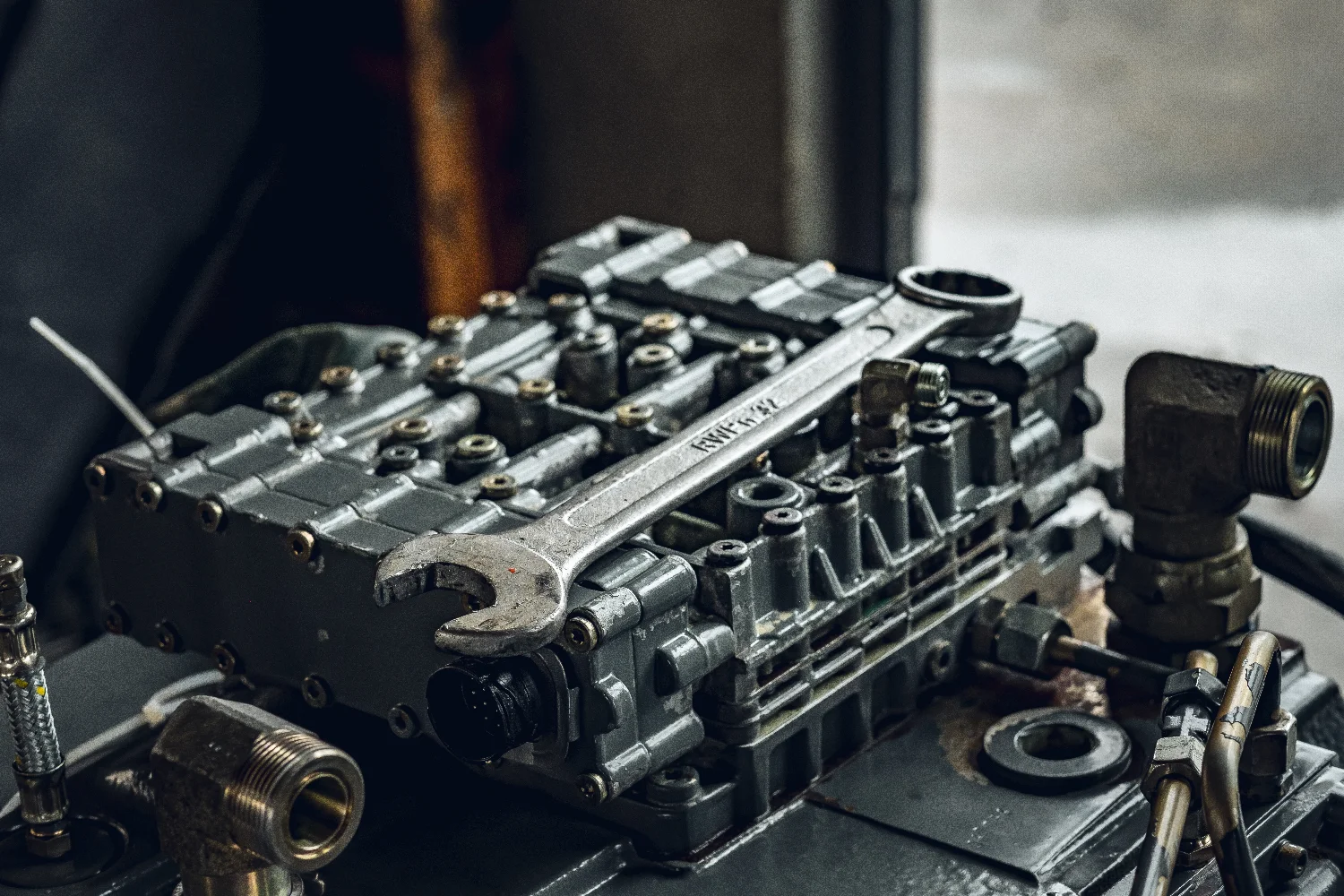
The scope of repair depends on the identified cause. If the problem stems from a faulty sensor or electrical connection, repairs may be limited to the measuring system. In the case of an improper oil level, it is necessary to top up the lubricant and determine the cause of the shortage.
If measurements confirm insufficient oil pump output, flow restriction, or excessive wear of internal components, repairing the relevant parts may be necessary. For an engine that operated for an extended period with insufficient pressure, it is also essential to assess whether damage occurred to main bearings, the crankshaft, or other parts requiring lubrication.
Not every case of low pressure means a full overhaul is required. The decision on the scope of work should stem from measurements, visual inspection, and assessment of the technical state of the unit. Proper diagnostics prevent both unnecessary replacement of functional parts and restarting an engine that still suffers from a dangerous fault.

No more power drops, smoking, and injection system failures
Most common causes of low oil pressure
1. Low engine oil level
An oil shortage can result from leaks, oil consumption during operation, or improper filling. An excessively low oil level can cause the oil pump to suck in air, leading to a pressure drop. Check the oil level, top up according to the manufacturer's recommendations, and determine the cause of the shortage.
2. Damaged oil pump
Wear or damage to the oil pump or pressure relief valve can restrict lubricant flow and lower pressure. It is necessary to inspect the system and measure operating parameters.
3. Contaminated oil filter or restricted flow
A clogged filter, blocked oil pickup screen, or flow restriction in the oil lines can disrupt the operation of the lubrication system. During diagnostics, check element permeability as well as filter and oil condition.
4. Mechanical engine wear
Excessive clearance on bearings and other engine components can cause a drop in oil pressure. Knocking and unusual operating noises can be warning signs. Confirming the cause requires a technical inspection of the engine.
5. Incorrect oil condition or viscosity
Oil of improper viscosity, contaminated oil, or oil diluted with fuel may not provide adequate lubrication conditions. Oil pressure should be evaluated taking operating temperature and manufacturer specifications into account.
6. Damaged oil pressure sensor
A false warning message can result from a failed sensor, faulty wiring, or a malfunctioning gauge. Before replacing the sensor, check the measuring system and verify actual oil pressure using a pressure gauge.
Know when to act
When is engine repair or overhaul necessary?
The scope of repair depends on the identified cause. If the problem stems from a faulty sensor or electrical connection, repairs may be limited to the measuring system. In the case of an improper oil level, it is necessary to top up the lubricant and determine the cause of the shortage.
If measurements confirm insufficient oil pump output, flow restriction, or excessive wear of internal components, repairing the relevant parts may be necessary. For an engine that operated for an extended period with insufficient pressure, it is also essential to assess whether damage occurred to main bearings, the crankshaft, or other parts requiring lubrication.
Not every case of low pressure means a full overhaul is required. The decision on the scope of work should stem from measurements, visual inspection, and assessment of the technical state of the unit. Proper diagnostics prevent both unnecessary replacement of functional parts and restarting an engine that still suffers from a dangerous fault.
30 years of experience
Diesel engine diagnostics and overhauls
At WIBAKO, we diagnose and repair internal combustion engines used in construction and industrial machinery. In the event of low oil pressure, we check the cause of the problem to select the appropriate repair scope and reduce the risk of further damage.
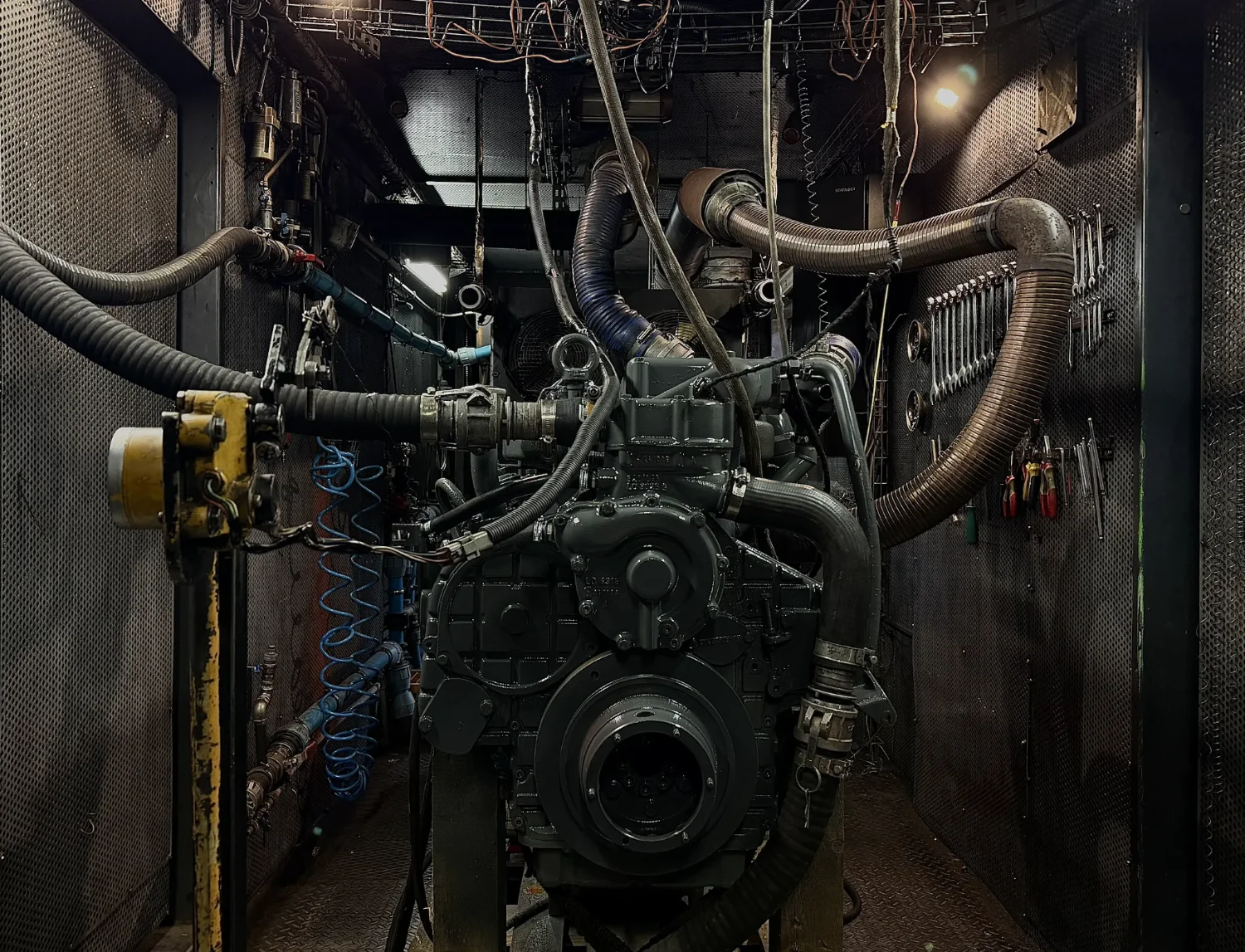
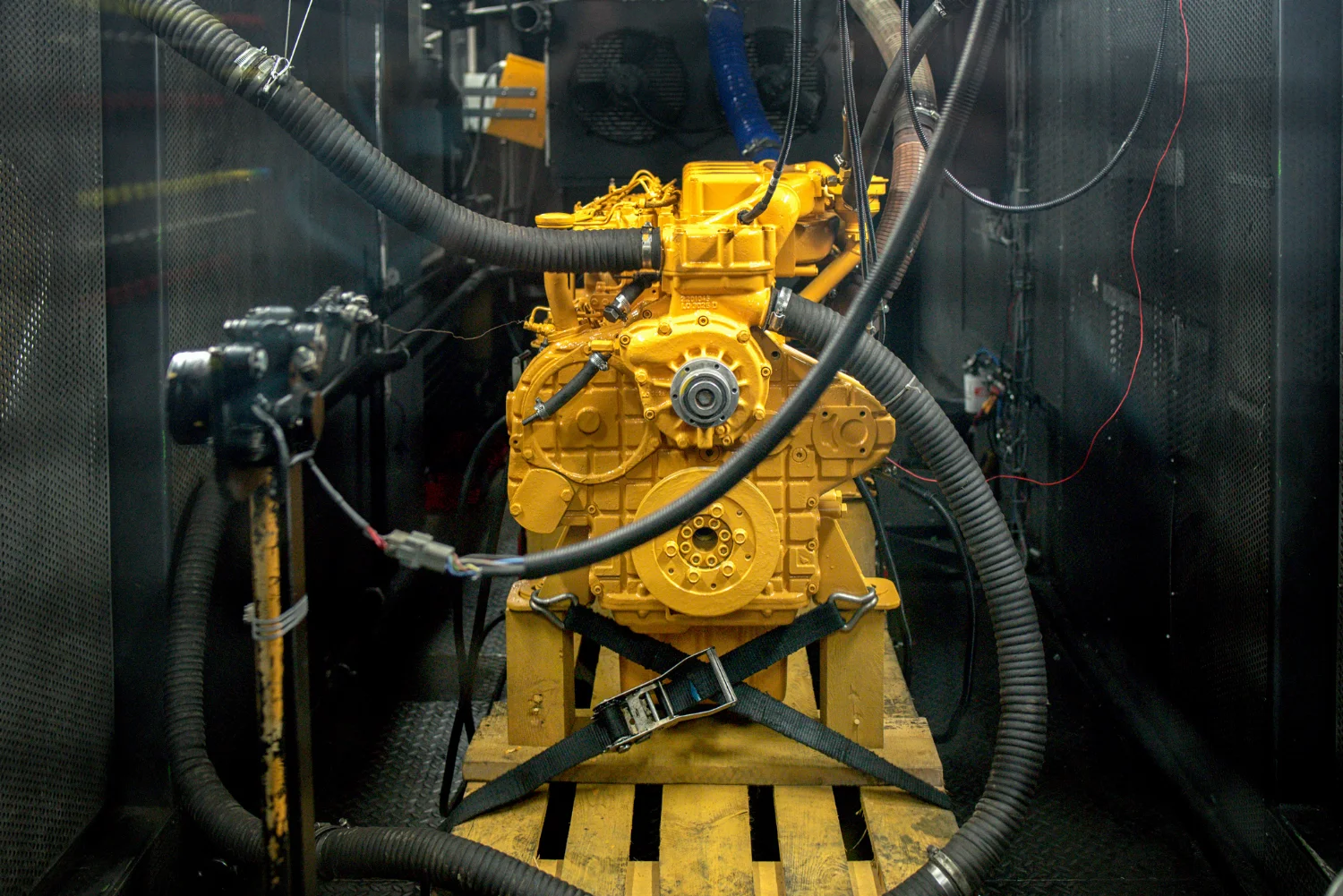
After an overhaul, we test the engine on a dynamometer, checking parameters such as oil pressure, operating temperature, and unit performance under load. This allows us to verify the correct operation of the engine before reinstallation and operation.
Did a low oil pressure alarm appear? Do not ignore the warning and do not restart the engine without determining the cause. Fast diagnostics help reduce the risk of major failure and costly machine downtime.