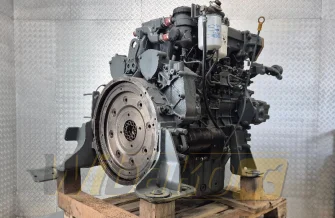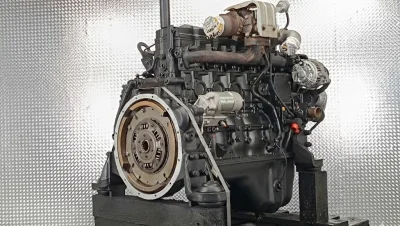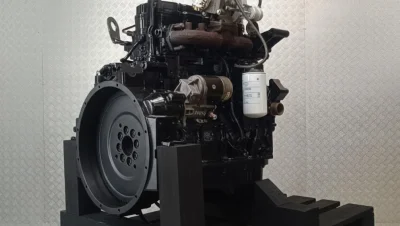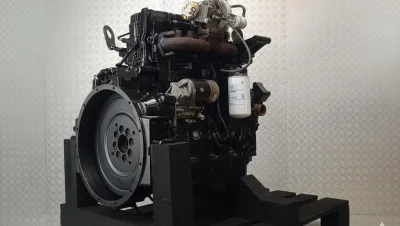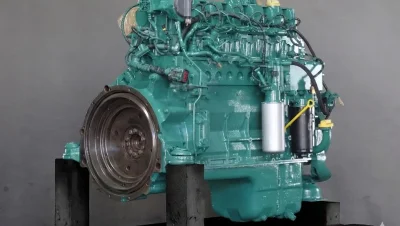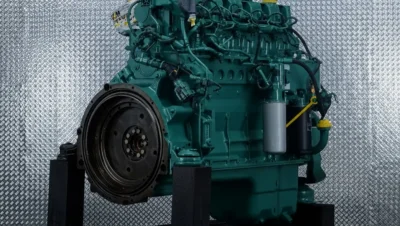


Overhaul of the Liebherr D934 A7 engine in the Liebherr LR 636 Litronic crawler loader
Comprehensive service of the Liebherr D934 A7 engine
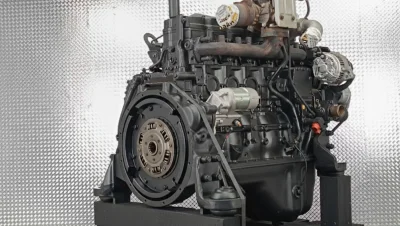
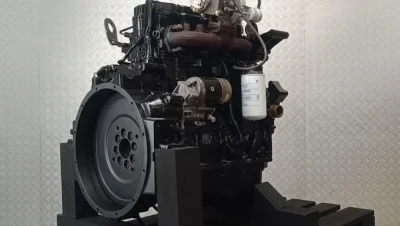
The Liebherr LR 636 Litronic crawler loader is a machine designed for intensive earthmoving, material loading, and operations conducted in challenging terrain conditions. Thanks to its hydrostatic drive and high breakout force, it finds applications in infrastructure construction sites as well as in mines, recycling plants, or municipal works. It is powered by a four-cylinder Liebherr D934 A7 engine with a displacement of 7 liters, equipped with a Common Rail system, turbocharger, and electronic engine management. This design is known for its high durability, but with many thousands of operating hours, it also requires a professional overhaul.
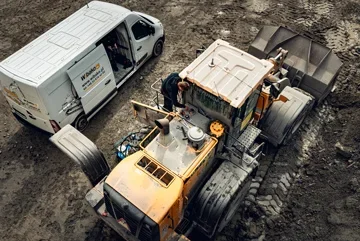
An engine removed from a loader operating near Kielce arrived at our service center. The operator reported a gradual loss of power, increased oil consumption, and heavy blue smoke when working under load. Initial diagnostics included a compression test, oil pressure analysis, and endoscopic inspection of the cylinders. The results indicated significant wear on the crank-piston system. Our mobile service dismantled the power unit using a crane provided by the customer, secured all the machine's installations, and transported the engine to our headquarters in Kojszówka.
Disassembly of the Liebherr D934 A7 engine
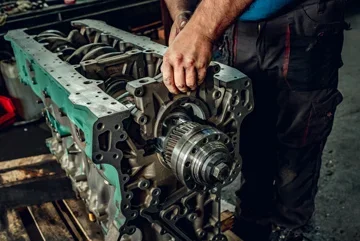
Disassembly began with disconnecting the electrical wiring, fuel lines, cooling system, hydraulic lines, and all engine components. The intake and exhaust systems were secured against contamination. After unscrewing the mounts, the engine was removed from the machine compartment using the customer's crane in accordance with the manufacturer's documentation. All components were labeled so that subsequent assembly could proceed without any risk of error.
Component verification
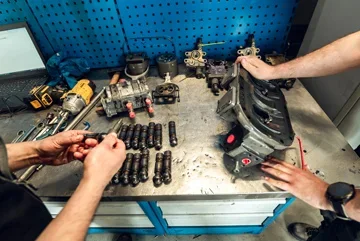
Upon delivery of the engine to the workshop, we performed a full verification. We started by checking the ability to rotate the crankshaft, and then the unit was completely disassembled. All components were cleaned and subjected to detailed measurements.
Significant wear on the cylinder liners, pistons, and piston rings was confirmed. Crankshaft verification included measuring the journals, inspecting the oil passages, and measuring runout. The connecting rods were checked for straightness, twist, and dimensions. The cylinder head underwent a leak test in a heated water bath, and the guides, valve seats, and valve condition were inspected. The turbocharger, Common Rail high-pressure pump, injectors, and all electrical accessories were also checked.
Engine remanufacturing and repair
The scope of the overhaul included a comprehensive rebuild of the power unit. The crankshaft was ground after a previous positive verification. New main and connecting rod bearings were installed, along with a complete set of new cylinder liners, pistons, and rings. Connecting rods were verified and prepared for reassembly.
The cylinder head was surfaced, and valve guides, valves, and seals were replaced. After completing the work, a leak test was performed. Injectors were tested on a test bench, and the high-pressure pump was checked for operational parameters. The turbocharger, starter, alternator, and other accessories were also verified.
During assembly, a set of new seals, bolts, and consumables was used. All connections were made in accordance with the tightening torques specified by the Liebherr engine manufacturer.
Test on the engine dynamometer
Every Liebherr D934 A7 engine overhauled by WIBAKO undergoes mandatory testing on an engine dynamometer before installation in the machine. This is one of the most important stages of the entire repair process, as it allows checking the actual operating parameters of the power unit before handing it over to the customer.
The engine was started on the dynamometer stand and ran for over 16 hours at a load of approximately 20-30% of the nominal value. During this time, coolant temperature, oil temperature, lubrication pressure, boost pressure, fuel system parameters, and the stability of the engine control unit were monitored.
After completing the break-in process, the load was increased up to working values. The unit's behavior during dynamic load changes was checked multiple times, the tightness of all systems was inspected, and exhaust emissions were analyzed. Thanks to the dynamometer, it was possible to detect even minor irregularities before installation in the loader. This solution significantly reduces the risk of having to remove the engine again and shortens the machine's downtime at the customer's site.
Upon completion of the tests, full documentation of the power unit's operating parameters was prepared, confirming the correct performance of the engine after the completed overhaul.
Engine installation in the Liebherr LR 636 Litronic loader
Following the successful completion of the tests, our mobile service proceeded to install the engine at the customer's site. The unit was re-seated into the machine frame using a crane provided by the owner. Subsequently, all fuel lines, electrical wiring, cooling system, intake, exhaust, and hydraulic components were installed.
Before the initial start-up, filters and operating fluids were replaced, the fuel system was bled, and a leak check of all connections was conducted. The first start-up took place in the presence of our mechanics and the machine operator. The engine's operating parameters, oil pressure, operating temperature, and the unit's response to load during work operations were verified. Following the successful completion of the tests, the installation protocol was signed.
Engine maintenance after overhaul
After the rebuild, the Liebherr D934 A7 engine was covered by a warranty. We recommend performing the first inspection after 50 hours of operation. During this visit, our mechanics replace filters, check the tightness of all connections, and inspect the operating parameters of the unit and the condition of the accessories. Subsequent inspections are carried out every 250 operating hours, but no less frequently than once every three months.
Machines equipped with the Liebherr D934 A7 engine
The Liebherr D934 A7 engine is used in many construction machines from the manufacturer Liebherr, including crawler loaders, crawler excavators, and bulldozers. Thanks to its high durability and high torque, the unit performs well during intensive use, but after many thousands of operating hours, it requires a professional overhaul performed in accordance with the manufacturer's technology. The technical data of this unit includes a four-cylinder Common Rail design with a displacement of 7.0 liters, turbocharging, and charge air cooling.
Summary
The comprehensive overhaul of the Liebherr D934 A7 engine carried out by WIBAKO allowed the full functionality of the Liebherr LR 636 Litronic crawler loader to be restored. The combination of thorough diagnostics, professional component remanufacturing, engine dynamometer testing, and correct installation guarantees safe and long-term operation of the machine. Our mobile service carries out disassembly and assembly of engines throughout Poland, transports units to Kojszówka, performs comprehensive overhauls, and provides subsequent service support.
Internal linking:
Liebherr engine overhaul
Liebherr crawler loader service
WIBAKO engine dynamometer
Mobile service for construction machinery
Overhaul of Liebherr D934 A7 engine for Liebherr LR 636 Litronic loader
Need a professional overhaul of a Liebherr D934 A7 engine or service for a Liebherr LR 636 Litronic crawler loader? Contact WIBAKO - we perform comprehensive repairs, engine dynamometer tests, as well as mobile engine disassembly and assembly.