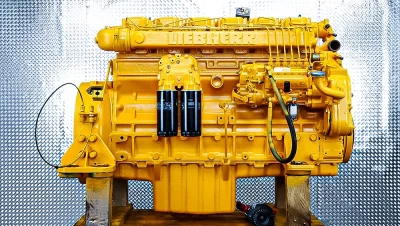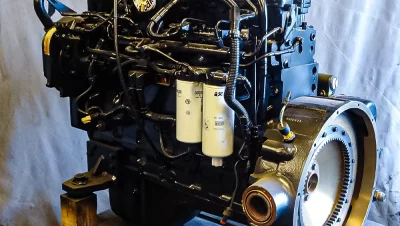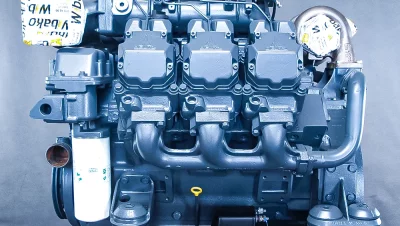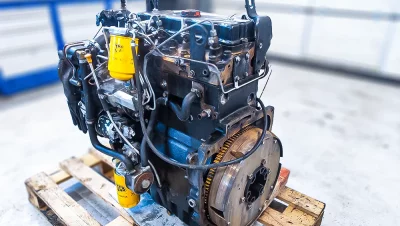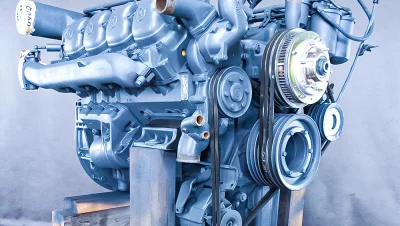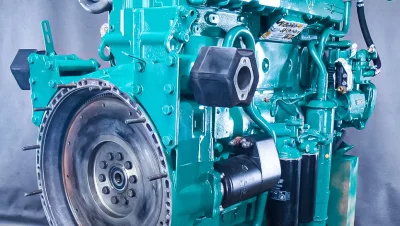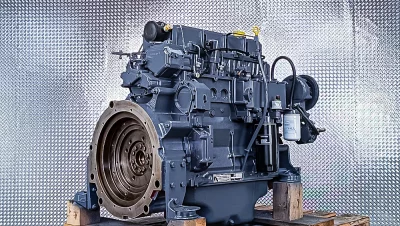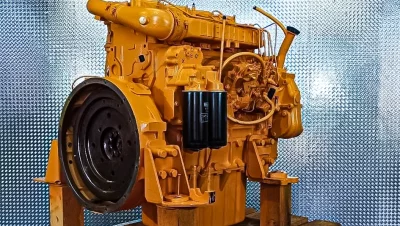


Volvo D12E Engine Overhaul in a Volvo L180F Wheel Loader
Comprehensive Service of the Volvo D12E Engine in a Volvo L180F Machine
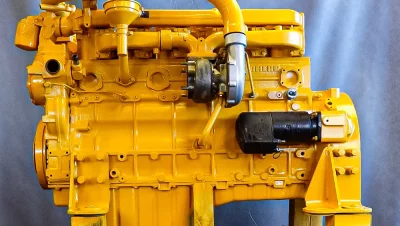
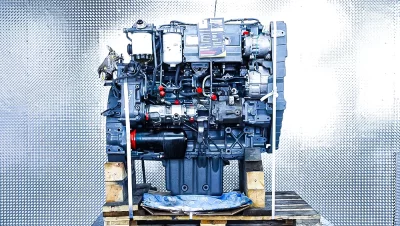
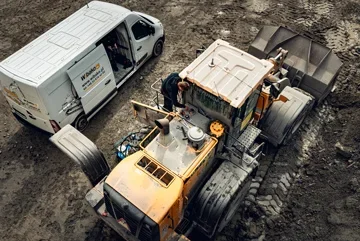
A Volvo D12E engine from a Volvo L180F wheel loader arrived at our service center. The removal of the power unit was carried out by our mobile service team near Kielce in the Świętokrzyskie Voivodeship. After conducting diagnostics at the customer's site, the engine was transported to our headquarters in Kojszówka, where we performed a complete inspection, overhaul, and testing on an engine dynamometer.
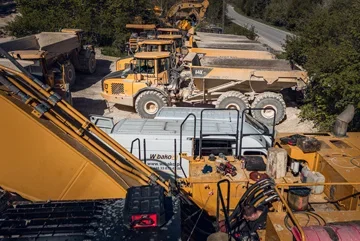
The Volvo L180F is one of the most recognizable wheel loaders used in aggregate quarries, recycling plants, bulk material yards, and large transshipment enterprises. The machine is characterized by high performance, an operating weight exceeding 26 tons, and high breakout force. Power is provided by a six-cylinder Volvo D12E engine with a displacement of approximately 12 liters and an output exceeding 230 kW. This design is valued for its durability, but at high operating hours, it requires professional rebuilding and remanufacturing. The specifications of the machine and the L180F model family confirm the use of Volvo D12 series units with a 12-liter displacement and a power output of approximately 235 kW.
The reason for the service request was increasing issues with engine oil consumption, a drop in power under load, and heavy exhaust smoke. The operator also noticed difficult starting after long periods of standstill. Initial diagnostics included compression pressure measurement, evaluation of operating parameters during material loading, and an endoscopic inspection of the cylinders. The results indicated significant wear of the cylinder-piston system. To confirm this, we performed a cylinder leakage test and an oil consumption analysis. The final decision to overhaul was made after detecting significant blow-by into the crankcase and uneven compression parameters.
Removal of the Volvo D12E Engine from the Volvo L180F Loader
We began the removal process at the machine's work site. The customer provided the crane necessary to safely lift out the power unit. Our mechanics secured the cooling system, intake system, fuel lines, and electrical installation. Subsequently, the components obstructing the removal of the engine from the machine compartment were disassembled.
Every hose, connector, and fastening element was properly labeled to ensure that subsequent reassembly would proceed in accordance with the manufacturer's service documentation. Special attention was paid to the hydraulic system and the engine's electronic control wiring. After disconnecting the clutch, mounting pads, and all installations, the Volvo D12E unit was removed from the machine and prepared for transport to the workshop.
Upon delivery of the engine to our headquarters, a detailed verification of all components began. Thanks to proper securing during transport, it was possible to preserve the completeness of the auxiliary equipment and carry out full diagnostics of the entire drivetrain.
Engine Verification in the Workshop
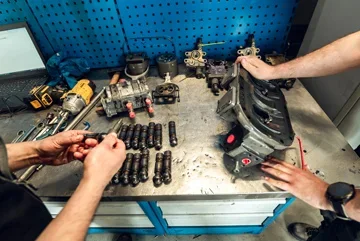
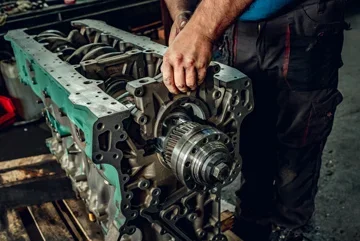
After accepting the unit into the workshop, we performed a crankshaft rotation test and detailed external inspections. Then, the engine was completely stripped down to individual components. All parts underwent technological washing and precise measurements.
The verification confirmed previous assumptions regarding significant wear of the cylinders, pistons, and piston rings. Traces of long-term operation and increased clearances between mating parts were visible. Additionally, wear on the main and connecting rod bearings was found.
We also carried out a full verification of the crankshaft, including journal measurement, oil passage checks, and shaft runout control. The connecting rods were inspected for geometry, twist, and bending. The condition of the camshaft, oil pump, and all components of the lubrication system was also assessed.
The engine cylinder head was disassembled and subjected to a leak test in a heated water bath. Valve guides, valve seats, and mating surfaces were checked. The inspection revealed the necessity of a full cylinder head remanufacturing.
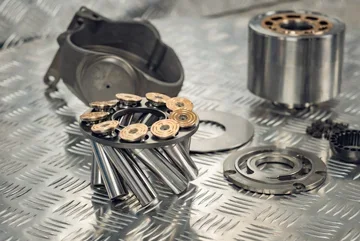
The turbocharger was also evaluated. Inspection of axial and radial clearances revealed wear of the rotating components, so the decision was made to remanufacture it. Additionally, the injection system and injector operating parameters were checked.
Remanufacturing and Repair of the Volvo D12E Engine
Crank-Piston System
The repair began with the remanufacturing of the crank-piston system. The crankshaft was ground and then equipped with new main and connecting rod bearings. New pistons, piston rings, and cylinder liners meeting the manufacturer's requirements were installed.
The connecting rods underwent a full geometry check and were prepared for further use. All components of the lubrication system were thoroughly cleaned to eliminate the risk of re-contamination.
Cylinder Head Remanufacturing
As part of the cylinder head remanufacturing, resurfacing of the mating face, replacement of valve guides, valves, and stem seals were performed. After completing the work, the head underwent a leak test again, confirming it was ready for further operation.
Fuel System
The fuel system was thoroughly checked. The injectors were tested for spray patterns and opening pressure. Components requiring repair were remanufacturing. This made it possible to restore the proper fuel combustion process.
Engine Auxiliaries
The turbocharger was sent for specialized remanufacturing. The alternator, starter motor, coolant pump, and electronic control components were also verified. All seals, service hoses, and elements showing signs of wear were replaced.
Professional Engine Assembly
After completing all remanufacturing processes, assembly of the power unit began. The reassembly was carried out in accordance with Volvo service documentation. Every element was installed keeping the appropriate tightening torques and control procedures.
During assembly, we paid special attention to the correct timing setup, maintaining assembly clearances, and the tightness of all systems. Each subassembly was additionally inspected by a second mechanic, which helps eliminate the risk of assembly errors.
Before the initial start-up, pre-lubrication of the oil system and a check of all connections were performed. Thanks to this, the engine was properly prepared for subsequent dynamometer testing.
Testing the Volvo D12E Engine on an Engine Dynamometer
One of the most important stages of the entire process was the test on our engine dynamometer. It is precisely the ability to conduct full load tests that constitutes one of WIBAKO's biggest advantages over many workshops performing diesel engine overhauls.
After completing assembly, the engine was mounted on a test bench equipped with an operating parameter monitoring system. First, we carried out the break-in process. The unit ran for over 16 hours at a load of approximately 20-30% of its nominal value. During this time, we monitored coolant temperature, oil temperature, lubrication pressure, combustion parameters, and operating stability across various RPM ranges.
Following the successful completion of the break-in stage, we began full-load tests. The engine repeatedly reached its maximum torque and power values. During testing, we checked the unit's response to sudden load changes, fuel system behavior, and thermal parameter stability.
The dynamometer also enables checking the tightness of all systems while operating under real load conditions. This makes it possible to detect even minor oil, fuel, or coolant leaks prior to installing the engine back into the machine. This helps minimize the risk of costly downtime once the machine is commissioned at the customer's site.
During the tests, we also performed exhaust gas analysis and opacity controls. The results obtained confirmed the proper operation of the fuel system and correct air-fuel mixture combustion. Upon concluding the tests, the engine was re-checked for leaks and prepared for transport.
By utilizing the dynamometer, the customer receives a power unit verified under conditions close to actual operation. This ensures a significantly higher level of security compared to standard overhauls performed without load testing. This is especially vital for machines like the Volvo L180F, which often operate for many hours a day under heavy loads.
Installing the Engine in the Volvo L180F Wheel Loader
Following the completion of testing, the engine was delivered to the customer. Installation was carried out by our mechanics using a crane provided by the machine owner. The process involved seating the unit in the engine compartment, installing all mounting points, and connecting the fuel, electrical, hydraulic, and cooling lines.
Considerable attention was devoted to inspecting the intake and cooling system piping. All connections were verified for leaks. Selected service hoses and filters requiring replacement after an overhaul were also changed.
After completing the installation, we carried out a series of control start-ups. Next, operational tests were conducted together with the operator, including material loading, driving under load, and hydraulic operations. Operating temperatures, pressures, and engine behavior across different RPM ranges were monitored.
Only after obtaining correct parameters and confirming the absence of leaks was the installation report drawn up. The machine was then handed over for further operation.
Engine Maintenance After Overhaul
Every engine after an overhaul is covered by a warranty and the possibility of further service by WIBAKO. We recommend performing the first inspection after 50 operating hours. During this visit, our mechanics replace filters, control the tightness of all systems, and check the connections between the engine and the machine's other components.
We recommend performing subsequent inspections every 250 operating hours, but no less frequently than once every three months. Regular maintenance ensures the high reliability of the Volvo D12E unit for many years of operation to come.
Machines Utilizing the Volvo D12E Engine
Engines from the Volvo D12 family were used not only in Volvo L180F wheel loaders. These units can also be found in other large wheel loaders, material handlers, selected articulated haulers, and specialized industrial machines from Volvo. The six-cylinder design with a displacement of around 12 liters was one of the core engines used by the manufacturer for years.
Summary
The completed Volvo D12E engine overhaul successfully restored the Volvo L180F wheel loader to full operational efficiency. The scope of work encompassed diagnostics, removal, comprehensive verification, component remanufacturing, rebuilding of the crank-piston system, cylinder head repair, fuel system control, engine dynamometer testing, and professional installation into the machine.
Thanks to the application of proven service procedures and the use of the engine dynamometer, the customer received a unit ready for years of service. After 50 operating hours, our technicians will perform the initial inspection to confirm the proper functioning of all systems.
Related topics for internal linking:
Volvo engine overhauls for construction machinery
Mobile service for construction machinery
Volvo D12E engine overhaul
Do you need a Volvo D12E engine overhaul or service for a Volvo L180F wheel loader? WIBAKO performs comprehensive repairs, remanufacturing, and testing on a professional engine dynamometer.